
Review · FAVELA TOURS
A Walk in the Rocinha Favela: Women Leading the Way
A favela tour can be respectful and still fun. I love the moto-taxi intro, then the way a bilingual local guide turns everyday life into something you actually understand. One thing to consider: the route is real neighborhood movement, so expect narrow streets, uneven spots, and the need to dress for walking and weather.
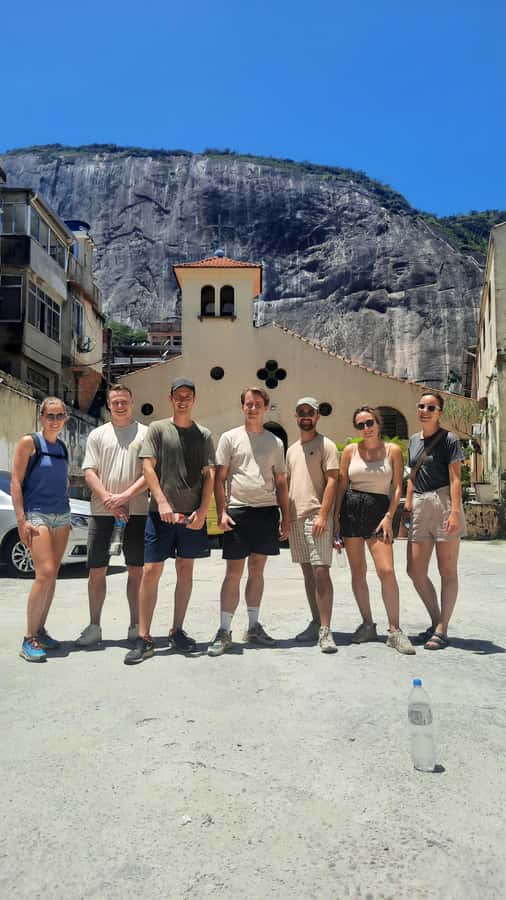
The women leading this tour matters. You’ll be in a small group (up to 10), with guides who grew up in Rocinha, and that changes the tone from sightseeing to community conversation. I especially like the safety support, including real-time location tracking by local associations, because it keeps the focus on learning, not worrying.
Key highlights to look forward to
- Small group format (max 10) that makes questions easy and the pace human.
- Women-led storytelling from guides connected to Rocinha, including guides like Malux and Gabriela.
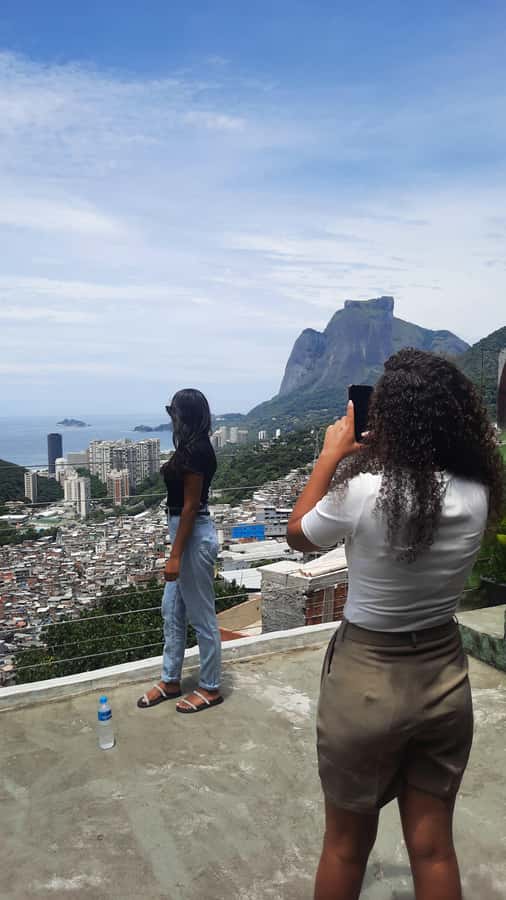
- Moto-taxi start through lively streets, with great photo angles over Rio.
- Street art, local shops, and a market stop that show the neighborhood beyond headlines.
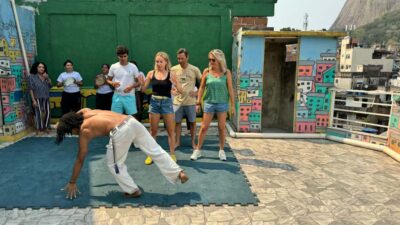
- Youth time plus dance or football, with homemade black coffee as a warm, local moment.
Women-leading Rocinha: what this tour really gives you
Rocinha is the largest favela in Rio, and that single fact can make your brain do strange things. You might picture something chaotic, or you might feel nervous before you even start. This tour is designed to swap that mental shortcut for something steadier: people, routine, resilience, and pride, explained by residents.
What I like most is how the tour treats Rocinha like a real place with real daily life. You are not sent through a checklist of murals and then dumped back on the street. Instead, you walk with a bilingual guide who can translate the meaning behind what you see. That includes stories about community history, local projects, and the way people create culture in tight spaces.
I also appreciate that the tour bakes in connection, not just observation. You get time with local youth, where you can learn dance steps or play football, plus stops that introduce daily essentials like shops and coffee. That turns your visit from viewing into participating for a short time, and it makes the whole experience feel more honest.
The possible drawback is simple. This is not a sit-and-stare museum tour. The streets are narrow, the terrain can be uneven, and the pace depends on the neighborhood flow. If you want flat, stroller-friendly walking, you may find this style tiring.
Where you meet and how you start: Av. Niemeyer to the first uphill moment
Most Rio visitor confusion starts with logistics. Here, the meeting point is listed as the subway Exit A near the Universal Church. The tour start point is also given as Av. Niemeyer, 780. Plan to arrive early so you can confirm the exact meet-up spot with the guide staff and join your group without stress.
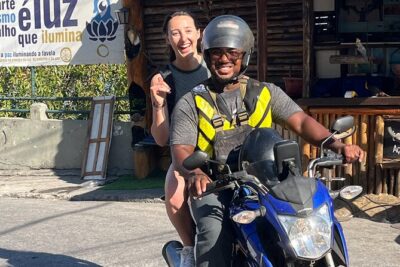
Then comes the part that people remember most: the moto-taxi ride through Rocinha to reach the first area you’ll explore. Even if you have done motorbike rides before, expect a moment of nerves. One guide’s description from the ride itself sums it up in a real way, like the slow build as the bike heads upward and you feel the movement in your stomach. It is part of the adventure, and the photo opportunities during the approach can be excellent.
Practical note: the tour data is split on moto-taxi cost. Your experience description says moto-taxi is included as part of starting the walk. Other details also mention a R$10 moto-taxi payment and recommend having cash. I suggest you show up with that cash just in case your departure needs it, because it is the easiest way to avoid a last-minute awkward moment.
The walking portion: street art, shops, and daily life you can actually see
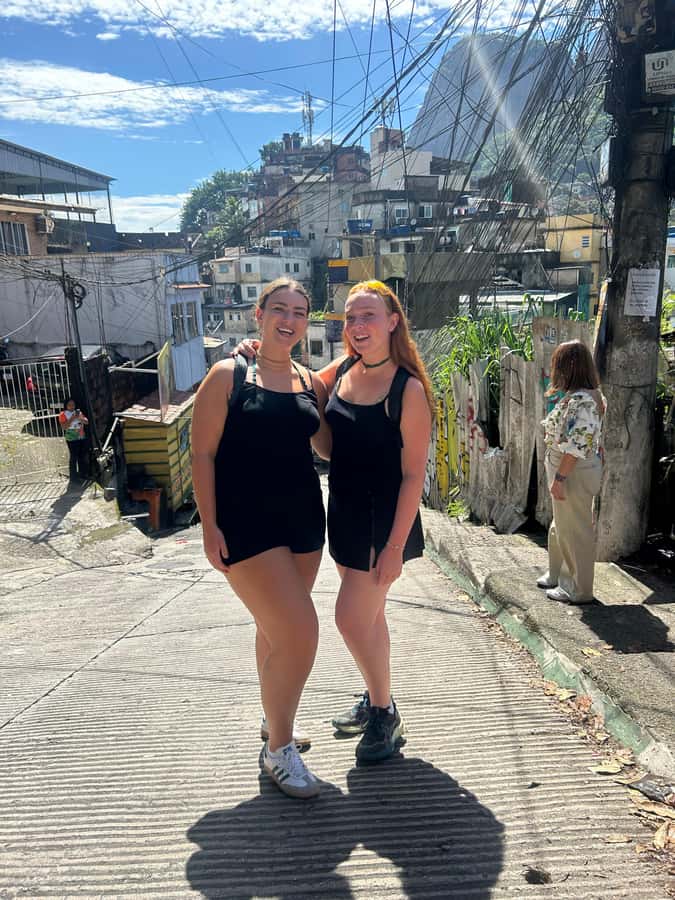
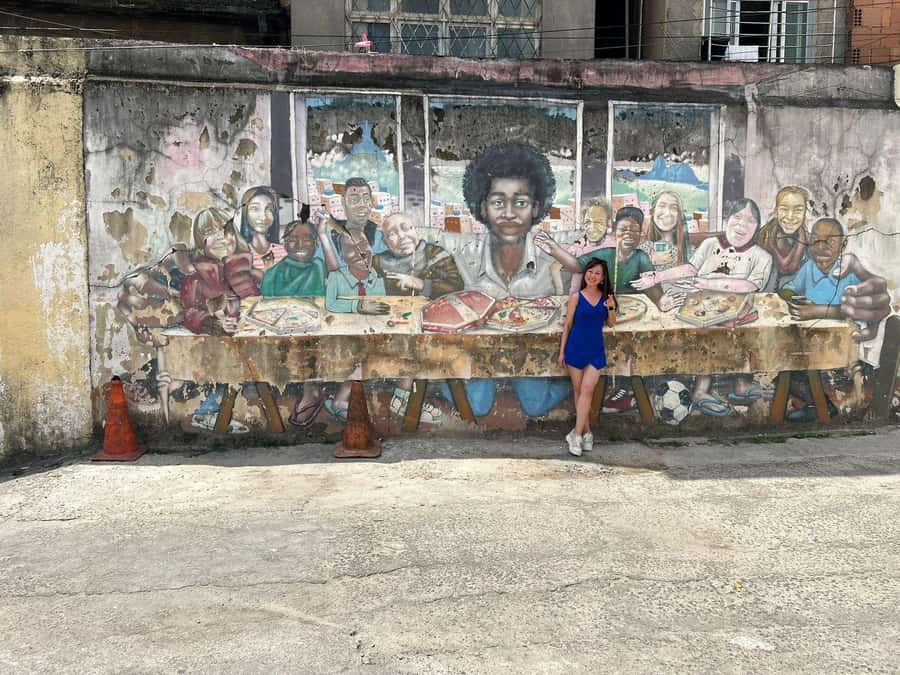
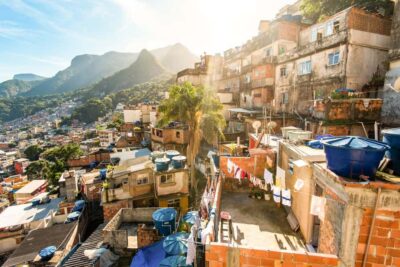
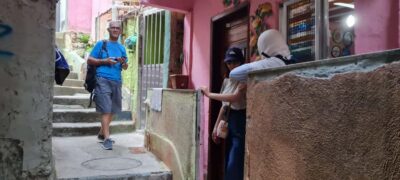
Once you reach the main walking area, the tour becomes a guided thread through Rocinha’s everyday rhythms. You’ll move through colorful streets with art and daily activity. Expect narrow alleys where shops sit close to homes, and where kids playing or people passing through make the scene feel alive in the most ordinary way.
The guide-led pacing matters. Stops aren’t random photo pauses. They are built around meaning. For example, you’ll have a first guided segment that combines a brief photo stop with a cultural explanation, then a longer stretch where you walk, hear more stories, and get a feel for how community life functions in dense spaces.
This is where women-led guidance adds value. Guides like Malux and Gabriela, who are connected to Rocinha, tend to explain what outsiders miss: where people go for everyday needs, how local projects support residents, and how community pride gets expressed through art. In one case, a guide joke about sports loyalties, like preferring Flamengo over Paris Saint Germain, ended up being more than a punchline. It reminded the group that residents have the same humor and passions as the rest of Rio, just in a different setting.
If you want the best photos, watch what the guide suggests rather than just shooting everything. The tour’s camera-friendly pacing means you usually stop long enough to frame the scene, then move on before the alley crowds your view.
Photo stops and views over Rio: when the height pays off
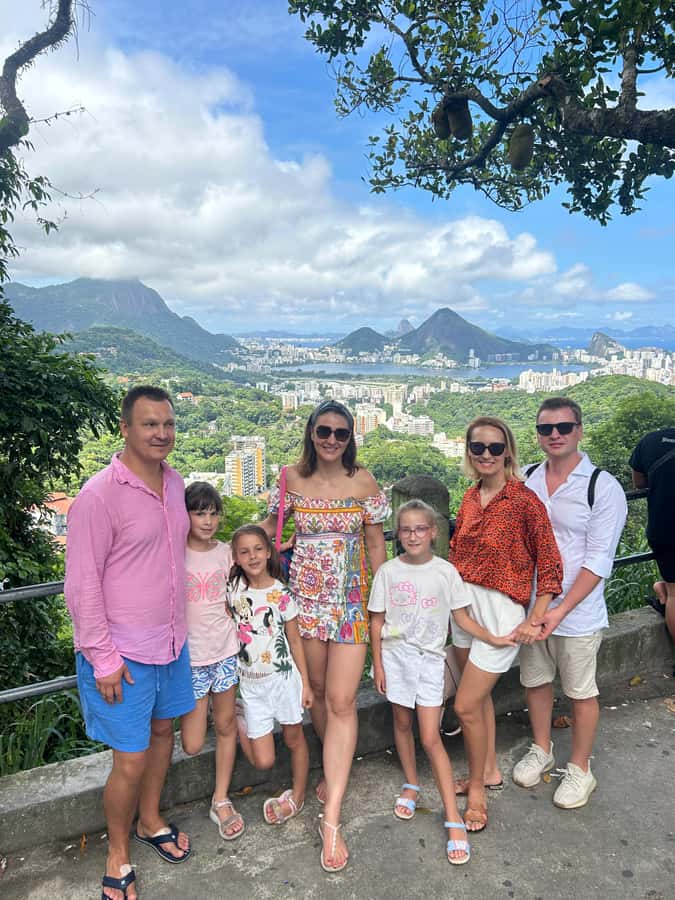
Rocinha sits close enough to Rio’s major icons that you get the sense of overlap. The tour takes advantage of that with viewpoint and photo stops. You’ll pause for pictures, then continue deeper on foot.
What makes these pauses valuable is context. A view is more than a postcard. With a guide talking, you can connect the physical layout to stories about the neighborhood, movement through the terrain, and how people live with elevation.
You also get variety in what you photograph: street scenes, street art, and people at everyday points. If you’re used to Rio tours that focus only on famous landscapes, this is the portion that changes your perspective. You see a piece of the city that is not meant for the usual skyline photo, and that is exactly the point.
Dance, football, and a homemade black coffee break
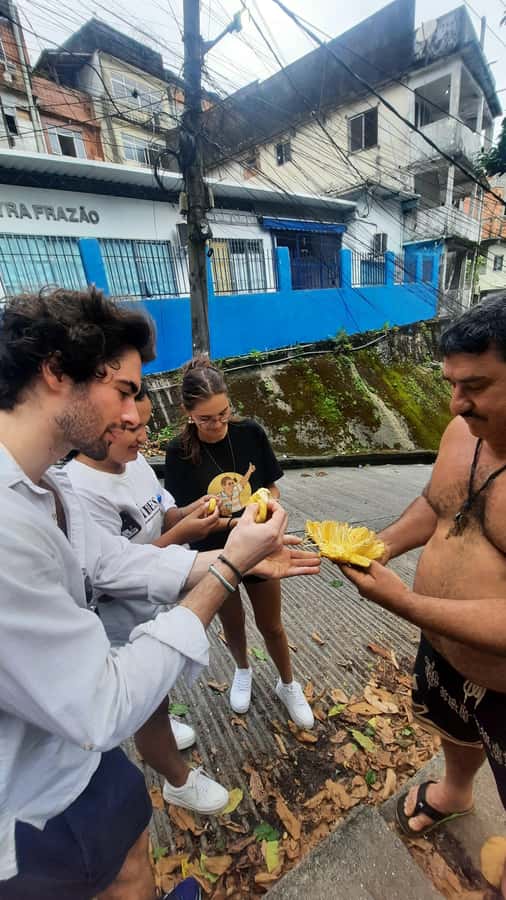
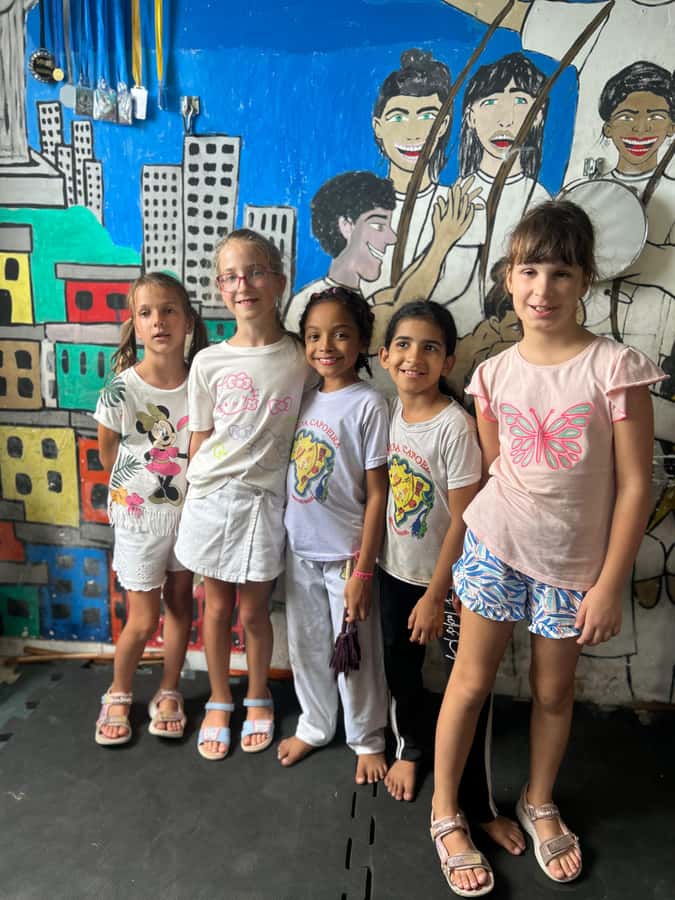
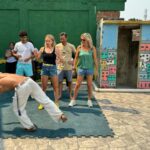
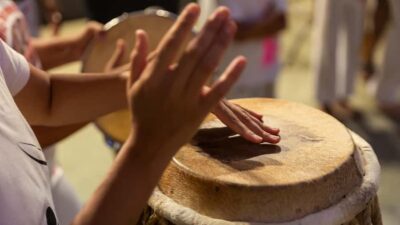
A standout moment in this tour is the interactive time with local youth. You may learn dance or join a football-style play moment depending on the flow that day. Either way, you’re not just watching. You’re invited to participate, even if only briefly.
This part can be surprisingly emotional for visitors who came in thinking the experience would be strictly informational. When someone from the neighborhood teaches you a few moves, it resets your mental model. It shifts the focus from stereotypes to shared humanity, and it makes the neighborhood feel like it has an atmosphere, not just buildings.
Right after or alongside that connection time, you’re offered homemade black coffee. That matters more than it sounds. Food and drink are often where cultural barriers drop. A small cup of coffee gives you a break from walking, a chance to talk without the pressure of taking photos, and a taste of local hospitality.
A practical tip: coffee and social time are also where the group rhythms settle. If you are someone who gets energized by activity, this section will feel like a highlight. If you are more reserved, it still gives you an easy way to participate without needing perfect language skills.
Social project visits, donations, and the public library option
This tour includes a visit to a social project, with donations welcome. That is one of the most meaningful parts of the experience, because it shows how residents build support systems from within the community.
The tour data also mentions a public library stop when open. If it is open on your day, you’ll have a chance to see how learning and access to resources fit into daily life. Even if the library isn’t open, your guide will still frame community projects in a way that helps you understand why education and local initiatives matter in Rocinha.
I like that the tour invites support without turning the visit into a charity performance. If you do want to donate, bring something modest and be ready to follow your guide’s instructions. If you don’t donate, you still get the educational context on what the project does and why it exists.
Arts and crafts market stop: practical shopping plus cultural detail
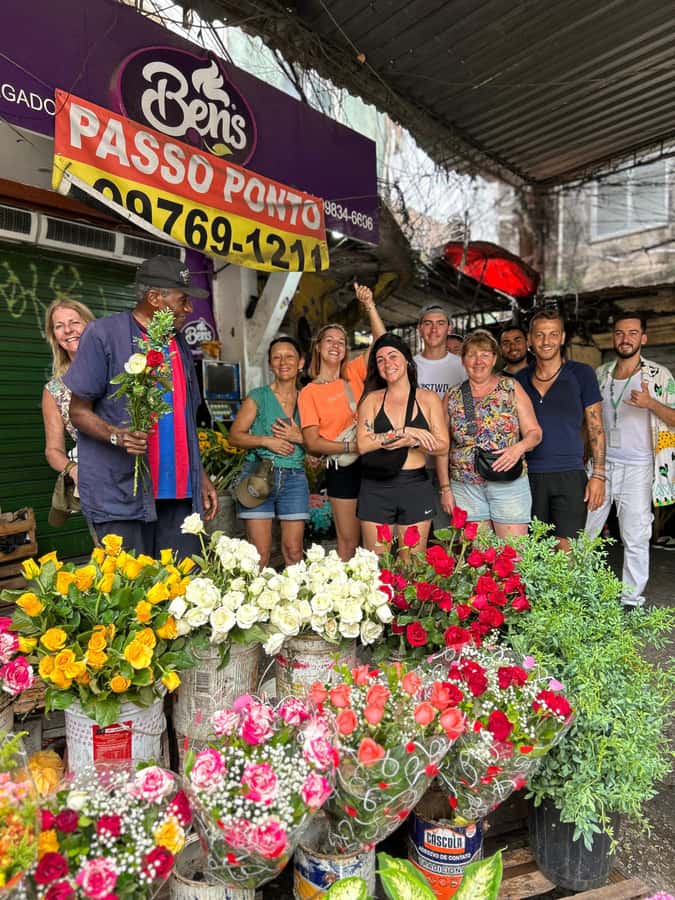
Near the end of the walk, you’ll visit a local arts and crafts market. This is one of those stops where tourists often overthink what to buy. The real value is time with makers and the chance to connect what you heard with something you can hold in your hands.
In addition, this tour emphasizes local shops and markets earlier too. That means the market stop doesn’t feel like a sudden shopping detour. It feels like part of the same story: work, creativity, and how residents sell and share their skills.
One useful detail: some shops and restaurants accept credit cards. Still, you should carry some cash for the moto-taxi and for any small purchases, since not every stall setup is the same.
Safety, pacing, and the reality of the neighborhood route
You should know what safety support looks like on this kind of walk. This tour includes real-time location tracking by the local guides’ association and the residents’ association, with additional support to help during the tour.
That doesn’t mean the neighborhood is a theme park. It means your guide has a system. And that matters when you are moving through areas with many variables, like foot traffic, weather shifts, and route changes.
Pacing is also guided by practical decisions. The itinerary includes restrooms along the way, which is a detail I appreciate because it keeps the experience comfortable and prevents you from rushing through important stops.
Weather is another real factor. The tour runs rain or shine, so dress for wet conditions if needed and wear shoes that handle uneven pavement. Light and comfortable clothes are the baseline. Bring a hat or cap, and insect repellent, because Rio conditions can surprise you.
Also, bring your camera. You’ll want it for street art, faces at street-level moments, and viewpoint shots over Rio.
Price and value: is $42 worth it?
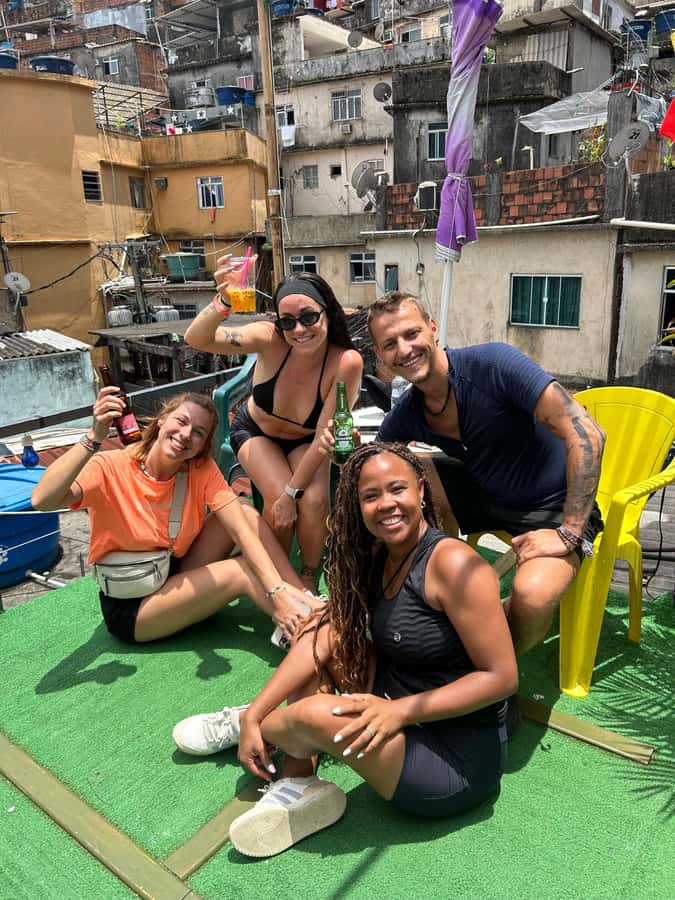
At $42 per person, this tour can look expensive if you compare it to a generic city walking tour. But you’re not paying for a generic script. You are paying for a resident bilingual guide, a small group format, moto-taxi transport to the start area (with possible R$10 cash handling depending on your booking), and a structured walk that includes interactive time, coffee, and visits to projects and markets.
The value also comes from risk management. Real-time tracking and restroom planning reduce stress. That is worth money, because comfort directly affects how much you absorb.
In other words, you are buying a guided introduction to Rocinha that tries to be respectful, safe, and relational. If that sounds like your travel style, the price makes sense. If you only want a quick photo loop with zero conversation, you may feel you paid for more interaction than you wanted.
Who this tour suits best
This experience fits best if you want Rio that goes beyond the usual viewpoints. It is especially good for:
- Travelers who like small groups and real conversation
- People who enjoy street art and neighborhood storytelling
- Solo travelers who want a guided connection and easy questions
- Couples or friends who want shared moments, like dance time and coffee breaks
It may be less ideal if you want a fully controlled, low-movement itinerary, or if you struggle with walking uneven streets in the heat or rain.
Should you book this Rocinha walk with women leading the way?
Yes, I think you should book it if you want a Rocinha experience that stays human and grounded. The small group format, bilingual resident guides like Malux and Gabriela, and the mix of street art, viewpoint pauses, youth connection, and coffee make this more than a surface tour.
But book with the right expectations. This is a neighborhood walk, not a staged performance. Wear good shoes, bring a camera, and carry a little cash for the moto-taxi payment mentioned in the tour details. If you do that, you’ll get the kind of Rio memory that sticks, the one that changes how you see a city.
FAQ
How long is the Rocinha walking tour?
The tour is described as about 2 hours, and the walking portion is also described as lasting around 2 hours 30 minutes, including the ride and stops.
Where do I meet the tour guide?
The meeting point is Exit A of the subway near the Universal Church. The starting location is listed as Av. Niemeyer, 780.
What language will the guide speak?
The guide is bilingual and offers English, Portuguese, and Spanish.
Is the moto-taxi ride included?
The experience description says moto-taxi to the first stop is included. Other tour details mention a R$10 moto-taxi cost and suggest bringing cash, so have a little cash available just in case.
What stops are included during the walk?
You’ll have photo stops and guided walking, time at local shops and markets, a social project visit (donations welcome), and you may visit the public library if it is open.
Do I need to pay for food?
Food and drink are not included.
What should I bring?
Bring a camera, light and comfortable clothes, a hat or cap, and insect repellent. The tour also suggests cash for the moto-taxi payment.
Does the tour run in bad weather?
Yes, it runs rain or shine, so dress appropriately for the conditions.
More Tour Reviews in Rio De Janeiro






More of Rocinha


Other Hills, Other Guides

Favela Tours, compared.
 ★ 4.8Rocinha Favela Walking Tour with Local GuideFrom $363,052 reviews
 ★ 4.7Rio De Janeiro: Half-Day Rocinha Favela Walking TourFrom $352,272 reviews
 ★ 4.9Favela Santa Marta Top Tour with Local GuideFrom $28488 reviews
 ★ 4.6Favela Santa Marta Tour with Resident GuideFrom $27220 reviews
 ★ 4.7Rio: Favela Rocinha Tour with Local Guide & Secret SpotsFrom $43218 reviews
 ★ 4.5Vidigal Favela Tour and Two Brothers HikeFrom $88121 reviews
 ★ 4.5Favela Tour The Original, Rocinha & Vila Canoas since 1992From $33113 reviews
 ★ 5.02h30 circuit in the Vidigal FavelaFrom $5088 reviews
Also filed under