
Review · RIO DE JANEIRO TOURS
Pantanal of Rio de Janeiro
Rio turns wild in the middle of the city.
This Pantanal of Rio de Janeiro tour is a simple, boat-based nature break where you look for caimans and capybaras while cruising the islands, with great sightlines toward Pedra da Gávea. I also like the feel of being on the water, then stepping onto an island walkway that’s far less “Rio postcard” and more real river life. One heads-up: the trip has a separate boat payment to the captain (R$ 60 cash), so the final cost can sting a bit if you hate add-ons.
You’ll meet at the Jardim Oceanico subway station (exit A) and spend about 3 hours moving through mangrove and river scenery. Some departures also add a stop near Barra da Tijuca beach, which can be fun if you want sand time, but it means your wildlife window is shorter.
Key things to know before you go
- Gigóia Island is the main stop, and it’s the largest island in the archipelago route.
- Caimans and capybaras are the big targets, plus you may spot other animals of the region.
- The tour is boat-first, with the nature viewing happening from the water and around the islands.
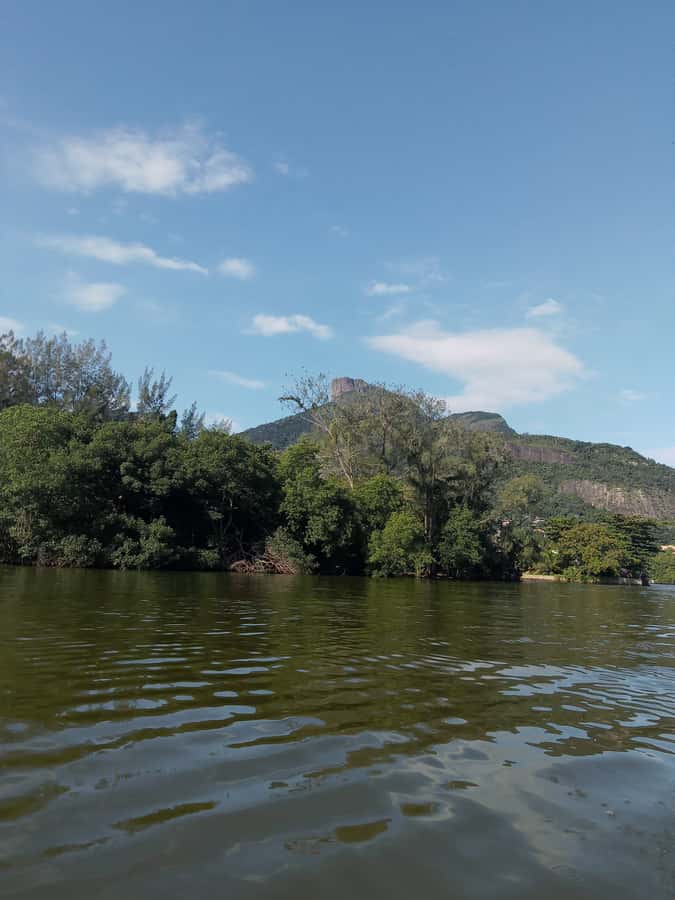
- Pedra da Gávea is part of the view package, linking Rio’s famous rock to quieter river scenes.
- Barra da Tijuca beach is optional, so decide whether you want wildlife time or beach time.
- The captain’s boat payment is separate, R$ 60 cash, and card payments include a 5% tax.
From Jardim Oceanico to the islands in about 3 hours

This is a well-timed outing for people who want something different without losing half a day. Your meeting point is in front of the Jardim Oceanico subway station, exit A, which is helpful because you are not trying to play “where exactly is the dock?” on your own.
Once you’re set, you get straight into the rhythm of a boat tour. Expect time moving between islands and then a walk on Gigóia Island, the largest island in the group. The whole experience runs around 3 hours, which is long enough to feel like an actual trip into Rio’s watery side, but short enough to still fit into a busy itinerary.
The biggest practical takeaway: plan your day so you’re not racing afterward. You may want a proper meal after the tour, and a short ride back to the metro is usually part of the plan. If you’re the kind of traveler who likes to land, do one good thing, and then wander on your own, this timing is your friend.
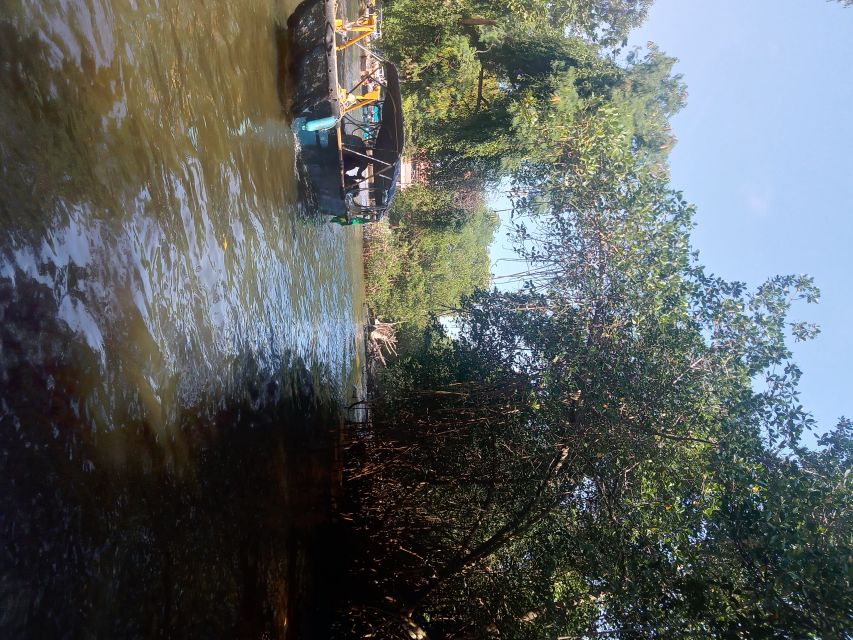
Boat ride through the archipelago, where you look for caimans
The signature of the Pantanal of Rio de Janeiro is the boat route through the archipelago islands. This matters because wildlife spotting from a boat is different from a zoo. You’re moving slowly through river conditions where animals live along the edges, and the guide can point out what to watch for.
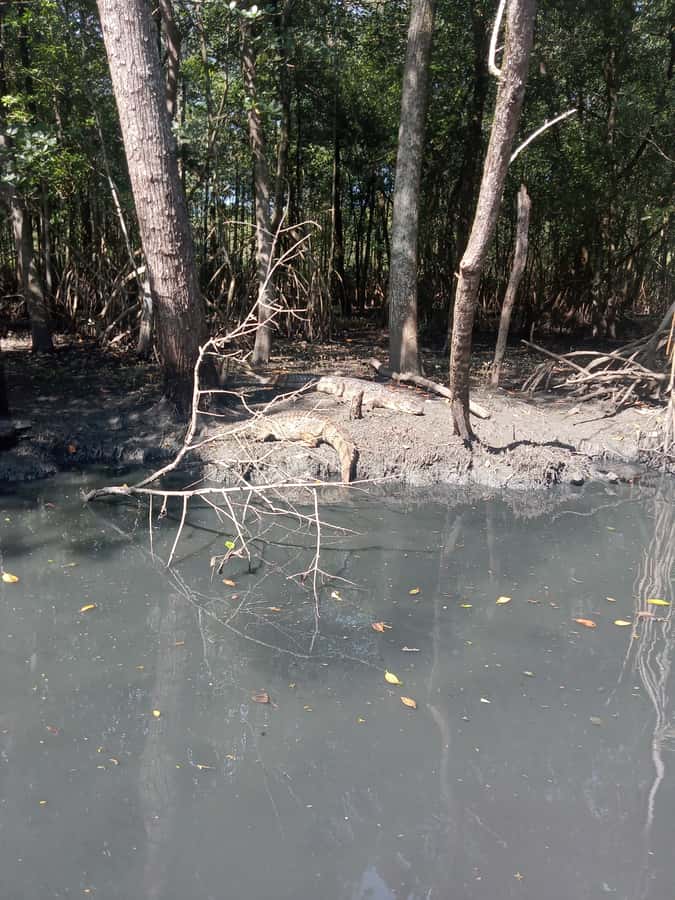
Caimans and capybaras are the key animals mentioned for this outing, along with other animals of the region. Even if you do not get a perfect “everyone sees everything” moment, you still get what you paid for: a real immersion into water-and-mangrove life. The tour also frames the scenery toward Pedra da Gávea, so the views connect Rio’s famous geography to a quieter ecosystem feel.
One more practical point: because it’s a boat experience with nature conditions, dress like you’re going out on the water. If you run hot, bring light layers. If you run cold, bring a thin layer you can keep handy.
Gigóia Island walk: the part that feels most like a break from city noise
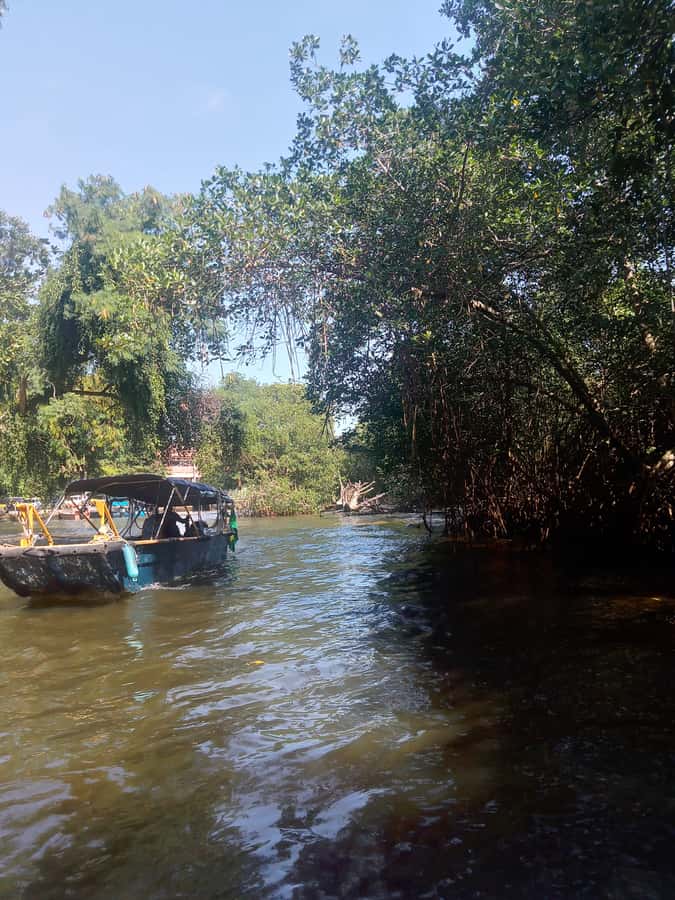
The walk on Gigóia Island is the moment the tour shifts from “watching from the water” to “stepping into island life.” Since it’s described as the largest of the islands on the route, it’s also the stop most likely to feel like a proper destination rather than just a quick pass.
What I like about this part is the contrast. You get Rio’s massive, iconic stone rock in the broader view context, but once you’re on the island, the attention turns to smaller, living details. You’re moving through island space where capybaras and other animals may be visible, and where the mangrove and river setting makes the whole thing feel less staged.
This is also the part that can give you the easiest “slow traveler” payoff. Take your time looking around, keep your phone away for a minute, and notice how the water and vegetation shape animal movement. If you’re a photographer, you’ll likely want to do quick bursts for shots, then return to watching.
Pedra da Gávea views, river plus mangrove in one outing
A lot of Rio experiences either chase city icons or chase nature separately. This one links them. The tour description highlights an overlook toward Pedra da Gávea, and it’s combined with river, mangrove, and animal viewing, plus the mention of the large stones associated with Rio’s geography.
That combination is valuable because it teaches you something simple: Rio is not only about skyline and beaches. It also has edges, waterways, and ecosystems running alongside the city. Even in a short trip, that context makes your bigger Rio stay feel more complete.
From a practical angle, these viewpoints also help with pacing. On a wildlife outing, waiting and scanning can be tiring. Having scenery anchor moments helps you reset. If you’re the type who gets restless without a clear “what am I supposed to look at,” you’ll appreciate that the guide is not only scanning for animals, but also guiding you through the geography.
The optional Barra da Tijuca beach stop, and when to choose it
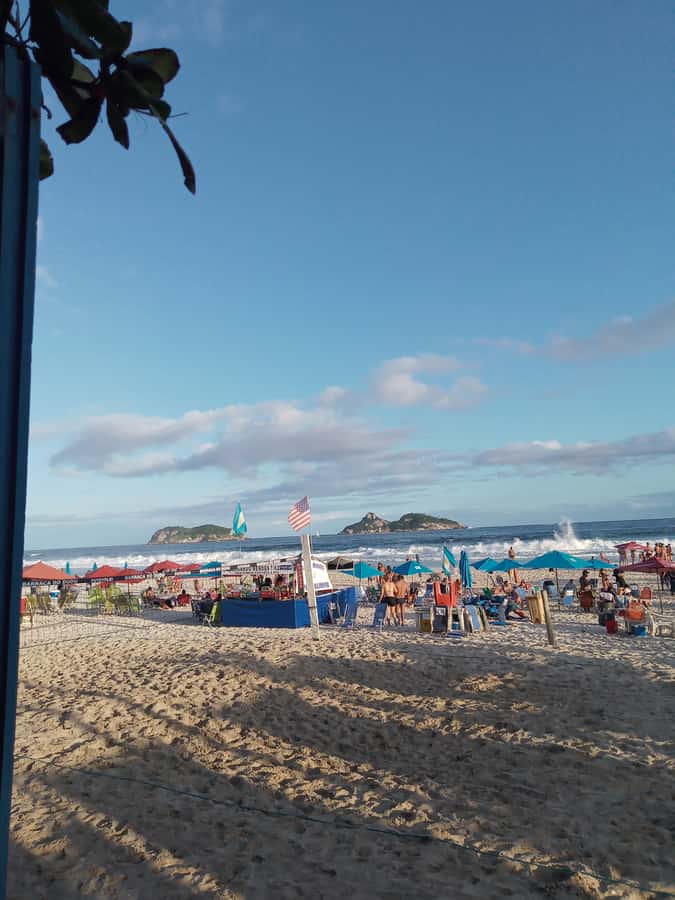
The tour includes an optional visit to Barra da Tijuca beach. This is a nice add if you like beach time and you’re okay with a trade-off.
Here’s how to think about it: since the entire tour is about 3 hours, any extra stop has a cost. If you care most about seeing animals and want maximum time on the water and at Gigóia Island, you can treat Barra da Tijuca as a “maybe next trip” choice. If you want an easy Rio day finish, then adding a beach moment can round out the outing nicely.
I also like that this is optional in the first place. It lets you tailor the day to your interests rather than forcing everyone to do the same thing.
Price and what you actually pay (the R$ 60 boat detail)
The tour price shown is $32 per person, and the big value question is what it includes versus what’s extra on the day.
Here’s the key detail you need before you decide: the boat payment is made directly to the captain. The amount listed is R$ 60 by cash. If you pay by credit or debit card, it includes an extra 5% tax.
So how do you judge value? Look at the format:
- You’re paying for a short, organized boat route through the archipelago.
- You get a trilingual guide and island access.
- The wildlife focus is the main attraction, especially caimans and capybaras.
If you’re comfortable doing small cash logistics and you value the animal-spotting element, the price can feel reasonable for the time you get on the water. If you prefer everything to be fully bundled and hate day-of extras, then this is the one part that might disappoint you. One review also flagged it as overpriced, which fits with this exact “add-on” reality.
My practical advice: decide in advance how you’ll pay that R$ 60. Bring cash if you can. It removes one stress point.
Your guide: trilingual help and the tone of the walk
This tour includes an accredited trilingual guide, with live tour guiding in English, Portuguese, and Spanish. That matters more than it sounds, because wildlife and mangrove environments are not obvious. A good guide helps you spot details and understand what you’re seeing.
One guide name that comes up is Ione. In one account, Ione was described as very kind, with strong Spanish and explanations that did not feel rushed. That tells you what to look for in the experience: not just animals, but also the why behind the scenery and what you should watch for.
Another review highlighted that the guide spoke perfect English and knew a lot about the area. That’s the kind of guidance you want on a short tour, because you only get so many chances to see animals, and the guide’s interpretation can make sightings feel more meaningful.
If you’re picky about communication, this is a strong point. Even if you only catch a few key phrases, trilingual guidance reduces confusion, and it keeps the experience relaxing instead of chaotic.
Who this Pantanal of Rio de Janeiro tour fits best
This outing fits travelers who want a nature shift without leaving Rio for hours. It’s especially suited to:
- People who like wildlife viewing that is close to real habitat, not “one big building.”
- Travelers who want something less common than the usual city sights.
- Anyone who enjoys being on the water, and not just standing in one place.
- Short-itinerary planners who want a 3-hour experience with clear focus.
It’s less ideal if you mainly came for a long, all-day safari-style adventure. This is a focused boat-plus-island tour, not a full wilderness expedition. Also, if you are very price-sensitive, pay attention to the separate boat payment and card fee.
If you want a balanced day in Rio, this can be the “reset” that makes your other plans feel more interesting.
Should you book this Pantanal of Rio de Janeiro boat tour?
I think this is worth booking if two things are true for you: you want a different side of Rio, and you’re excited by the idea of spotting caimans and capybaras from a boat route. The combination of river, mangrove, and Pedra da Gávea views is a smart way to get variety in a short time.
I would skip it or reconsider if you dislike day-of add-ons and you hate the idea of paying the captain separately (R$ 60 cash, plus 5% tax by card). Also, if beach time is your top priority, make sure you’re okay with the fact that the Barra da Tijuca stop is optional and uses part of your limited tour time.
If you go with the right expectations, this is a fun, outdoorsy Rio detour that feels more like real habitat than a checklist stop.
FAQ
Where is the meeting point for the Pantanal of Rio de Janeiro tour?
You meet in front of the Jardim Oceanico subway station, exit A.
How long is the tour?
The duration is 3 hours.
What languages are the guides?
The live tour guide is available in English, Portuguese, and Spanish.
What animals might I see during the tour?
The tour focuses on seeing caimans, capybaras, and other animals of the region.
Which island is the largest stop?
Gigóia Island is the largest island visited on the boat route.
Is Barra da Tijuca beach included?
Barra da Tijuca beach is optional.
How do I pay for the boat to the captain?
The payment is made directly to the captain in the amount of R$ 60 by cash. Credit or debit card payment includes an extra 5% tax.
Can I cancel the tour for a refund?
Yes. You can cancel up to 24 hours in advance for a full refund.
More Tour Reviews in Rio De Janeiro





Rio de Janeiro Tours, compared.
 ★ 4.46-Stop Highlights of Rio with LunchFrom $1305,157 reviews
 ★ 4.8Rocinha Favela Walking Tour with Local GuideFrom $363,052 reviews
 ★ 4.6Sugarloaf Cable Car Official TicketFrom $462,873 reviews
 ★ 4.5Rio: Christ the Redeemer, Sugarloaf, Selaron & BBQ LunchFrom $692,428 reviews
 ★ 4.7Rio De Janeiro: Half-Day Rocinha Favela Walking TourFrom $352,272 reviews
 ★ 4.6Angra dos Reis and Ilha Grande Full-Day TourFrom $771,673 reviews
 ★ 4.9Beginner Samba Lesson in IpanemaFrom $251,071 reviews
 ★ 4.8Sunset Sailing TourFrom $75994 reviews