
Review · PEDRA DO TELéGRAFO TOURS
Pedra do Telégrafo Rio de Janeiro + Transfer
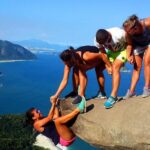
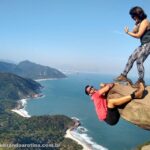
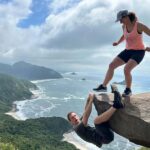
One hike, two jaw-dropping viewpoints. Pedra do Telégrafo is a guided trek that mixes Atlantic Forest nature with major lookout panoramas. I love the chance to spot monkeys, birds, butterflies, insects, and sometimes snakes like the Cobra Cipó. I also love the two lookout stops that frame the Restinga de Marambaia area in a way Rio can rarely do from street level. One consideration, there’s a local professional photographer at the end who charges separately, and photo time can stretch the moment.
Getting there is simple, since you can be picked up in Copacabana or Barra da Tijuca and transported to the trail area. After the hike, you’ll go to a beach of your choice, as long as it can be accessed without more trails. Food is not included, and beach time is something you plan on your own.
The guide experience is a highlight, and I noticed how much care shows up in how Dudu works. He’s friendly, explains what you’re seeing, and has a knack for timing photos when conditions shift. Expect the hike to be steady, so good shoes and a basic walking mindset matter.
Key highlights worth the effort
- Two lookout stops at Restinga de Marambaia for big, recognizable Rio views
- Atlantic Forest wildlife spotting that makes the walk feel like more than a photo stop
- Wide ending panorama across wild beaches and spots like Grumari, Recreio, Reserva, and Barra da Tijuca
- Optional pro photo service at the end if you want help with the best shots
- Hotel-to-trail transfers included plus pickup options in Copacabana and Barra da Tijuca
- A beach follow-up of your choice after the hike, as long as it’s reachable without trails
Pedra do Telégrafo viewpoints: what you’ll see above Rio
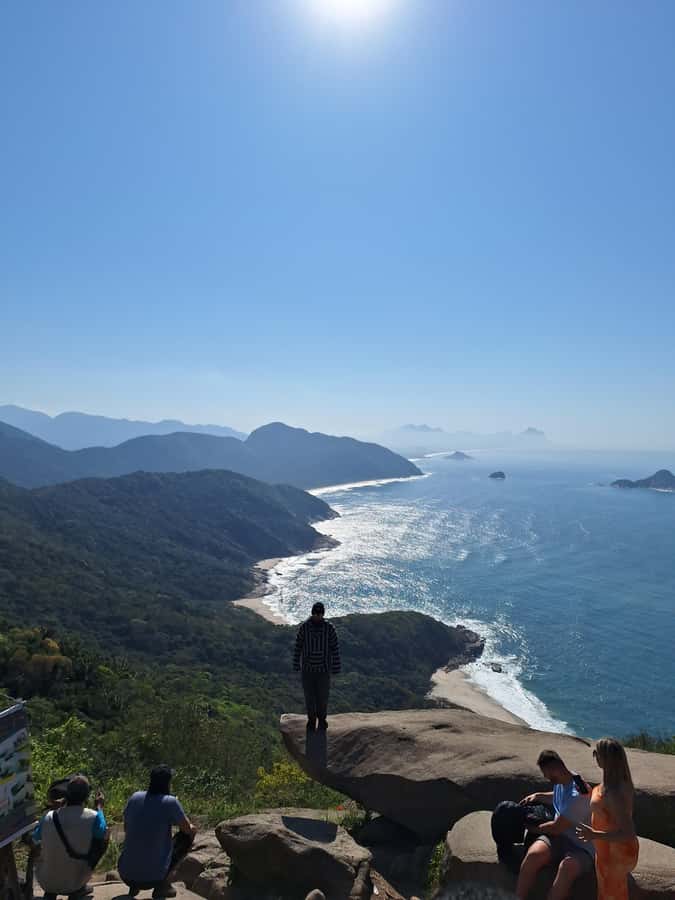
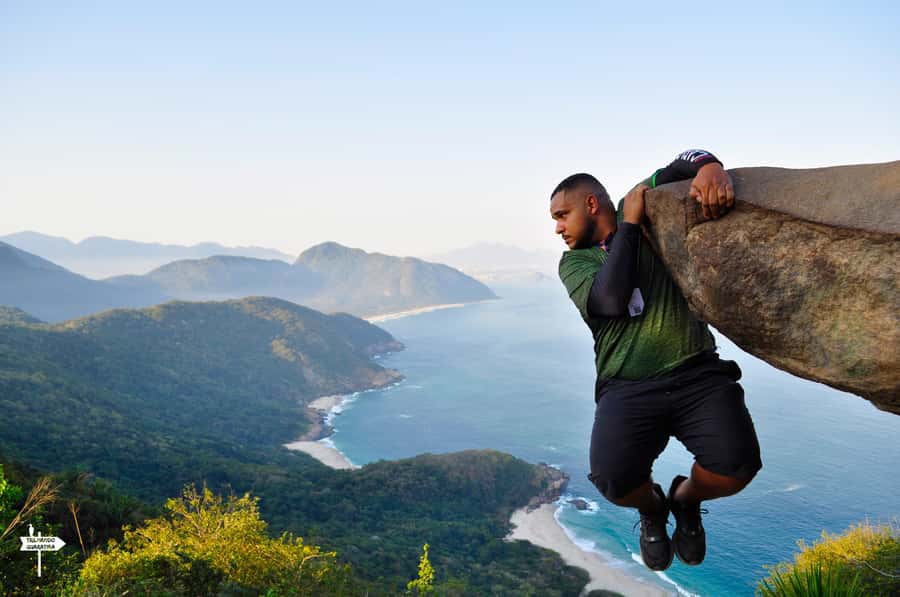
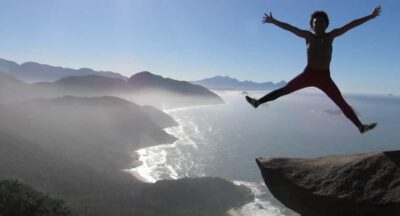
The whole point of Pedra do Telégrafo is getting up high enough to make Rio feel, for a moment, like it’s all one big view. From the trail, you’ll work through Atlantic Forest cover, then you’ll break out into lookout moments that show how the coastline folds into beaches and headlands.
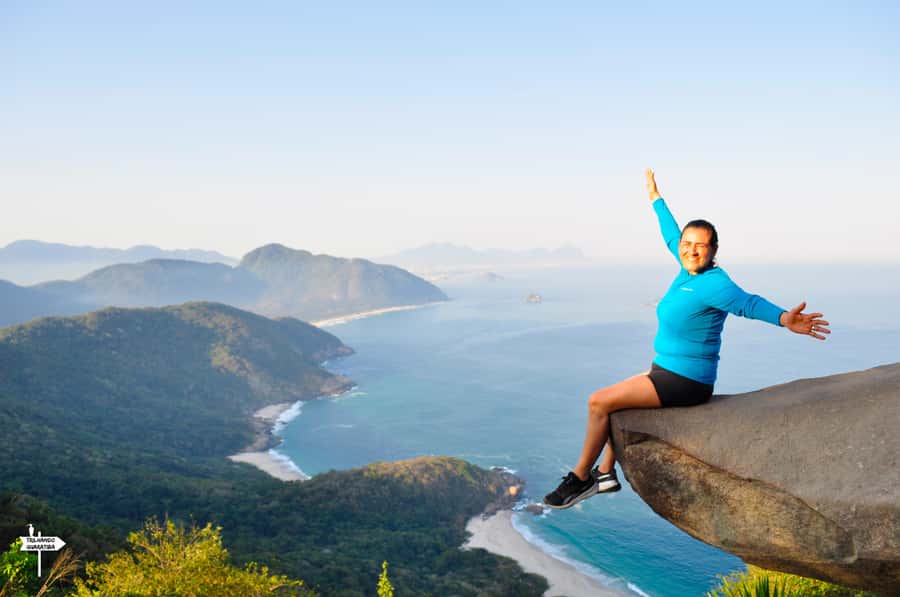
You’ll also get that rare mix of wild and iconic. The end of the hike opens to wild beach scenery plus named Rio areas such as Grumari, Recreio, Reserva, and Barra da Tijuca. And on the far side, you can see rock landmarks like Pedra do Pontal and Pedra da Gávea.
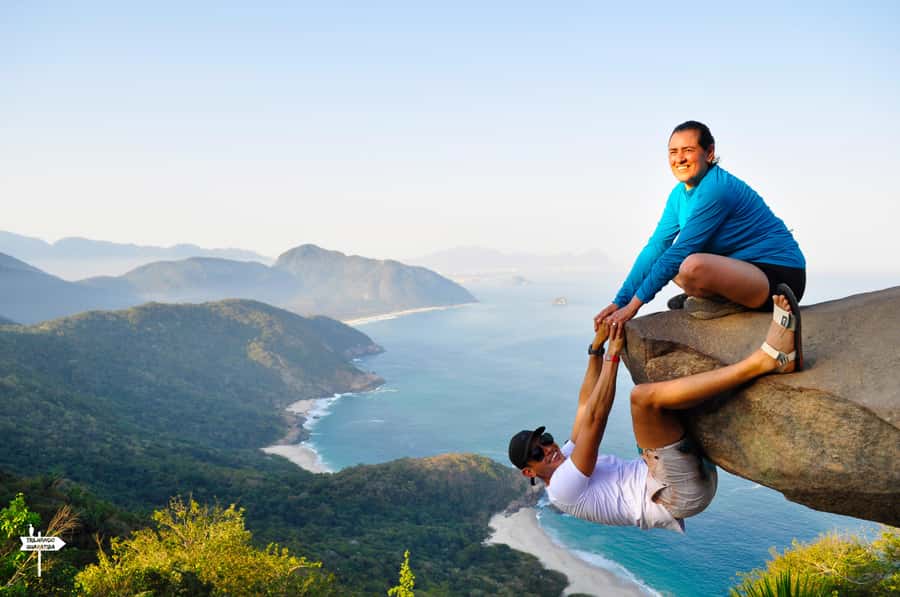
If you’re a photographer, this is the kind of hike where you can stop thinking like a tourist and start thinking like a visual storyteller. Your best images come from the lookout timing, and the route is designed for that.
Walking through Atlantic Forest: wildlife, shade, and what to expect
The trail runs through the Atlantic Forest, which means the vibe is greener, cooler in spots, and generally more alive than a standard viewpoint walk. The description calls out a lot of animals you might observe: monkeys, birds, butterflies, and insects.
Sometimes you also hear the more serious note: the tour notes that you might encounter snakes such as the Cobra Cipó. It’s not there to scare you, it’s there to set expectations. Stay on the trail, don’t try to get close for a photo, and don’t feed wildlife. Feeding animals is also listed as not allowed.
In practice, wildlife spotting changes your pace. You may pause more often than you would on a straight “get to the top” route. That can be good, because it keeps the hike from feeling like a workout treadmill, but it can also add a little time.
Restinga de Marambaia lookouts: where the photos really happen
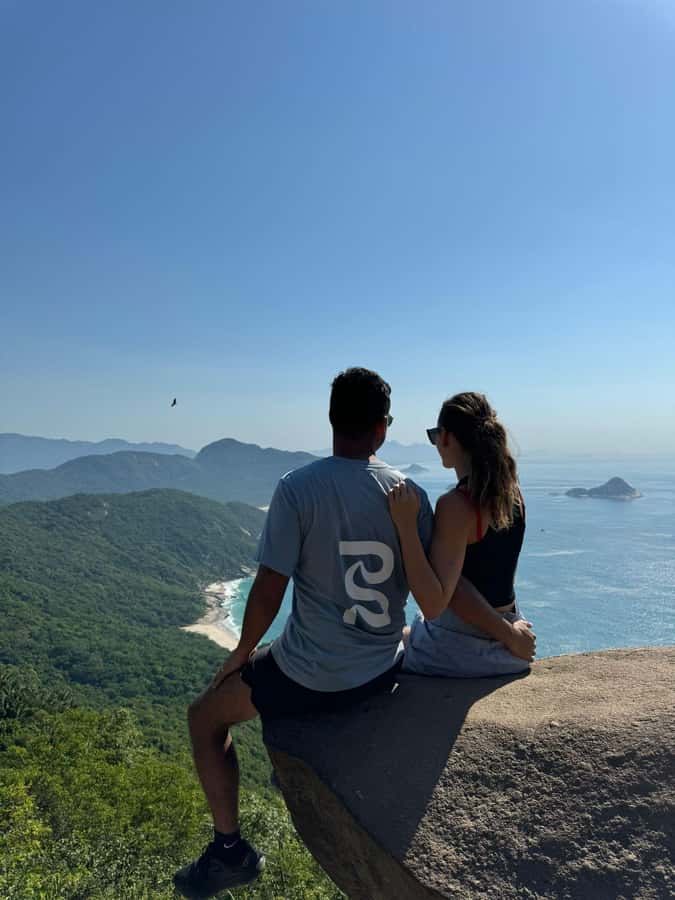
The itinerary is built around two lookout stops, both tied to views of Restinga de Marambaia. This is where you’ll want your camera ready, not because the guide will force perfect shots, but because the best angles require you to be quick and present.
Lookouts also do something psychological. When you’ve been walking under trees, stepping into a viewpoint suddenly turns everything louder, wider, and easier to photograph. You’ll see beach patterns, ocean color, and coastline lines that help you understand Rio beyond postcards.
Dudu in particular has a reputation for handling changing conditions. One helpful detail from real trips: if it gets misty at the top, he may wait for visibility to improve. That matters, because photos are not just about framing, they’re about clarity.
The wide-end panorama: Grumari to Barra da Tijuca and the rock markers
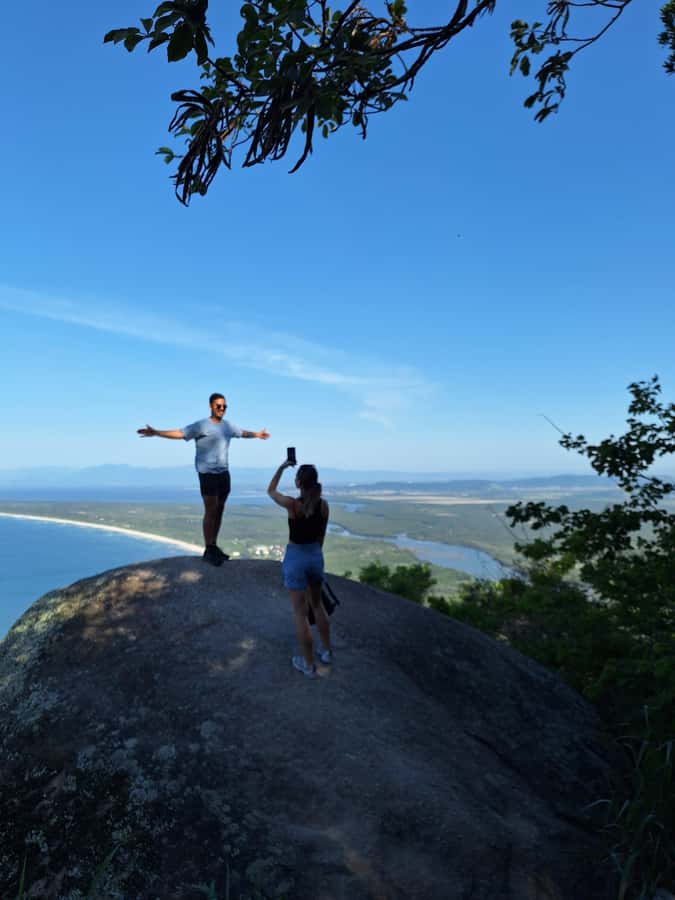
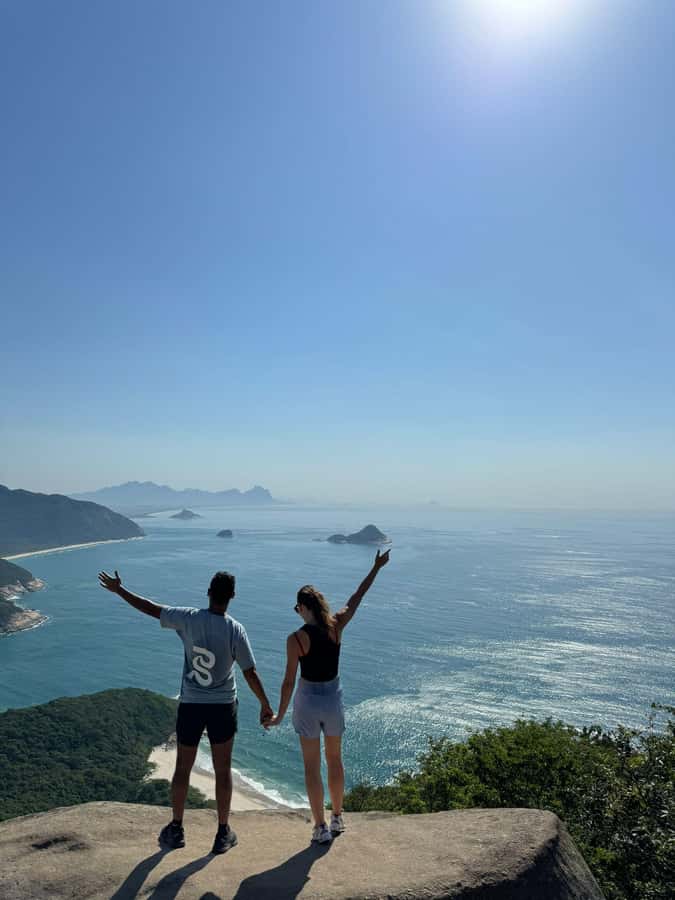
By the end of the trail, the views expand into a big coastline sweep. The tour describes spotting wild beaches and also other beach areas such as Grumari, Recreio, Reserva, and Barra da Tijuca. You can also see Pedra do Pontal and Pedra da Gávea, which is great if you like linking what you see to Rio’s famous geography.
This is also where the route shifts from “forest hike” to “stand, look, and breathe.” The area is still outdoors, so plan on sun, wind, and changing light. If you’re carrying a phone, keep an eye on battery life. For photos, having enough charge matters more than you think until you’re standing at the perfect angle.
Transfers and beach follow-up: how to plan the rest of your day
This experience is a full day in the sense that it starts with pickup and ends with you back at a beach location you choose. Pickup options are Copacabana and Barra da Tijuca, and transportation is included to get you from your hotel area to the trail area and then back again.
The guided portion is described as a tour from Barra de Guaratiba lasting about 2 hours. Exact timing can vary with starting times, and the activity notes that availability determines those start times. So when you book, check what time your day begins, and keep your afternoon flexible.
After you finish the hike, you’ll go to a beach of your choice, as long as it’s reachable without needing trails. That wording is key. It means you can choose based on vibe, but you’re not signing up for another technical walk afterward. You’ll still want a towel and sunscreen, because the day’s momentum is outdoors.
Price and value: is $68 worth it for Pedra do Telégrafo?
At about $68 per person, you’re paying for the full package of guide support plus logistics. What’s included is an accredited guide, transportation, first aid kit, and photos. Then there’s the optional layer: there’s also a local professional photographer at the end who charges separately.
So the smart way to think about value is this: you’re not just buying a hike, you’re buying a guided nature-to-viewpoint sequence plus the transport that removes the headache of getting to the trail area.
Where costs can pop up is predictable and manageable. Food is not included, and you’ll negotiate your beach plan separately. The photo add-on is optional, but it’s worth deciding ahead of time if you really want the “pay for polished shots” route.
If you prefer doing things efficiently, the transfer and guided pacing are a big part of why the hike feels accessible. If you want to DIY, you’d still be spending time solving transport and timing, and you could miss the best photo moments that come from having a guide who knows where to stop and when.
What to bring: make the hike feel controlled, not chaotic
You’ll get the most out of this if you pack like you’re heading out for sun plus a steady walk. The tour recommends:
- Sun hat
- Towel
- Snacks
- Sunscreen
- Water
- Insect repellent
Those aren’t generic suggestions. In Rio, the sun can be relentless, and you’ll be outside long enough that you need water even if you plan to take it easy. Repellent matters because the trail is in Atlantic Forest.
Also follow the footwear note: high-heeled shoes are not allowed. Practical walking shoes help you keep balance on a trail. Bring light layers if you’re sensitive to heat, because forest shade changes to full sun near viewpoints.
Safety and rules that matter on this trail
This is a hike through nature, so the rules are there to keep the group safe and protect wildlife. The activity lists no feeding animals, and it also bans actions like making fires and causing disturbances. There are also restrictions around what you can bring, like glass objects, and it prohibits alcohol and drugs.
Mobility and health notes are also pretty strict. It’s not suitable for pregnant women, people with mobility impairments, wheelchair users, people with epilepsy, people with animal allergies, people with motion sickness, visually impaired people, and people over 331 lbs (150 kg). It’s also not suitable for people over 95 years.
If you’re insect-allergy prone, the tour lists insect allergies as a no-go. That one is especially important for Atlantic Forest hiking where insect exposure is hard to fully control.
For me, the best safety mindset here is simple: follow the guide’s pace, stay on the trail, keep your eyes open, and don’t try to test your luck with wildlife photos at close range.
Who should book Pedra do Telégrafo + Transfer
This hike fits best if you want a guided mix of nature and big Rio panoramas without spending your day wrestling transport. It’s also a good match if you like wildlife spotting and don’t mind a steady walking pace.
It’s particularly appealing for people who:
- Want photos of Rio from viewpoints that feel less crowded than the city center
- Enjoy nature walks through Atlantic Forest
- Prefer someone like Dudu to guide pacing and make sense of what you’re seeing
- Want an outdoor day that ends with beach time you choose
It might not be for you if you:
- Need full wheelchair access or have significant mobility limitations
- Get motion sick outdoors
- Have epilepsy or a serious allergy profile that matches the listed restrictions
- Want a zero-hike day, since this is still a hike
Booking advice: should you go for Pedra do Telégrafo?
I’d book this if your priority is viewpoints plus nature, with transfers handled for you. The inclusion of an accredited guide, first aid kit, and hotel pickup/drop-off makes the logistics easy, and the payoff views across multiple beaches feel like the right kind of effort.
I’d hesitate if you’re sensitive to insects or have any allergy category listed as not suitable, because the trail environment is part of the deal. I’d also decide in advance about the optional photo service, so the moment at the end feels like a choice, not a surprise.
If you want one practical move before you go, plan your afternoon around beach time you can actually reach without trails. That keeps you from having to scramble after a hike.
FAQ
Where are the pickup locations?
Pickup is available from Copacabana and Barra da Tijuca.
How long is the experience?
The activity is listed as 1 day, with a guided tour part of about 2 hours.
What does the price include?
The price includes an accredited guide, photos, a first aid kit, and transportation.
Are meals included?
Food is not included. It’s negotiated separately.
Do I have to pay extra for photos?
There is a local professional photographer at the end who charges separately, and the photo service is optional.
What kind of trail experience should I expect?
You’ll hike a trail through Atlantic Forest and stop at two lookouts with views of Restinga de Marambaia, then you’ll see wider coastal views at the end.
What should I bring?
Bring a sun hat, towel, snacks, sunscreen, water, and insect repellent.
What beach time do you get after the hike?
After finishing, you’ll go to a beach of your choice, as long as it can be accessed without the need for trails.
What languages are available for the guide?
The guide offers Portuguese, English, and Spanish.
Your Own Driver, Other Days




More Tour Reviews in Rio De Janeiro





The Ledge Shot, Other Ways

Pedra do Telégrafo Tours, compared.
 ★ 4.5Pedra do Telégrafo Hike and Beach Full-Day TourFrom $56417 reviews
 ★ 4.5Guided Walk to Telegraph StoneFrom $7549 reviews
 ★ 4.5Pedra do Telégrafo Hiking Tour ( Telegraph Rock – Avoid Crowds) – Rio de JaneiroFrom $5941 reviews
 ★ 5.0Pedra Do Telegrafo and Grumari Beach with PhotosFrom $7331 reviews
 ★ 5.0Pedra do Telégrafo Trail Hike and Ocean ViewFrom $5630 reviews
 ★ 5.0Telegrafo Rock Hike with Optional Beach StopFrom $8613 reviews
 ★ 5.0Discover Pedra do Telégrafo: Scenic Hike with Expert GuideFrom $689 reviews
 ★ 3.2PEDRA DO TELÉGRAFO – The most incredible view of Rio de JaneFrom $326 reviews
Also filed under