
Review · RIO FOOTBALL MATCH EXPERIENCES
Rio de Janeiro: Flamengo Museum Ticket Entrance
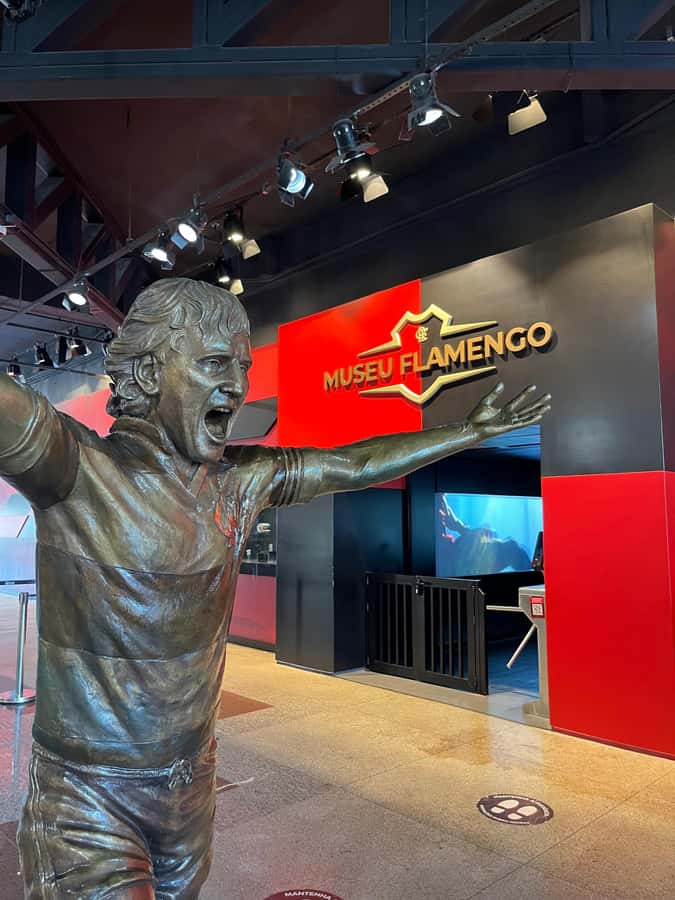
Flamengo history hits different in Gávea. With the Flamengo Museum ticket, you walk through the club story from 1895, from a sailing club to a football giant. I like that the museum uses real atmosphere and big visual moments, especially the trophy room across four floors, plus technology and emotion that makes the whole experience feel like matchday.
Two big wins for me are the scale of what you can see and the way the galleries are organized. You get 14 themed sections built around interactive tech, giant screens, and sensory environments, so it is not just reading plaques. One thing to consider: the museum has strict rules, including no food or drinks and no flash photography, so you will need to plan what you wear and bring.
Key moments that make this ticket worth it
- Four floors of trophies that track the club’s big milestones
- 14 themed sections using tech, interactivity, and emotion to guide your visit
- A giant-screen experience with sensory environments that set the mood
- A collection preserved with care, including historical objects and idols from multiple sports
- Rubro-Negra focus that fans describe as emotional and memorable
Flamengo Museum at Gávea: what you are really buying
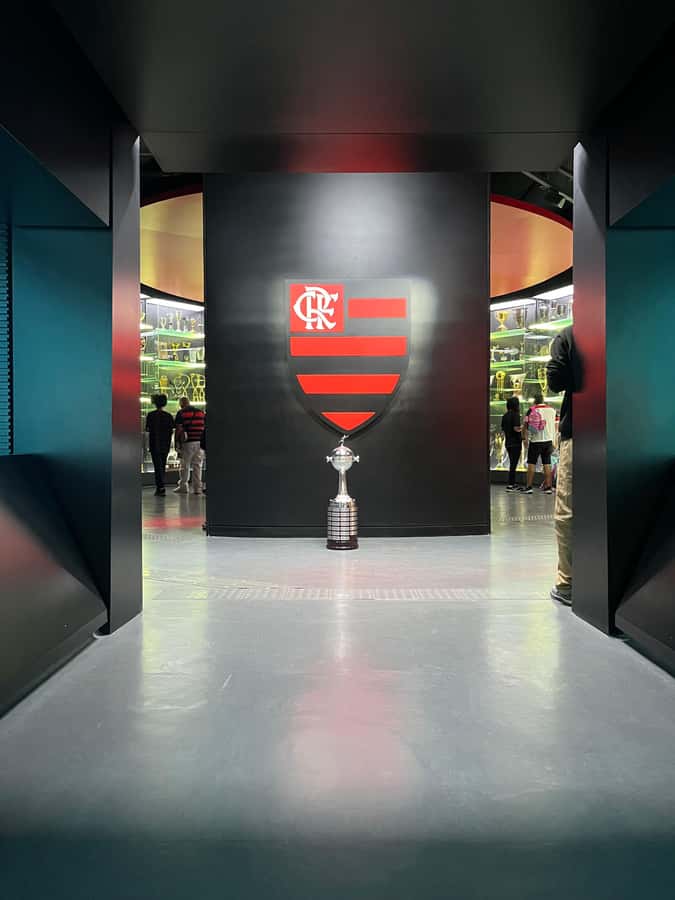
This ticket gets you into the Clube de Regatas do Flamengo headquarters museum in Gávea, just south of Rio de Janeiro. It is a one-day ticket, and you check availability for starting times. The payoff is simple: you are not just learning about a team, you are stepping into the club’s identity, from its early days to its modern dominance.
The museum is built around the full Flamengo timeline, starting in 1895 and moving forward into the era where the club became a powerhouse in world football. If you already love Flamengo, this is the kind of visit that helps you connect the logos and legends you know with the history behind them. If you are not a die-hard fan, you can still enjoy it as a well-made sports museum, especially if you like museums that use screens, sound, and interactive displays rather than only text panels.
The experience also has credibility behind it. The museum was developed by the same team responsible for major sports museums for clubs like River Plate, Boca Juniors, Juventus, and Benfica. That matters because it signals consistent design quality, not just a room full of memorabilia.
The route through Flamengo’s story, from sailing days to matchday legends
Inside, the museum sets up the Flamengo story like a progression you can follow. The key idea is that the club did not start as a football brand. It started as a sailing club, and the museum frames how Flamengo’s culture grew from there into multi-sport identity and, later, football fame.
You will see how the club’s trajectory is presented, not as random facts, but as moments you revisit. The flow helps you understand why Flamengo became Flamengo, not just what it won. I especially like this for solo visitors because you can move at your pace and still feel guided by the exhibit structure.
You also get a sense of how the club views itself across sports. The museum includes idols from several sports, plus historical objects, all tied to the club’s identity. That is a smart move for a visitor, because it turns the museum into a broader Flamengo story instead of only a football recap.
There is also a “feel it” component. Several areas are designed around emotion, not only information, using giant screens and sensory environments. In practice, that means you spend less time decoding and more time reacting. It is one of the reasons people call the experience emotional, and why the “Rubro-Negra” vibe gets mentioned so often.
Four floors of trophies: how the museum handles the big moments
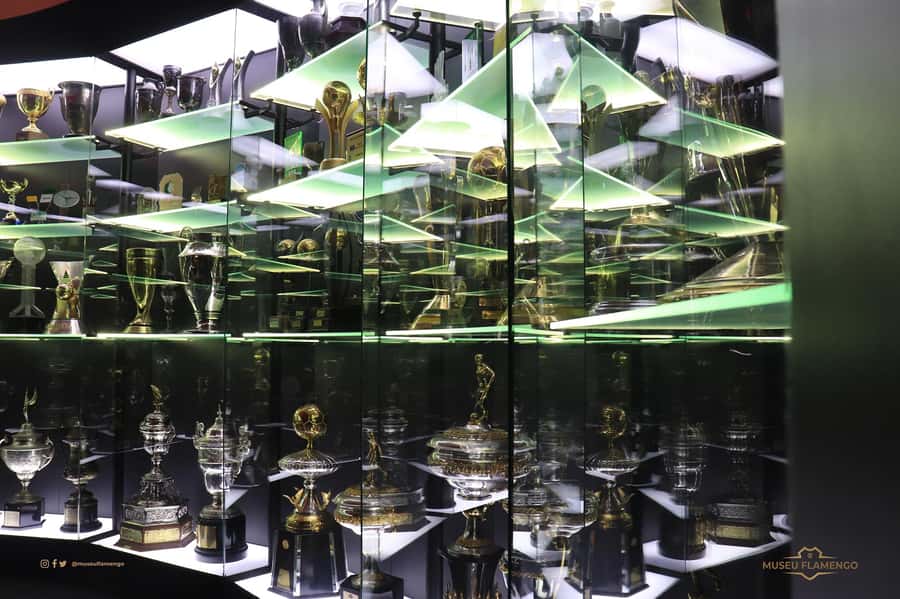
One of the most memorable parts is the trophy room spread across four floors. The layout matters because trophies are easy to list but hard to make feel meaningful. Here, the museum uses space and scale to make that collection feel like a timeline of achievement.
Think of it like this: you are not just looking at objects. You are walking through the club’s idea of success, organized so the story has weight as you go higher and deeper into the museum. If you like sports history but hate museum visits that feel like homework, this kind of setup usually works better.
Alongside the trophies, you will find themed sections that connect those moments to the broader narrative. The museum uses technology and interactivity to re-create key scenes and eras, and giant screens help you “see” the club’s most iconic periods rather than only reading about them.
A small detail, but worth knowing, is that rules restrict flash photography and filming. So instead of trying to capture everything, you will likely experience more through your eyes and memory. That can actually improve the visit if you prefer to focus on what you are seeing in real time.
The 14 interactive zones and the tech that keeps you engaged
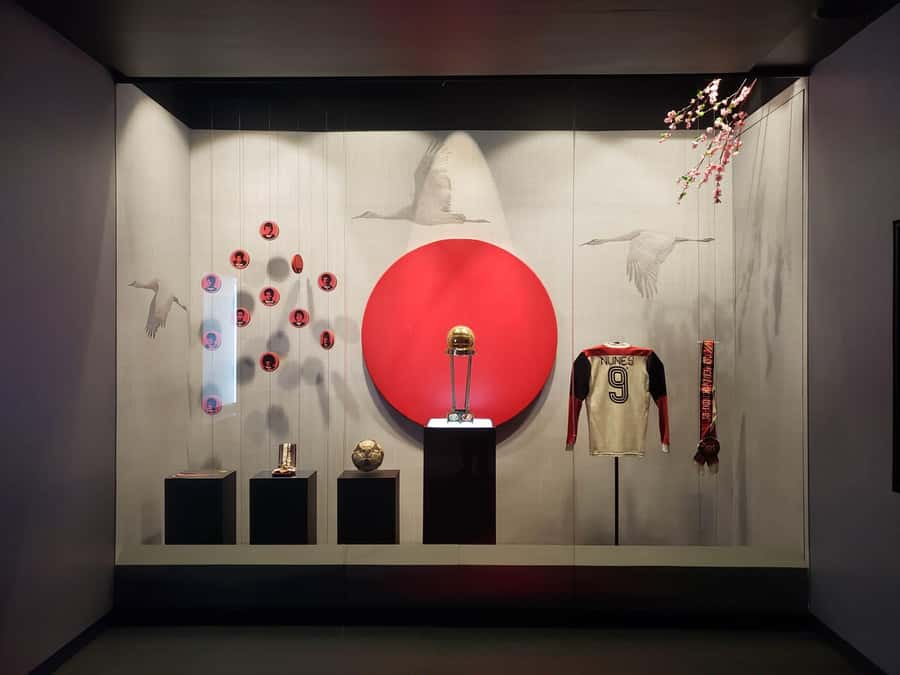
The museum is organized into 14 themed sections, each designed to create a different emotional and visual impact. The goal is to make you feel present in the club’s biggest moments, with hands-on elements and immersive-feeling spaces driven by screens and sensory effects.
Here is the practical value for you: if you get bored with museums that are all static displays, these sections are the antidote. You can spend time where you care and skim what you do not. The museum design encourages that because the exhibits are modular, so you are not trapped in one long room of the same format.
It also helps that the exhibits are technology-forward. Giant screens and sensory environments can compress a lot of story into a short time. That is a real advantage for a one-day ticket. You do not have to spend the whole day only reading and then wonder where the time went.
One theme that comes through in feedback is that people enjoyed both the emotional atmosphere and the history elements, including logo-related storytelling. Even if you are not fluent in all the context, you can still pick up the club’s identity cues through visuals and the exhibit layout.
Digital guide in multiple languages: how to use it well

Included with your ticket is a digital guide to the experience, and it is available in English, Spanish, and Portuguese. This is a big practical advantage because it lets you choose how much context you want while you are walking.
I recommend using the guide strategically. Start by reading the short overviews near the major sections, then turn to the displays themselves. That way you do not get pulled into long explanations before you even see what the exhibit is trying to show.
The activity also lists an instructor with Spanish, English, and Portuguese. Even without a long guided walking tour, that language availability matters. You are more likely to be able to ask quick questions or get clarity on what you are looking at.
Because you are in a museum focused on moments, a multilingual guide helps you understand why certain items matter. It also helps if you are visiting with family members who may prefer different languages.
What not to do inside the museum (and how to plan your outfit)
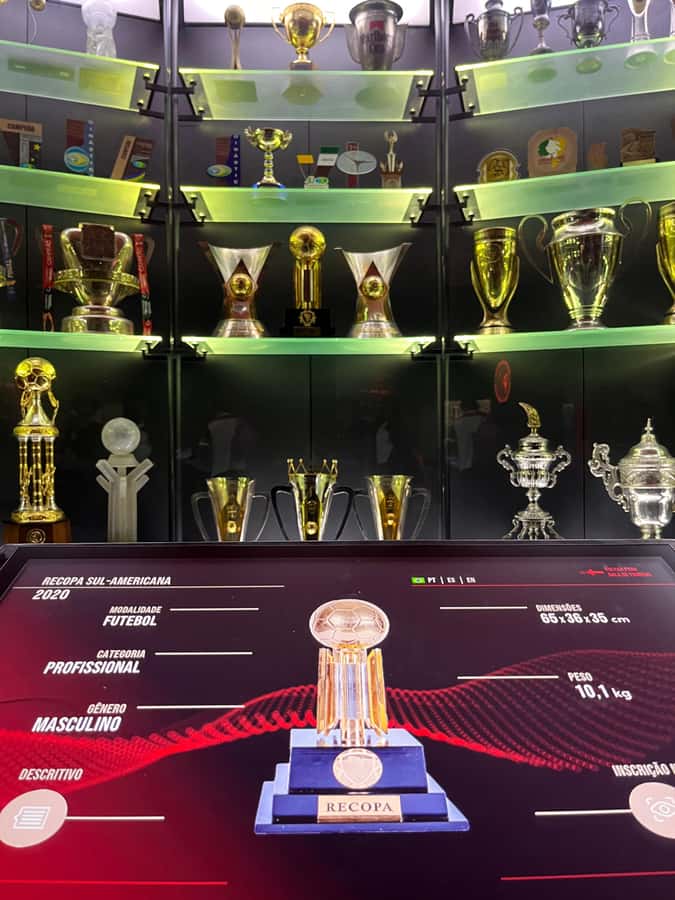
Rio museums can be casual in everyday life, but this museum has clear restrictions, and they are worth taking seriously so you do not get stuck. Here are the rules that most affect your day:
- No flash photography and no filming inside the museum
- No smoking anywhere on the museum premises
- Cell phone requested to be on airplane mode or silent
- No food and no drinks allowed
- No sportswear is allowed
- No plastic bags and restrictions on certain items like glass objects
- No scooters
- Pets not allowed, though assistance dogs are allowed
For planning, the most helpful move is simple: wear normal, comfortable clothes that are not “athletic gear,” since sportswear is not permitted. If you want to avoid stress, skip backpacks that might resemble plastic-bag storage, and keep your phone quiet.
Also note the museum follows a no-drugs/no-alcohol rule, and it prohibits weapons or sharp objects. This is standard for safety, but it still affects what you pack.
Price and value: is $18 a fair deal for a one-day ticket?
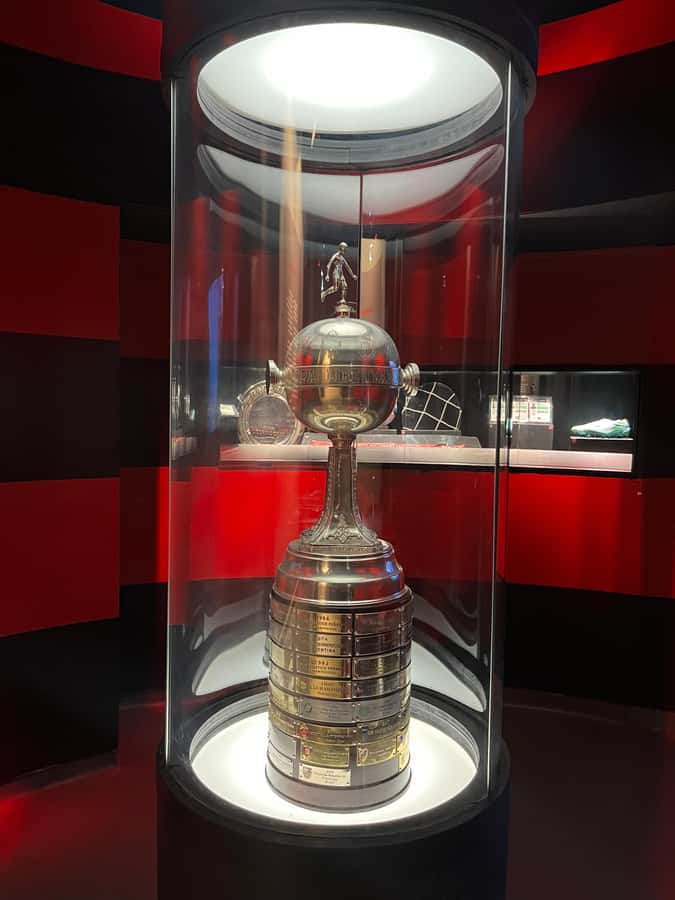
At $18 per person, the Flamengo Museum ticket is priced like a serious cultural admission, not a quick photo stop. The value depends on what you want from a museum.
If you like sports history, interactive exhibits, and tech-based storytelling, this ticket is usually a good deal. You are getting a lot of structured content: a timeline since 1895, a trophy room across four floors, and 14 themed sections with giant screens and sensory environments. In other words, it is not just one gallery. It is a full museum visit designed to occupy your attention.
If you are only passing through Rio and want a very light activity, you might find the price harder to justify, especially because food and drinks are not included. But even then, the museum’s focus on both emotional experience and real historical storytelling makes the entry fee feel more like “pay for the experience design” than “pay for objects in a room.”
Who should book this museum ticket
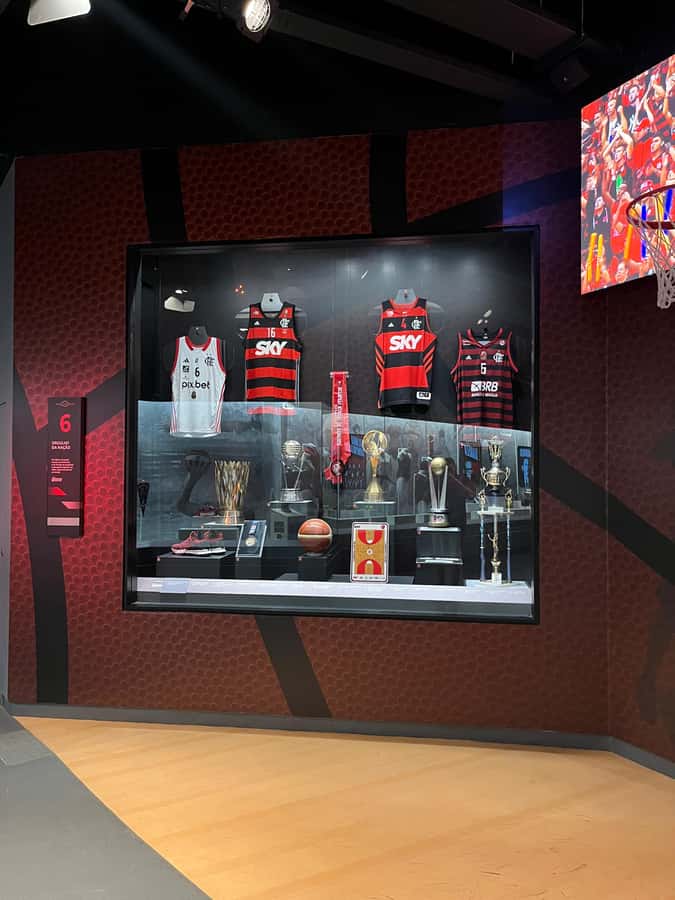
You will get the most out of this if any of these sound like you:
- You are a Flamengo fan who wants to connect the club story to the trophies and iconic moments.
- You like sports museums that use screens and interactive sections instead of only reading wall panels.
- You enjoy multi-sport club history, not only football highlights.
- You want a one-day plan near the club headquarters in Gávea without needing a separate tour add-on.
It may feel less compelling if you are not interested in the Flamengo identity or if you strongly prefer museums where photography and filming are unrestricted. The museum rules limit how you document your visit, and the story is designed specifically around the club.
Should you book the Flamengo Museum entrance ticket?
I think you should book it if you want a well-designed sports museum with clear structure, strong emotional branding, and a lot to see in one go. The combination of four floors of trophies, 14 themed sections, and a digital guide in English, Spanish, and Portuguese makes it a smart use of time for a one-day ticket.
Skip it or reconsider if you hate tech-based exhibits, you need to bring your own food and drinks, or you prefer a totally flexible photo and video style. The museum is strict about flash photography and filming, and it does not allow food or drinks.
If Flamengo is on your list at all, this is one of the easiest ways to get the story and the atmosphere in one visit, right at the club’s own home base in Gávea.
FAQ
Where is the meeting point?
The meeting point is at the Clube de Regatas do Flamengo headquarters in the Gávea neighborhood.
How much is the ticket?
The price is $18 per person.
How long is the experience valid?
The ticket is valid for 1 day. You check availability for starting times.
What languages are available for the experience?
The digital guide is available in English, Spanish, and Portuguese, and the instructor is listed in Spanish, English, and Portuguese.
Is a digital guide included?
Yes. A digital guide to the experience is included, and it is also available in English, Spanish, and Portuguese.
Are food and drinks included?
No. Food and drinks are not included.
Is a tour of Gávea included?
No. A tour of Gávea is not included.
Are pets allowed?
Pets are not allowed, but assistance dogs are allowed.
Can I take photos or film inside?
You are not allowed to film or take pictures with a flash.
What items are prohibited inside the museum?
The museum does not allow alcohol and drugs, smoking, weapons or sharp objects, plastic bags, glass objects, drinks, scooters, and food. It also prohibits vaping.
Should you book this Flamengo Museum entrance ticket?
Book it if you want a full sports museum experience focused on Flamengo since 1895, with a trophy room across four floors and 14 themed, tech-based sections. It is a good value at $18 when you actually want to spend real time inside and use the included digital guide. If your priority is bringing food and drinks, filming freely, or wearing sportswear, you may want to choose something else.
Straight-Entry Tickets in Rio De Janeiro






More Tour Reviews in Rio De Janeiro





Another Match Night in Rio De Janeiro






Rio Football Match Experiences, compared.
 ★ 4.5Football Match in Rio de Janeiro – Guided with TransportationFrom $166150 reviews
 ★ 4.6Football Game Ticket with Guide and a DrinkFrom $86124 reviews
 ★ 5.0See a Flamengo Game at Maracanã with a localFrom $128105 reviews
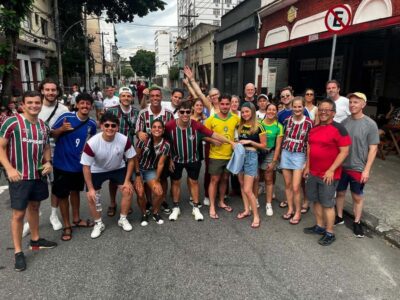 ★ 5.0Fluminense Football Match at Maracanã with Local HostsFrom $7380 reviews
 ★ 4.9Flamengo Game Experience at the Maracanã StadiumFrom $11554 reviews
 ★ 4.9Rio: Fluminense Match at Maracanã with Guide and TicketFrom $13822 reviews
 ★ 4.6Maracanã & Flamengo Football TourFrom $1149 reviews
 ★ 4.8Attend a Vasco da Gama game with local guideFrom $1149 reviews
Also filed under