
Review · FOOD & DRINK
The Best Food Tour: Taste the Most Authentic Flavours of Rio
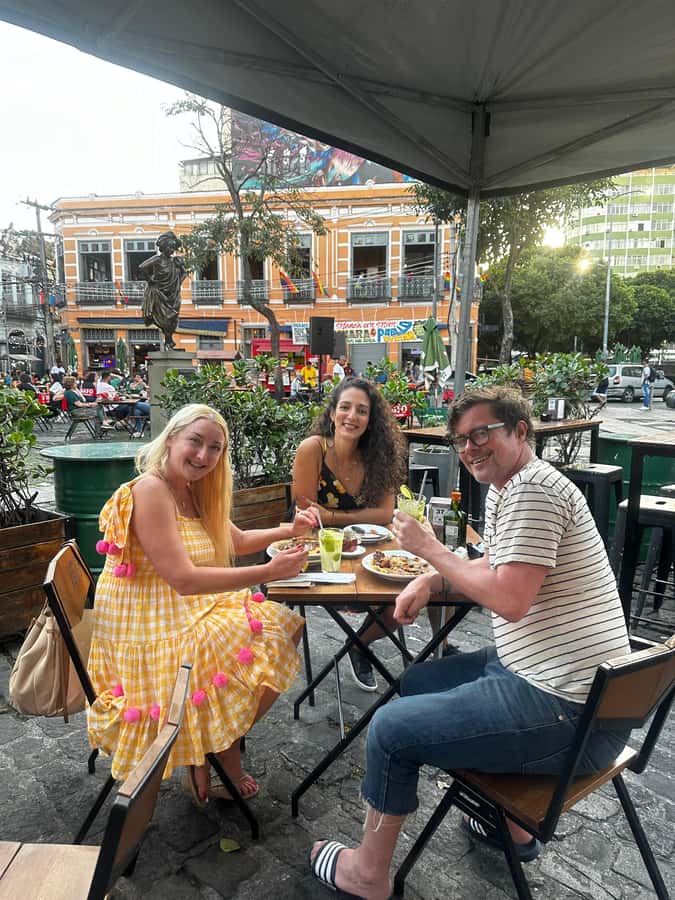
Four hours of Rio food, plus samba on tap. This is a neighborhood-focused tasting walk that stitches together flavors from different parts of Brazil, then lands you at Pedra do Sal for samba and street-level typical food. I like it because the stops are built around what you can actually taste, not just what you can read about.
Two things I’d point out right away. I love that you get more than 10 samples across the tour, including bites and drinks that feel local, not tourist-only. I also like that you get context along the way, so dishes like angu or feijoada-style snacks make more sense as you move through the route.
One thing to keep in mind, and it matters: tastings and specific restaurants can vary by day and availability. If you have your heart set on one exact dish, accept that the menu choices can shift.
Key takeaways before you go
- More than 10 tastings across different regions of Brazilian cuisine, with foods and drinks you can’t easily recreate at home.
- Little Africa and Pedra do Sal as the setting, so you’re eating and listening in the same places locals have been for years.
- Samba in a traditional circle at Pedra do Sal, which turns the tour from a food run into a Rio rhythm experience.
- Multiple themed stops, including restaurants known for items like tacacá, empadas, angu, and cachaça.
- Guides who add story, with past groups praising guides like Louis, Jurema, and Lia for tying food to Rio’s wider context.
Little Africa, Pedra do Sal, and why this tour feels different
This tour centers on Rio de Janeiro’s Little Africa area, then brings you to Pedra do Sal for the samba circle. That pairing is smart. You’re not just eating in one restaurant and calling it a day. You’re moving through the neighborhood where the sound and the food belong together.
You’ll notice the tour has a clear rhythm: eat, walk, listen, eat again. The pacing also gives you time to reset your appetite between tastings. And because it’s food-led, you get a natural reason to explore streets and spots that you might otherwise pass by.
There’s also a “two sides of Rio” feeling to it. One side is the flavors from Brazil’s regions. The other side is Rio’s cultural heartbeat, with samba at Pedra do Sal. Put together, it’s a tour that teaches without turning into a lecture.
Price and value: is $75 really enough food for 4 hours?
At $75 per person for 4 hours, the value comes from the tasting volume and variety, not a single big meal. This tour is explicitly built around more than 10 samples from different parts of Brazil, plus drinks and a cocktail along the way.
Most food tours hit you with a handful of small bites. Here, the math is more generous because the itinerary stacks multiple restaurant stops, each with its own tasting focus. You start with açaí and tacacá style items, shift to savory snacks like angu and empadas, then end with dessert and bar food while the samba is happening nearby.
Also, you’re paying for organization and storytelling. A guide helps you connect ingredients and dish styles to where they come from in Brazil. That turns the experience into something you can remember, not just something you snack through.
The route, stop by stop: what the 4-hour flow actually looks like
The tour moves through a simple sequence that you can plan your day around. You start at Tacacá do Norte Gourmet, then you hop on the metro for about 10 minutes to a local restaurant for a longer first tasting window.
After that, you move to another local restaurant where you get a photo stop and a cocktail, plus another round of guided food tasting. Then you finish with dessert at a final restaurant before you head back to Tacacá do Norte.
In practical terms, it’s not an all-day wandering crawl. It’s a tight tasting itinerary with time blocks you can feel. You’ll be eating often, but you also get little pauses built into the schedule.
Stop 1 at Tacacá do Norte Gourmet: açaí, tacacá, and Guarana Jesus
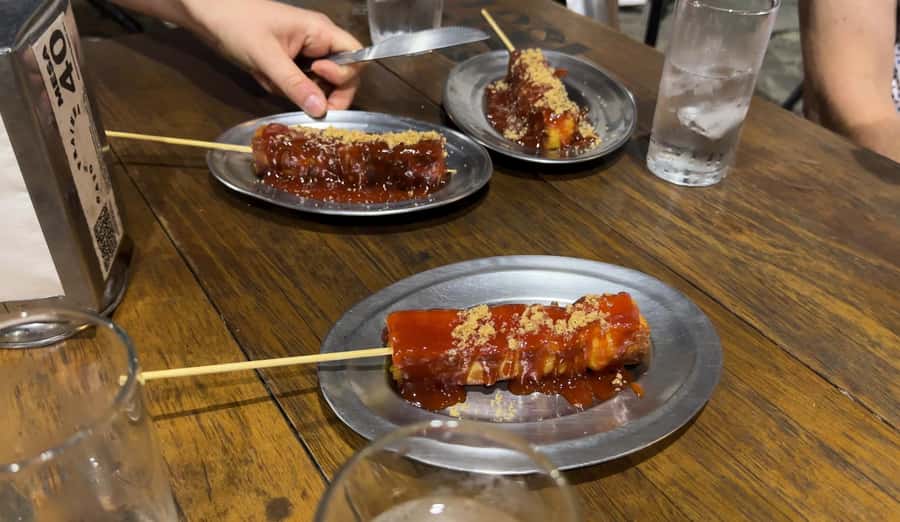
You meet inside Tacacá do Norte Gourmet (number 35 O). That detail matters because there’s also a similarly named place without the Gourmet tag, so arrive to the right address and go in.
This first stop sets the tone with flavors tied to Brazil’s North and street-food comfort. You can expect items like:
- Original açaí (from the North)
- Tacacá (with or without shrimp)
- Guaraná Jesus
Why this works early: tacacá and açaí are strong identity foods. They give you a quick, memorable “taste map” of Brazilian regional diversity before the route shifts to Rio classics. If you’re the type who likes to understand what you’re eating, this opening is a good anchor.
And it’s not just about taste. You’ll likely get a quick orientation on how ingredients travel and how regional dishes show up in Rio. Past guests praised the way guides tied history to what you were tasting, which makes a first stop like this much more satisfying.
The metro hop and the first restaurant tasting block
After Tacacá do Norte Gourmet, the tour includes a 10-minute subway or metro segment. That break matters because it gives you a breath between tasting clusters. It also keeps you from having to self-navigate through multiple neighborhoods during a meal-focused tour.
At the local restaurant stage, you get about an hour of food tasting and regional food. This is where you’ll start stacking savory items and building toward the more iconic Rio flavor hits later.
If you’re wondering how much you’ll eat, treat the whole tour like one long meal spread out in parts. By the time you reach the samba area, your appetite will be ready again, not worn out.
Angu do Gomes and the comfort food zone
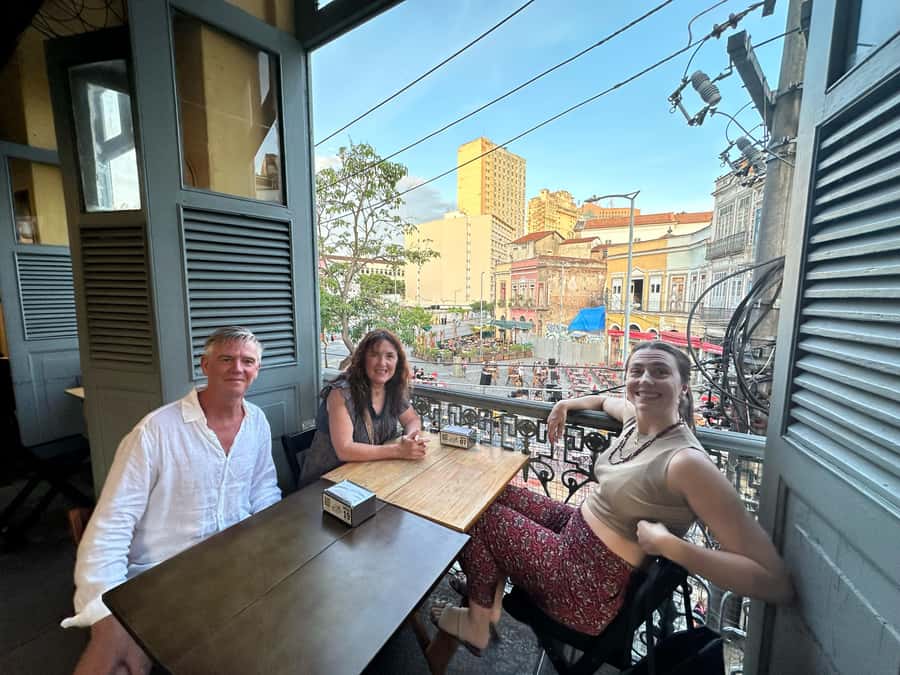
One of the dishes listed is Angu do Gomes, with traditional or vegetarian angu. You’ll also see feijoada-style influences here, such as a feijoada ball or fried cassava, depending on what’s available.
Angu is the kind of dish that feels humble, but it can be deeply satisfying. It’s also a good “explainer food” because it helps you understand how Brazilian cuisines use staples and textures. If you’ve only had beans and rice before, this is a different way to experience the same country.
This stop is also where you’ll likely get practical guidance from your guide about what to look for in each dish, like how it’s seasoned or why it’s paired with certain items. Past groups liked that the guide approach is more than just listing names.
Casa Porto empadas, coxinha, and passion fruit cachaça
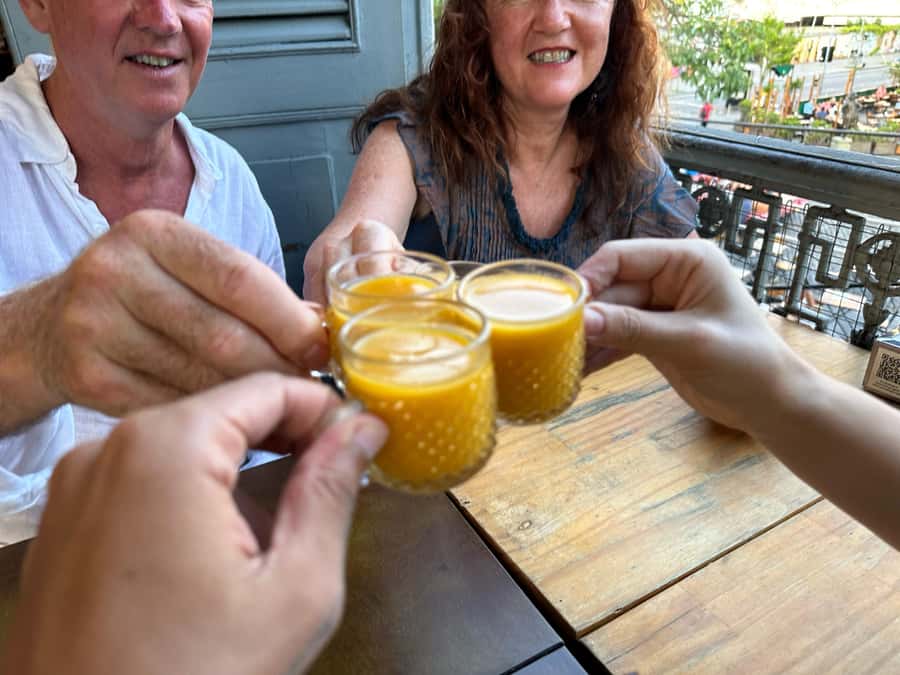
Another restaurant stop includes a burst of snack foods and a drink option. Expect items such as:
- Okra empada
- Romeo and Juliet empada
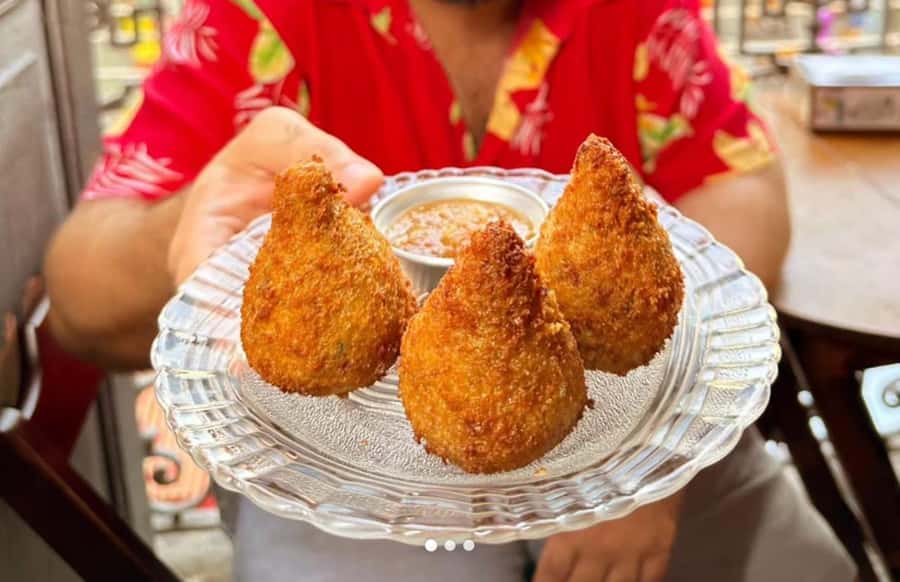
- Coxinha de pernil without dough
- Homemade passion fruit cachaça
This is the section where the tour leans hard into Brazilian snack culture. Empadas are portable, hand-held comfort. Coxinha is one of Brazil’s most recognizable bar snacks, and the version noted here uses pork filling with no dough, so it’s a twist worth trying.
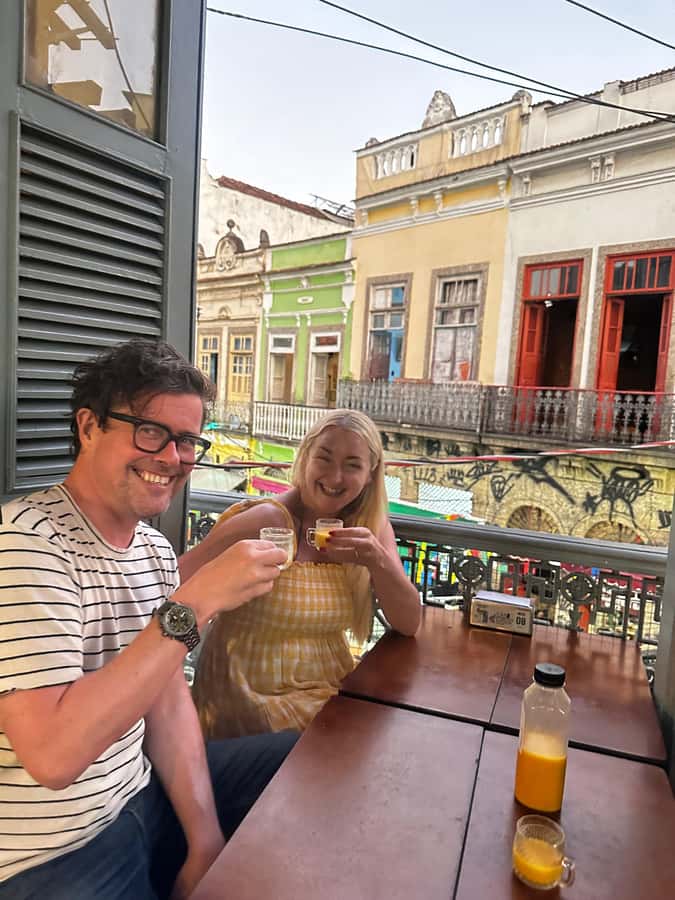
The passion fruit cachaça is a big signal that you’re in the right category of tour. This isn’t just about food, it’s about drinks that belong with the flavors. If you like to taste alcoholic beverages alongside what you’re eating, this is one of the stronger parts of the itinerary.
And yes, a drink is included during the tour as a cocktail at one of the restaurant stops. This means you get at least one guided pairing moment, rather than trying to choose on your own while hungry.
Photo stop, guided info, and another full tasting hour
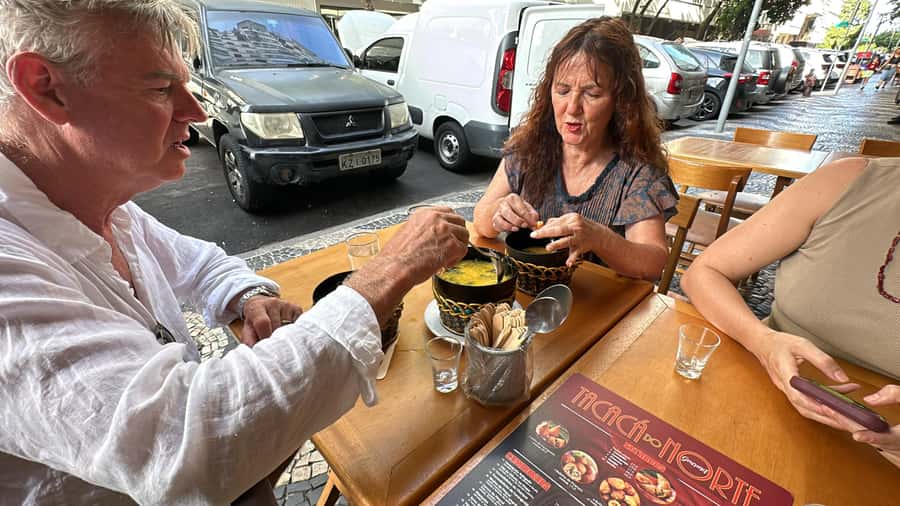
At the next local restaurant block, the itinerary includes a photo stop, a cocktail, and another guided tour plus food tasting for about an hour.
This is a practical design. Photo stops give you a reset moment. The guide time gives you context so you know what you’re looking at and eating. The cocktail window also means you’re not waiting until the end for a treat.
If you’re traveling solo or with friends and you don’t want to think too hard about food logistics, this structure helps. You show up, follow the guide, eat what’s offered, ask questions, and move on.
Pedra do Sal: four more samples, authentic bars, and samba
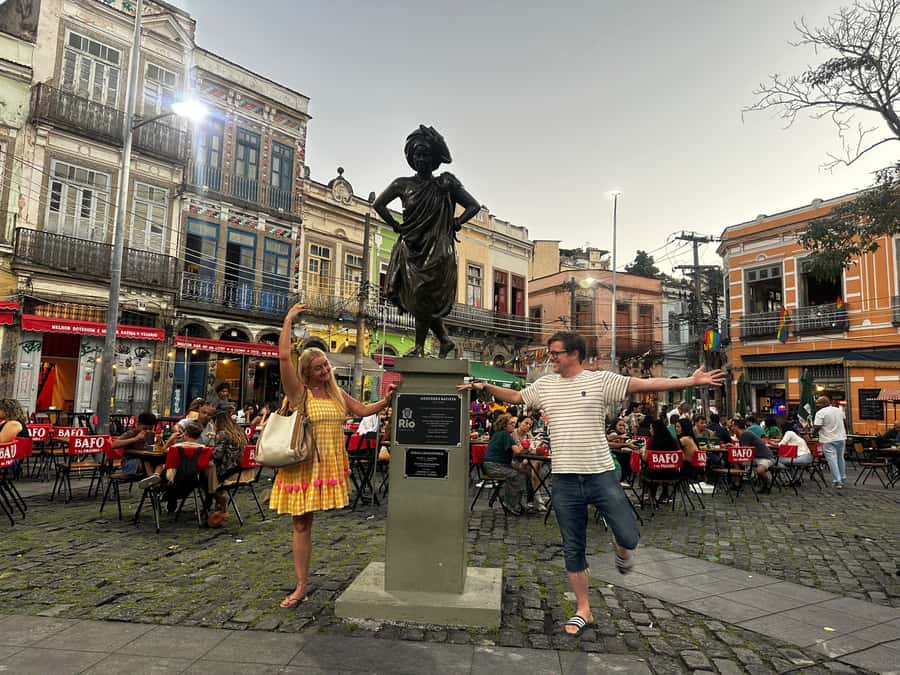
The heart of the tour is the shift to Pedra do Sal, in the lead-up to samba. After the main restaurant blocks, you’ll get four more samples around Pedra do Sal and discover what the tour calls authentic bars.
Then the samba circle happens in one of the most traditional samba circles in Rio at Pedra do Sal. This is where the tour becomes more than a food route. You’re eating while the city’s music plays nearby, which changes how the whole experience lands.
The value here is emotional as much as it is culinary. Eating is practical. Samba is memorable. When you combine them in one evening schedule, you get a tour that sticks with you beyond the last bite.
Also, there’s flexibility in timing. The 12:30 PM option is made for people who want lunch and then freedom to explore after, since samba tends to start around 6 PM. The 4:00 PM option is ideal if you want to finish and slide right into samba time without splitting your day.
What you actually learn: food history tied to Rio’s wider story
Food tours can be hit or miss on context. This one aims for something more useful: explaining dishes, ingredients, and the history behind them as you go.
Past groups highlighted that guides like Louis were especially strong at connecting food and what you’re seeing to the broader story of Rio, including history tied to favelas. Other guides, like Jurema and Lia, were praised for being friendly and for sharing lots of interesting information, not just during the tour but with helpful tips afterward.
Even if your guide share style is different on your day, the format supports learning. You taste regional foods, then you get told what makes them that way. That pairing helps your brain store the experience.
Timing, pacing, and how to plan your appetite
The tour runs 4 hours, with two start times. Plan on eating during the full window, not just at the beginning. Since tastings exceed 10 samples and include savory snacks, dessert is part of the endgame too.
My practical advice: don’t schedule a heavy meal right before the tour. You want to arrive ready to taste, not to recover. If you do eat beforehand, keep it light.
The route also includes metro travel and multiple restaurant stops. Wear comfortable shoes you can stand in for short stretches. You’ll be moving through a neighborhood, and your feet will be happier if you plan for that from the start.
Drinks on the tour: what’s included and how to handle it
You can expect typical Brazilian beverages to show up in tastings. The dish list includes Guaraná Jesus early, and homemade passion fruit cachaça during the snack-focused section.
A cocktail is also included at one of the local restaurant stops. That means the tour treats drinks as part of the food story, not a separate add-on you have to shop for.
If you’re not into alcohol, you can still enjoy the food stops. But do keep your preferences in mind when you’re offered drinks. The tour includes tastings and drink items, so being clear about what you want helps you enjoy the experience without stress.
Who this tour fits best, and who might skip it
I’d recommend this tour if you want a food-first way to explore Rio. It’s especially good if you like regional Brazilian flavors and you enjoy learning while you eat.
It also fits well if you want culture with your meal. Samba at Pedra do Sal isn’t an optional side quest here. It’s the emotional payoff.
You might consider a different tour if you’re very strict about what you want to eat, because tastings and restaurant choices can change without notice based on availability.
Should you book the Rio food tour in Little Africa?
If you’re trying to get more out of Rio than just views and beaches, I think this is a strong option. It’s good value for a tasting-heavy route, and it ties the food to place, music, and Rio’s lived-in character.
Book it if you want more than 10 tastings, a guide-led explanation of what you’re eating, and samba at Pedra do Sal as part of the same plan. Skip it if you need exact dishes guaranteed every day.
FAQ
How long is the Rio de Janeiro food tour?
It lasts 4 hours.
How much does it cost?
The price is $75 per person.
Where do we meet the guide?
You meet inside Tacacá do Norte Gourmet, number 35 O.
Is hotel pickup included?
No, hotel pickup and drop-off are not included.
What’s included with the ticket?
Your reservation includes a guide and food and drink tastings, including more than 10 samples of different foods.
What start times are available?
There are two options, 12:30 PM and 4:00 PM.
What languages does the guide speak?
The live guide speaks English, Portuguese, and Spanish.
Where Rio De Janeiro Eats Well






More Tours in Rio De Janeiro






More Tour Reviews in Rio De Janeiro



Food & Drink, compared.
 ★ 4.7Rio: Pub Crawl in Lapa with Cachaça Tasting and Live SambaFrom $33881 reviews
 ★ 5.0Sunset Boat Tour with Beer, Water, Soda and Snacks includedFrom $74227 reviews
 ★ 4.8Paraty: Historic Centre Walking Tour & Cachaça TastingFrom $1996 reviews
 ★ 4.5Petropolis The Imperial City with Beer tour and LunchFrom $5983 reviews
 ★ 4.5Shared Speedboat Tour with Beer Included!From $6068 reviews
 ★ 5.0Guided Market Fruit Tasting in Rio with 15+ Exotic FlavorsFrom $4968 reviews
 ★ 5.0Historical Tour with Cachaça Tasting – BY PARATY TOURSFrom $1140 reviews
 ★ 4.4SpeedBoat Tour – Beach Tour with BeerFrom $5626 reviews
Also filed under