
Review · SUGARLOAF MOUNTAIN EXPERIENCES
Climb Sugarloaf: A Thrilling Adventure to Rio’s Postcard Peak
Sugarloaf gets personal when you climb it. This small-group adventure takes you up Rio’s famous East Face with UIAA-certified safety gear and a real 15-meter rope-and-rock section that turns sightseeing into something active and memorable.
I especially like how easy it is to start, meeting at Praça Gen. Tibúrcio in Urca, and how the guide team can coach you in English, Spanish, and Portuguese. The one big consideration: this climb is not for you if heights make you panic, because you’ll be on rock with exposure and there’s no skipping the climbing portion.
Key Things I’d Want You to Notice

- UIAA-certified safety equipment plus licensed rock-climbing instructors to keep the rope work controlled and clear
- A real 15-meter rock climb on Sugarloaf’s East Face, not just a hike with photos
- Cable-car descent included, taking you from the climb area down toward Morro da Urca
- Small group size (max 6 travelers), which helps with pacing and individual attention
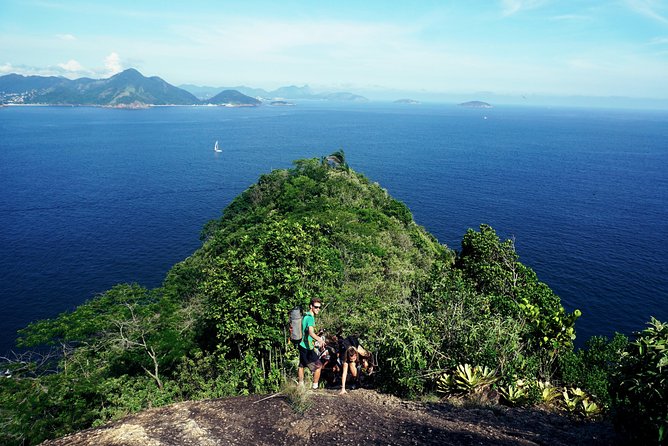
- Views that connect Rio’s icons, from Christ the Redeemer to Tijuca Forest to Copacabana, plus Niterói on the horizon
Sugarloaf, But Make It a Climb
Sugarloaf Mountain is the kind of Rio landmark that’s everywhere in photos, but most visits stop at platforms and cable cars. This experience flips the script. You’re not just looking at the rock and skyline, you’re learning how to move on rock with a harness and a rope section built into the route.
That combination is the whole appeal. You get the adrenaline of a climb and the payoff of a summit viewpoint, with the added bonus that the mountain route is tied to a specific mountaineering milestone. The East Face route was first conquered by British adventurer Henrietta Carstairs in 1817. Knowing that adds weight to what you’re doing, because it’s not a random path, it’s part of Rio’s climbing tradition.
The other thing I appreciate is the restraint of the format. The group is limited to six, the total time is about four hours, and the pace is designed around controlled instruction rather than just getting people to the top.
The Meeting Point and Timing That Actually Work

The tour starts at 2:00 pm at Praça Gen. Tibúrcio, 75, in Urca (near public transportation). That matters more than it sounds, because a lot of Rio tours start early and pull you away from the day’s best light.
You should plan to arrive with more than the minimum buffer. There’s a 10-minute tolerance, and if you miss the start because of late arrival, no refund is issued. Also, this activity ends back at the same meeting point, so you won’t have to solve a last-mile puzzle after you come down.
Duration is around four hours, but it can vary based on group size and day-of-week conditions. With a small maximum group, you’re less likely to feel rushed, but you should still treat it like a half-day commitment.
Safety First, Not Just a Poster Line
This is a rock-climbing experience with actual safety controls. The company provides all necessary safety equipment, and it’s UIAA certified. The guides are experienced and licensed for rock climbing, and they speak English, Spanish, and Portuguese, which helps if you’re trying to understand commands in the moment.
From the way the guides are described, the best kind of safety is the practical kind. You want calm coaching, clear instructions, and a sense that the system is being managed, not improvised. That’s especially important for the rope section, because harness work can feel intimidating until you’re told exactly what to do and how to keep moving.
If you’re curious, you can bring climbing shoes, but they are not mandatory. What is mandatory is footwear choice. No sandals. Wear sport or hiking shoes you trust on rock.
What You Do on the East Face (And What Makes It Special)
The route starts on Trilha do Pao de Acucar. From there, the focus is the signature climb up the East Face. You’ll tackle a 15-meter rock climb, and your guide keeps the safety system in place as you go.
This is not a technical free-climb where you figure everything out alone. It’s structured so that you learn how to handle the rope work and body positioning while the guide manages the rigging. That’s what makes it feel like a true introduction to mountaineering in Rio, instead of a hike wearing a harness.
What makes it exciting for first-timers is the contrast. Before the climb, it’s walking in a mountain setting with ocean views nearby. Then the rope-and-rock section turns the whole experience into a challenge you can feel in your legs and core. When people describe this part as the highlight, it usually means the moment you get your rhythm and realize you’re in control of your movement.
One more reality check: this is not recommended if you’re scared of heights. Even if you tell yourself you can handle it, the combination of exposure, rope positioning, and a rock setting high above the ground can push you into panic. If that’s you, choose a cable-car viewpoint tour instead.
Summit Views: Rio’s Postcard Layer Cake
Reaching the top is where Rio’s landmarks start stacking up in front of you. The summit viewpoint is built for wide-angle sightseeing, and you can expect views of:
- Christ the Redeemer
- Copacabana Beach
- Tijuca Forest
- Niterói on the horizon
The viewpoint payoff is also why this climb feels worth the effort. You don’t just get a dramatic moment while you’re climbing, you get time to look around after the physical work. It’s the kind of place where your phone photos feel almost too small for what you’re actually seeing.
This is also a great spot for a different kind of memory. Instead of only having a static skyline shot, you’ll have a story that ties the skyline to what you just did to get there. That’s a big part of why people rate the experience so highly.
The Cable Car Descent to Morro da Urca
Once you finish the climbing section, you descend using the cable car. Cable-car tickets are included in your ticket, and the descent takes you toward Morro da Urca.
This is smart pacing. You’re done with the hardest vertical effort, and the cable car handles the steep drop for you. It also gives you time to catch your breath and take in the coastline again from a calmer angle.
After that, there’s a leisurely stroll back toward Red Beach. That walking portion is a nice buffer. You don’t immediately jump from intensity into a full day plan. You transition back to street level feeling good, not wrecked.
Price and Value: Where $74.55 Makes Sense
At $74.55 per person, this isn’t a budget “just buy a ticket” activity. But it is good value for what’s included.
Here’s what you’re paying for, in practical terms:
- A licensed rock-climbing instructor and safety coaching
- All safety equipment provided, including UIAA-certified gear
- The included cable car descent (not an extra purchase you have to plan for)
- A route that blends hiking, rope work, and summit views
Also, the max group size of six matters. You’re more likely to get hands-on guidance without a big crowd diluting attention. If you’ve ever done group climbing experiences that feel rushed, you’ll understand why that’s worth paying for.
What’s not included is also part of the math. Food and drinks are not included, and there’s no pick-up or drop-off. Plan on bringing water and snacks, and plan your own arrival and departure around the set meeting point. If you do that, the total experience stays straightforward.
Fitness and What to Pack So You Don’t Feel Miserable
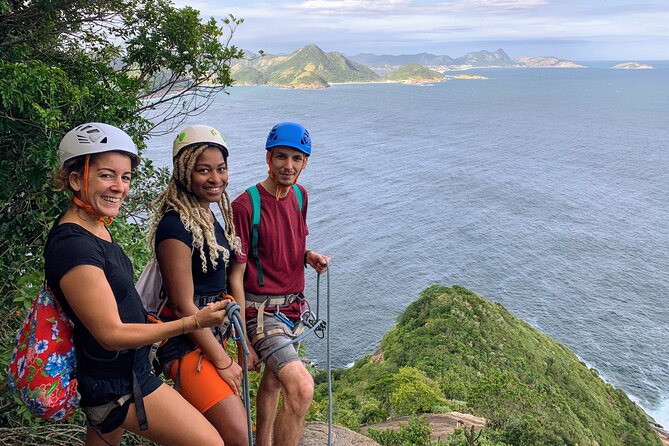
The tour asks for a strong physical fitness level. That doesn’t mean athlete-only, but it does mean you should be comfortable with active climbing plus hiking over rough terrain.
Packing is simple, and you’ll feel better if you follow the suggested list:
- 2 liters of water
- Snacks
- Light clothes, plus a windbreaker or rainjacket
- Sunglasses, sunblock
- Bug repellent
- A plastic bag for trash
- Your camera
For shoes, stick to sport or hiking shoes. If you have climbing shoes, bring them, but don’t stress if you don’t.
One last practical note: weather matters. This experience requires good weather, and if it’s canceled due to poor conditions, you’ll be offered a different date or a full refund.
Who Should Book This Sugarloaf Climb
This is a strong fit if you:
- Want more than a typical Rio viewpoint stop
- Like hands-on activities with real instruction
- Are comfortable climbing on rope and rock, as long as your guide is right there with you
- Prefer a small group over a big tour crowd
It’s not a fit if you:
- Are scared of heights
- Don’t have the stamina for about four hours of active walking and climbing
- Don’t want to wear proper footwear (remember, no sandals)
Minimum age is 10 years, and minors must be accompanied by an adult. That makes it possible for families who have a kid ready for an active outdoor challenge, not just sightseeing.
Should You Book It?
If you’re the type of traveler who likes your vacation stories to include something you actually did, this is a great call. The safety structure plus the included cable car makes the day feel balanced: you get the climb, then you slide into recovery mode with the descent.
If heights are an issue for you, don’t bargain with yourself. Pick a non-climbing Sugarloaf visit instead, because this one requires calm under exposure.
My decision rule is simple: if you can handle a controlled climbing experience and you’re ready to commit about half a day to real effort, book the Sugarloaf climb. It’s one of the few ways to see Rio that doesn’t feel like standing still.
FAQ
Where is the meeting point for the Sugarloaf climb?
You’ll meet at Praça Gen. Tibúrcio, 75 – Urca, Rio de Janeiro – RJ, 22290-270, Brazil.
What time does the tour start?
The start time is 2:00 pm.
How long is the experience?
The duration is approximately 4 hours, though it may vary depending on group size and weekday.
What is included in the price?
Included are the rock climbing instructor (English, Spanish, Portuguese), all necessary safety equipment, and the cable car descent to Morro da Urca. Cable-car tickets are included.
Do you pick up and drop off guests?
No. Pick up and drop off are not included.
Is there a minimum age?
Yes, the minimum age is 10 years, and minors must be accompanied by an adult.
What should I wear?
Wear sport or hiking shoes only, and do not wear sandals. If you have climbing shoes, you can bring them, but they are not mandatory.
Is this tour okay if I’m afraid of heights?
No, it is not recommended for people who are scared of heights.
What happens if it rains or weather is poor?
The experience requires good weather. If it’s canceled due to poor weather, you’ll be offered a different date or a full refund.
Is there a tolerance for late arrival?
Yes, refunds are not issued if you miss the activity due to late arrival, with a tolerance of 10 minutes.
More Tour Reviews in Rio de Janeiro






More Rope Work on Rio Granite






Still on Sugarloaf? More Cable-Car Trips





Sugarloaf Mountain Experiences, compared.
 ★ 4.6Sugarloaf Cable Car Official TicketFrom $462,873 reviews
 ★ 4.5Rio: Christ the Redeemer, Sugarloaf, Selaron & BBQ LunchFrom $692,428 reviews
 ★ 4.0Skip the Line to Christ Redeemer, Sugar Loaf and Barbecue LunchFrom $113593 reviews
 ★ 4.6Christ the Redeemer and Sugarloaf Tour with…From $141499 reviews
 ★ 4.4Rio: 5-hour Christ the Redeemer and Sugarloaf Express TourFrom $109407 reviews
 ★ 4.8Rio: Christ the Redeemer Early Access and SugarloafFrom $125404 reviews
 ★ 4.5Two of Rio’s Best: Christ the Redeemer & Sugarloaf Mountain Half-Day TourFrom $118294 reviews
 ★ 4.0Rio: Sugarloaf Cable Car and Corcovado Train TicketsFrom $86267 reviews
Also filed under