
Review · WALKING TOURS
Little Africa – Walking tour from the passed to the future
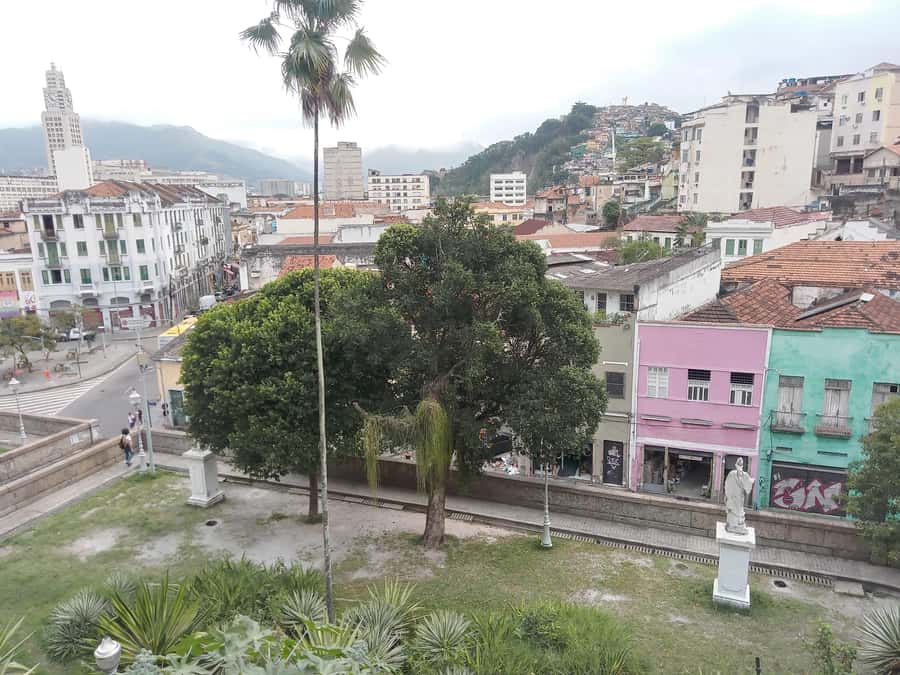
Rio has a second history door. This 3-hour Little Africa walking tour traces Black heritage in downtown Rio, walking the alleys where African arrivals shaped the city.
I especially like how the guide turns street-level remnants into a clear story. You’re not just looking at old walls, you’re learning how the area functioned as an entry point, with a slave-era open market, stores, houses, and graveyards woven into the walk.
One consideration: English quality can vary, and part of the experience may require extra museum entry fees that are not always baked into the tour. If you’re booking for English, plan to double-check the language you want, and keep a little flexibility in your budget.
Key highlights worth planning for
- Past-to-future theme: the walk connects what happened then with what’s happening now
- Street-level history: market, houses, and graveyard-linked areas come up along the route
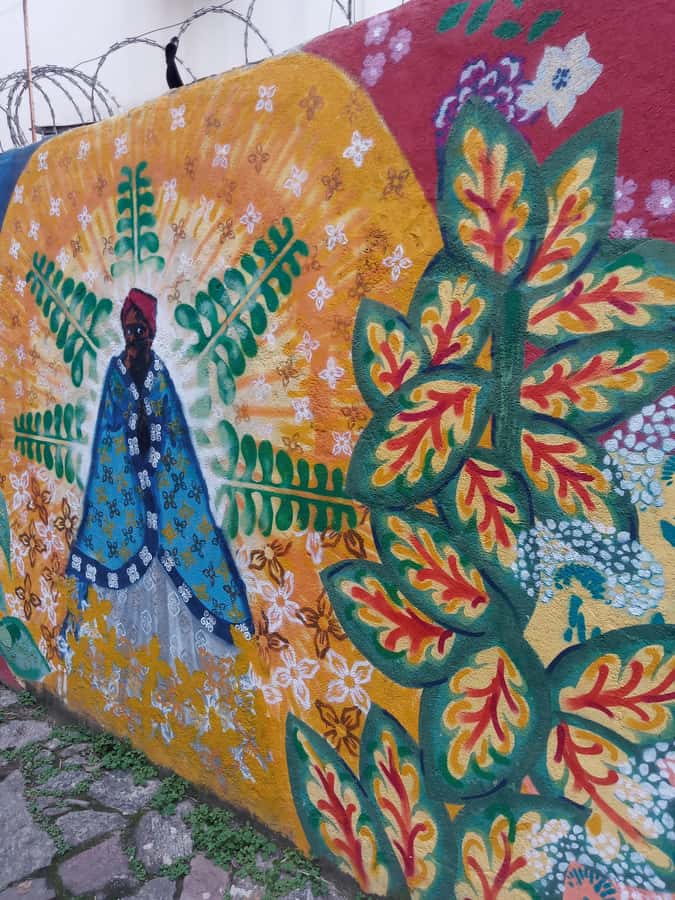
- Art and culture focus: you’ll see how cultural expression carries the story forward
- Live guide in EN, PT, ES: real-time explanations throughout the 3 hours
- Emotional subject matter: you should expect moments that hit harder than normal sightseeing
- ID needed to join: bring your ID or a copy, or you may not be able to start
Why Little Africa matters, even if you think you know Rio
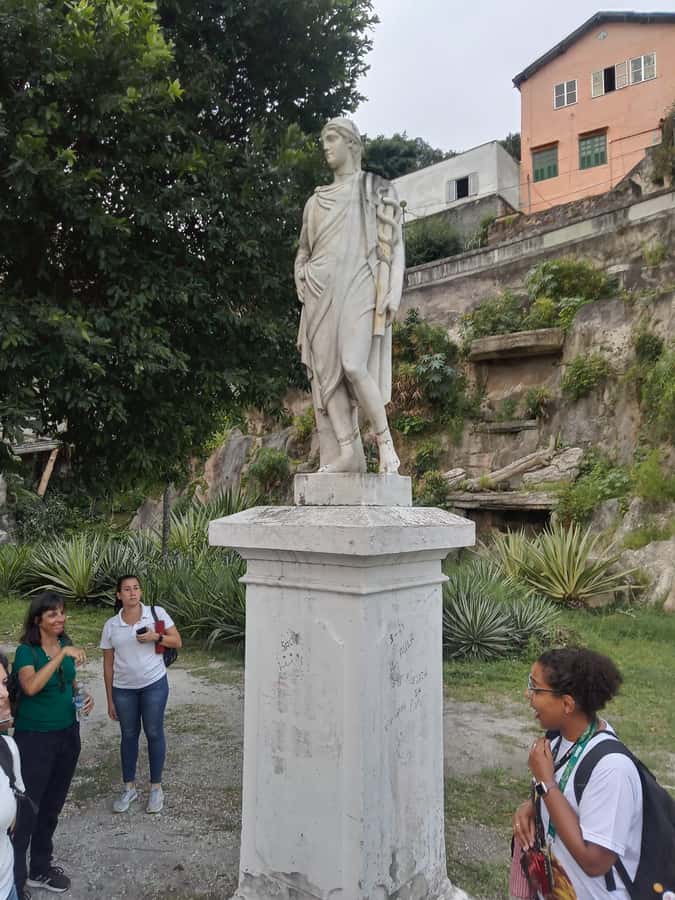
Rio is famous for beaches and big-name monuments. This tour is different. It focuses on the parts of Rio that formed through African presence, including the human systems created by the slave trade.
In Little Africa, history is not some distant museum label. It’s tied to the ground you walk on, the corridors you pass through, and the way the guide points out what survived. That’s why so many people get emotional during the tour, and why the tone matters. You’re learning in a respectful, reflective way.
If you like your history grounded in real places, this is a strong match. And if you want more than a list of dates, you’ll enjoy the way the narrative links African heritage to what Rio became culturally.
The 3-hour rhythm: meeting in downtown and pacing your attention
You meet in downtown Rio de Janeiro, and then you’re on your feet for about 3 hours. That timing is long enough to feel like a real walk, but not so long that you’re wiped out before lunch.
Because the tour is a guided walking route, your main job is to show up with ready ears. Wear comfortable shoes and keep your phone charged for photos if you want them, but the storytelling is the headline here. You’ll get the best experience by listening all the way through, not just checking highlights.
Also plan for a mental shift. This tour covers slavery-era history and remembrance spaces. It’s not a casual stroll where you can skim and move on. If you want to treat the subject with the seriousness it deserves, you’ll feel glad you came.
Walking the old entry zone: alleys, market life, and memory sites

The heart of the tour is the Little Africa area itself, described as the entrance point in Rio for men, women, and children coming from the African continent. That includes the kind of daily commercial life that grew around this zone, including a slave open market, plus stores and houses.
As you walk, the guide’s remarks help you connect what you see to how the place worked in real life. You’re following a historical logic, not random stops. The alleys matter because they shape the city’s movement patterns, the way people gathered, and the way the story would have been lived day to day.
One of the most important parts is the presence of graveyard-linked memory. The tour doesn’t treat this lightly. You’ll be prompted to stay respectful, which is exactly what you should do here.
Practical takeaway for you: slow down your sightseeing mode. If you rush past an alley and snap a photo, you’ll miss why that alley is part of the narrative. Let the guide point, explain, and guide your attention.
How the story connects past to future, not just back in time

The title includes from the past to the future, and that’s not marketing fluff. The experience is built around more than what existed during the slave era. It also highlights art and culture, showing how African heritage shaped Rio’s identity beyond those dark chapters.
You’ll see why the story is still alive. Culture is not a separate topic from history here. It’s one of the ways communities carried memory forward, transformed pain into expression, and turned heritage into something public and lasting.
This forward-looking approach is one reason the tour feels powerful rather than purely grim. You can finish the walk with a clearer sense of how Afro-Brazilian culture continues to shape the city, through creative expression and ongoing traditions.
If you want a tour that adds meaning instead of just facts, you’ll likely appreciate this structure. It’s harder to forget, and easier to connect to the Rio you’ll see after.
The guide experience: what strong storytelling looks like
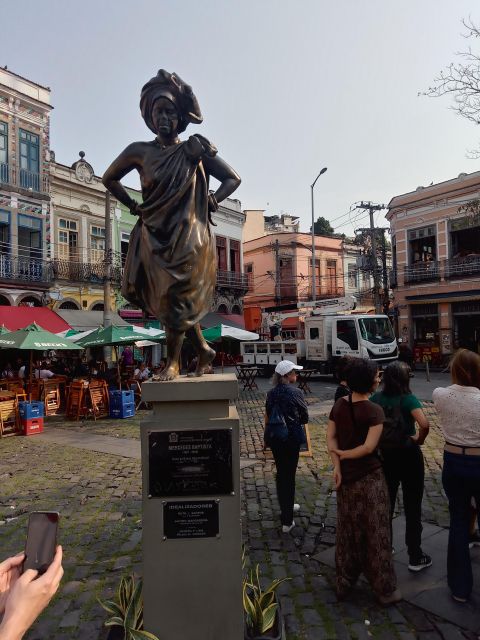
The tour runs with a live guide and offers English, Portuguese, and Spanish. In my opinion, the guide is everything on this kind of route. The places are real, but your understanding depends on how the story is delivered.
From what I’ve seen in guide feedback, the best moments happen when the guide can make the setting feel present. People praised guides like Larissa for passion and the ability to tell the story in a way that puts you there. Gabriela and Luana were also praised for knowledge and a personable approach that builds context as you walk.
On the other hand, there have been complaints about English clarity with a guide named Danielo, where the group had trouble understanding him. That doesn’t mean the tour is bad in English, but it does mean you should pay attention to language fit.
My practical advice: if English is your only option, consider booking with care and go in prepared to ask short follow-up questions if anything feels unclear. If Portuguese or Spanish is an option for you, the experience may feel smoother and more connected.
Museums and the one extra surprise to budget for

One tricky detail to plan for: an additional museum entry fee may come up on the route. In one case, a stop required extra payment that was not expected.
Here’s the smart way to handle this. Budget a bit of flexibility beyond the tour price so you’re not stressed if a museum door opens during the walk. Since the tour includes guide service, but excludes food, beverages, transportation, and souvenirs, it’s reasonable that some admissions might not be fully covered.
Also note that a planned art-focused moment at a museum may not always be included as part of the tour experience. Translation: don’t assume you’ll get a specific exhibit as part of your ticket. If an exhibit matters to you, ask the guide in advance what you will actually have time for.
Price and logistics: how to judge value without getting blindsided
The tour price has a two-part structure. You book a reservation payment online, listed as US$32 per person. Then there is an additional amount paid directly with the guide, listed as R$160 per person.
The total of payment is also stated as R$310 per passenger. Either way, the key value lesson for you is the same: don’t budget only the $32 reservation amount. You should plan for the full total.
There’s also a payment detail to know. Payment by credit or debit card includes 5% of taxes, so your final card charge may be higher than the sticker price you see on the reservation screen.
Is it good value? For this topic, I think it can be, because you’re not just buying entry to a building. You’re paying for a guided narrative on a walking route that includes places tied to market life and graveyard memory, plus a cultural through-line. That kind of interpretation is hard to replicate on your own, especially if you want the context and emotional framing done respectfully.
Budgeting tips for real life:
- Bring enough funds for the extra guide payment and the possibility of extra museum entry
- Wear comfortable shoes, since you’re paying for time and explanation, not a short stop
- Skip expensive plans right before or after, because the tour is 3 hours and the subject needs focus
Children and family-fit: what the age pricing suggests
This is offered with specific child pricing rules. Children from 05 to 10 years old get 50% discount. Children from 00 to 04 years old are free on the parent’s lap.
For the additional part paid to the guide, children 03 to 10 years old are half price. That overlap suggests the operator is building flexibility for younger kids, but you still should confirm the final number for your exact ages before you go.
Is it a good family tour? If your child can handle historical topics with sensitivity, it can work well. But don’t assume it’s kid-friendly in the typical entertainment sense. The walk is about Black history, heritage, and memory. Keep expectations realistic, and be ready for emotional moments.
For families, I’d also plan for shorter attention spans by deciding how you’ll manage breaks. The route is a walking tour, and the best parts depend on listening.
What you should bring to avoid friction
The tour requires ID or a copy, and that’s not optional. Bring your ID card or a clear copy, especially if you’re using a phone for everything else.
Since food and beverage are not included, plan your hydration and snacks around the walk. Also, transportation is not included, so you’ll need to handle your own getting-to-the-meeting-point plan.
And because souvenirs are not included, don’t count on a post-tour shop stop to replace an off-hand purchase you might want. If you want something, plan your spending separately.
Who should book this tour, and who might look elsewhere
This is ideal if you want:
- A Black heritage focus that connects African presence to modern Rio
- A guided walking format that uses alleys, remnants, and historical context
- A past-to-future narrative with art and culture woven in
It may be less ideal if:
- You only feel comfortable with English delivery and cannot handle communication gaps. English quality has had mixed feedback.
- You’re expecting a super light, entertainment-first sightseeing route. The subject matter can be heavy.
If you love history but also care about respectful storytelling, you’ll probably walk away feeling you saw Rio more honestly than the standard highlights.
If your travel style is strict and you hate surprises, budget for the possibility of extra museum entry fees. That way, you stay relaxed if a stop changes how you spend.
Should you book Little Africa from the past to the future?
I’d book it if your trip in Rio needs a meaningful historical anchor and you like walking tours with context. The format fits the topic well, and the past-to-future angle gives the walk a direction beyond remembering what happened.
Before you commit, do three quick checks:
- Plan your full budget, including the extra R$160 paid to the guide and possible additional museum fees
- Confirm the language you want, especially if you’re booking in English
- Bring ID and wear comfy shoes for a focused 3-hour walk
If those boxes check out, this is the kind of tour that makes Rio feel bigger and more human, not just prettier on postcards.
More Rio De Janeiro at Street Level






More Tours in Rio De Janeiro




More Tour Reviews in Rio De Janeiro



Walking Tours, compared.
 ★ 4.8Rocinha Favela Walking Tour with Local GuideFrom $363,052 reviews
 ★ 4.7Rio De Janeiro: Half-Day Rocinha Favela Walking TourFrom $352,272 reviews
 ★ 5.0Sunrise and Sunrise Walk Two Brothers with Local GuideFrom $64193 reviews
 ★ 4.9Little Africa Heritage Walking TourFrom $40177 reviews
 ★ 4.8Paraty: Historic Centre Walking Tour & Cachaça TastingFrom $1996 reviews
 ★ 5.0Learn the History of Rio with an Unforgettable City Center Walking TourFrom $4982 reviews
 ★ 4.5Rio’s city walking tour: a glimpse of history and olympic legacyFrom $6078 reviews
 ★ 5.0Walking tour of the bohemian neighborhoods of Santa Teresa and LapaFrom $7259 reviews
Also filed under