
Review · WORKSHOPS
Rio de Janeiro: Brazilian Cooking Class in Rio de Janeiro
Cooking at a Rio studio beats guessing menus.
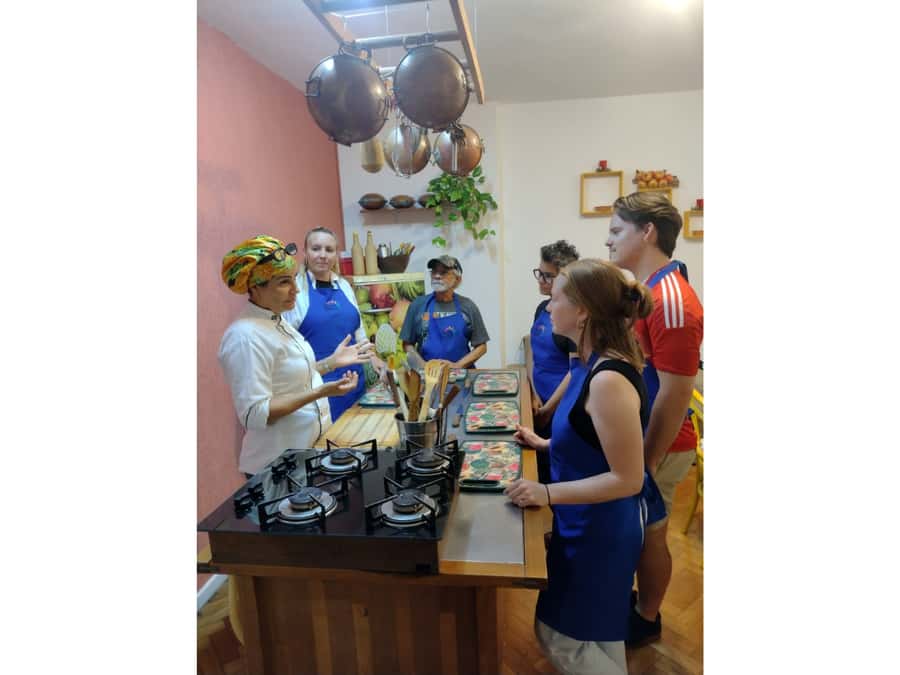
This hands-on Brazilian cooking class in the Copacabana region gives you a simple, social way to learn how Brazilian favorites come together, with an experienced native chef guiding the steps. I like that it is small, focused, and practical, not just a cooking show, and that you cook and eat what you make.
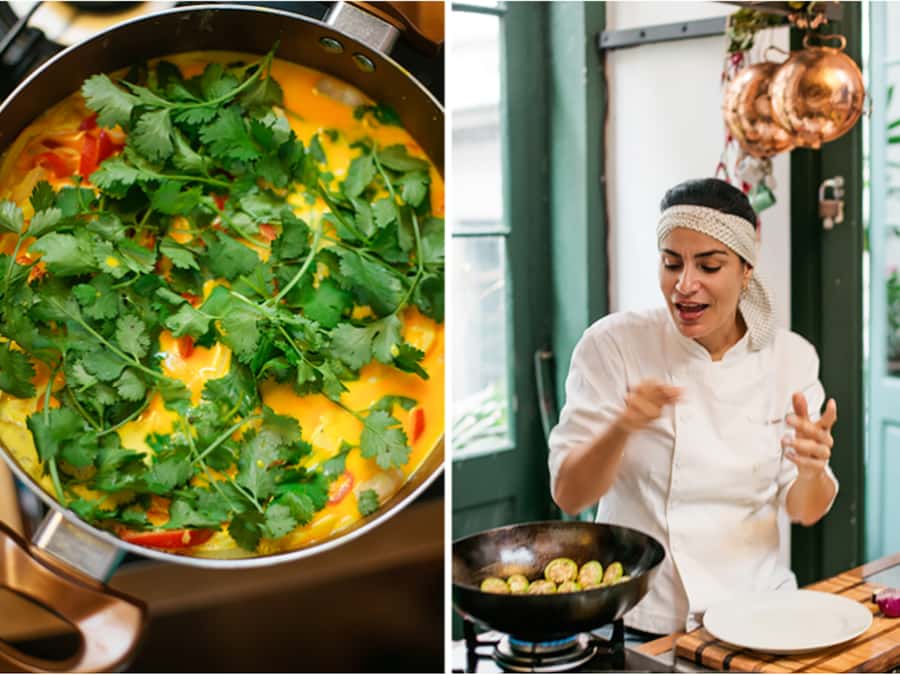
My favorite part is the personal energy you get from the instructor, especially Chef Simone, who brings an easy, safe atmosphere that makes it feel like you are hanging out with people, not sitting in a classroom. I also love the day-to-day swap in the main dish, with seafood moqueca on Mon, Wed, and Fri, and black bean feijoada on Saturday. One drawback to plan around is that transportation is not included, so you will need to get to the studio on your own.
Key points before you go
- Small class size (max 7), so questions actually get answered while you cook.
- Main dish depends on the day: moqueca on Mon, Wed, Fri, feijoada on Saturday.
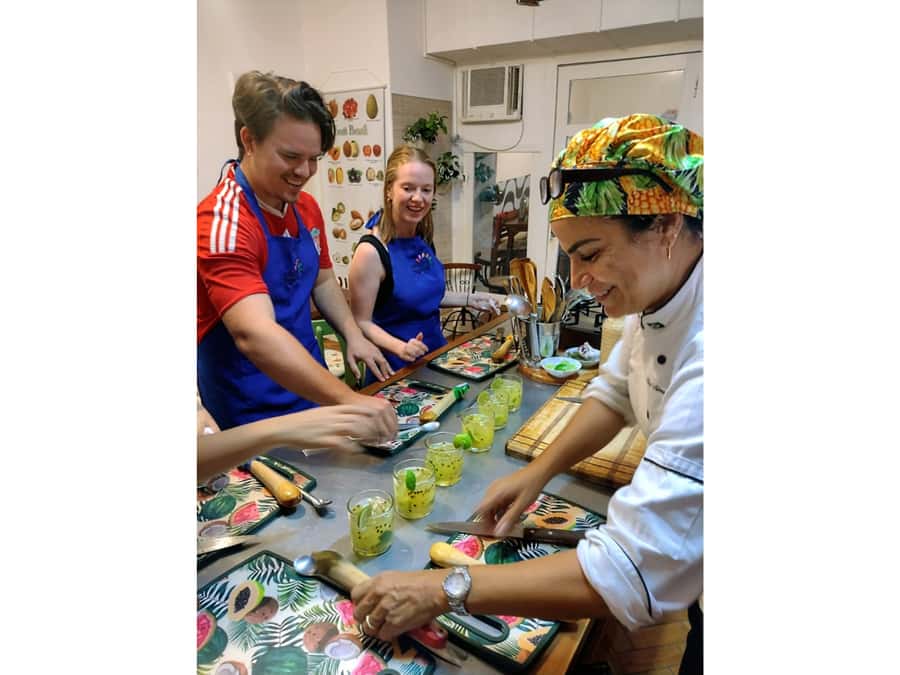
- You cook 5 dishes and sit down to eat them, plus get 2 drinks.
- Chef Simone’s approach is friendly and attentive, with a relaxed vibe that helps solo travelers and couples feel comfortable.
- Surprise dessert changes based on available exotic fruits and what the chef makes, like brigadeiro or doce de leite.
- All ingredients and equipment are provided, so you only show up with curiosity.
Why this Rio cooking class feels more real than a restaurant meal
Rio is full of great food, but a cooking class gives you something restaurants rarely do: cause and effect. You see what happens when you chop, season, and balance flavors, then you taste the result while the steps are still fresh in your head.
This experience is built around Brazilian comfort food you can recognize, like feijoada and seafood moqueca, plus sides and sweet endings that explain why Brazilian cuisine tastes the way it does. The format is also refreshingly straightforward. You learn the techniques and ingredients, you cook the dishes yourself, and then you eat together with drinks.
One more thing I appreciate: the class stays grounded. You are not expected to be a pro. The instructor guides the process and answers questions, and the studio setup means you are working with the right tools and ingredients instead of trying to replicate a recipe from memory later.
Chef Simone, small groups, and the “kitchen conversation” factor
A lot of cooking classes are either too formal or too chaotic. This one leans friendly and structured, with a native chef who also helps translate the food into context and culture. With languages like Portuguese, English, and Spanish, the tone stays welcoming, even if you are not fluent in Brazilian Portuguese.
The class also caps at seven participants, which changes the experience. You get enough space to cook without feeling rushed, and you can actually ask why something works. The vibe is social, too. It is not all about the stove. You are also eating, chatting, and sharing the table with the instructor.
From the style of teaching, you can expect attention to detail. The chef is the point person throughout the lesson, and an assistant (the chef’s daughter) may help during the session. That matters because it keeps things moving while you are learning basics, not just following directions.
If you enjoy talking while you cook, this is a strong pick. If you only want silence and strict technique, you might still enjoy it, but the class energy is clearly human and conversation-friendly.
Moqueca on Mon, Wed, Fri, and Feijoada on Saturday
The main dish is the centerpiece, and it changes depending on the day. That gives you a reason to plan around your schedule instead of settling for whatever is available.
- Mondays, Wednesdays, and Fridays: seafood moqueca
- Saturdays: black bean feijoada
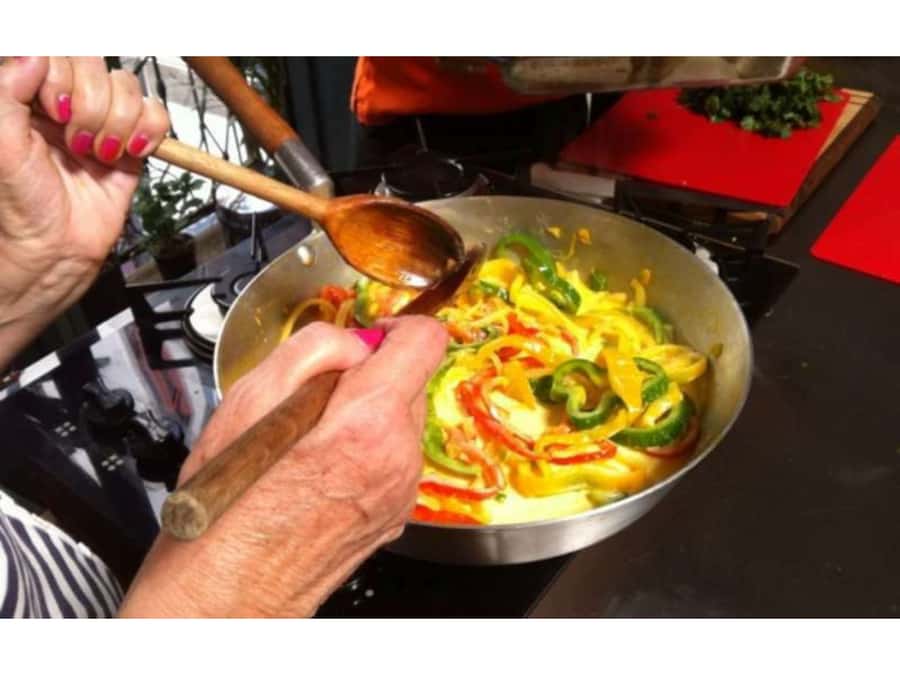
Both options are classic and very “Rio,” and the difference is more than just protein. What you learn from cooking the dish also shapes how you think about Brazilian flavors. You will follow the chef’s process for building the dish, seasoning, and cooking it until it is ready to eat.
If you are deciding based on taste, pick based on what you actually want to eat. Seafood moqueca is your go-to if you want something lighter and seafood-forward. Feijoada is your choice if you want the heartier, bean-and-meat comfort vibe.
Also, this day-based swap helps you compare visits. If you ever come back, you would not feel like you already did the same class.
The full menu you’ll cook and eat, from spicy guava to farofa
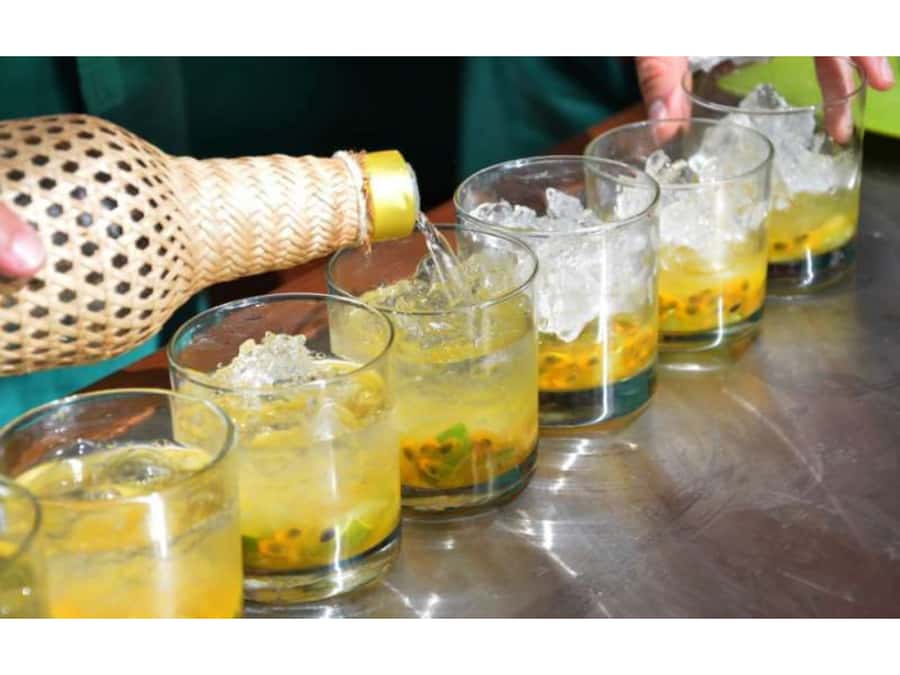
This class is organized around cooking five dishes, and it is paced so you can learn steps without feeling lost. You also get a dessert that changes based on what exotic fruits are available and what the chef is making on her farm, with options like brigadeiro or doce de leite.
Here is what the menu looks like in practice:
1) Fried cheese with spicy guava jam
This is a smart opener because it teaches you early technique without being too complicated. You learn how the cheese works when fried, and the jam gives you that sweet-spicy contrast that is common in Brazilian snacks.
If you like flavor “shocks” that are still easy to understand, this start sets the tone.
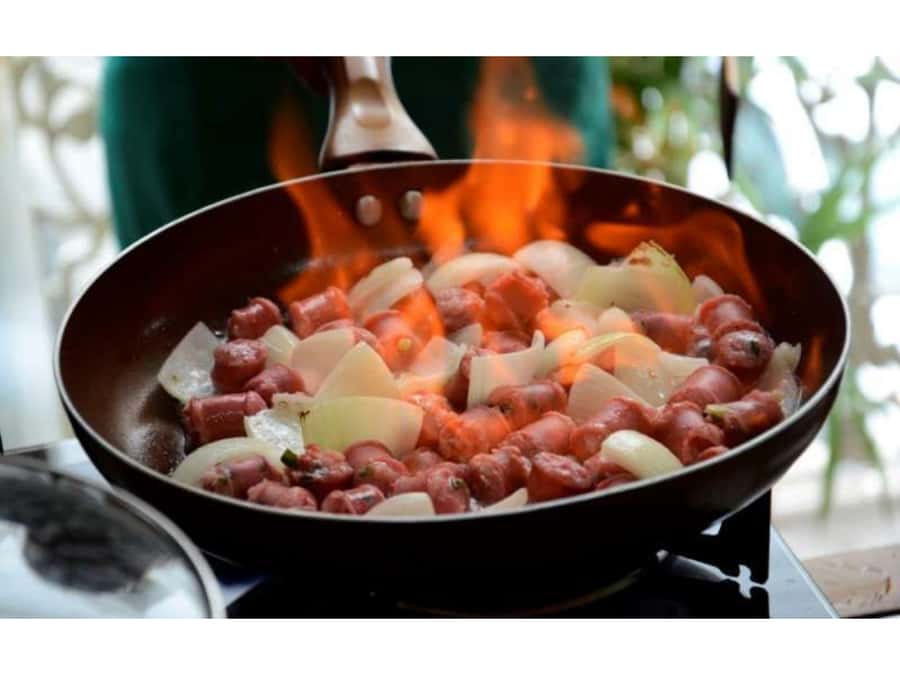
2) Sausage slivers with a light, savory feel
Next comes a savory plate element that builds out the meal. You learn how to handle sausage and cook it until it tastes rich, not greasy.
It is a good step for beginners because you can see progress fast. You are also learning timing, a big part of cooking in general, not just Brazilian cooking.
3) Two drinks to keep you smiling while you cook
You get two drinks included, including a lime caipirinha and a batida de coco. If you already know the caipirinha, expect the familiar lime-forward flavor. The batida de coco brings a coconut creaminess that cools the whole experience down.
These drinks matter because the class is three hours. They help the meal feel like an event, not just a lesson.
4) The main course: feijoada or seafood moqueca
This is the part you are really here for. You will cook the main dish yourself, then sit down later to taste the full meal.
Since the main dish changes by day, you will either focus on seafood moqueca or feijoada, but the learning goal stays the same: understand how the ingredients come together and how the chef guides seasoning and cooking.
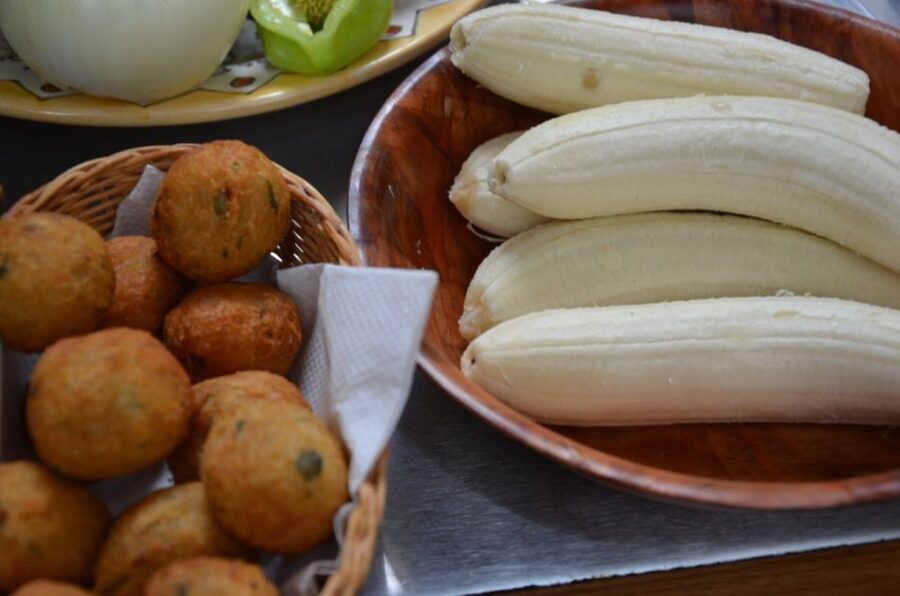
The class also includes cassava sticks as a companion to the meal, which is helpful if you want something to crunch alongside stews and sauces.
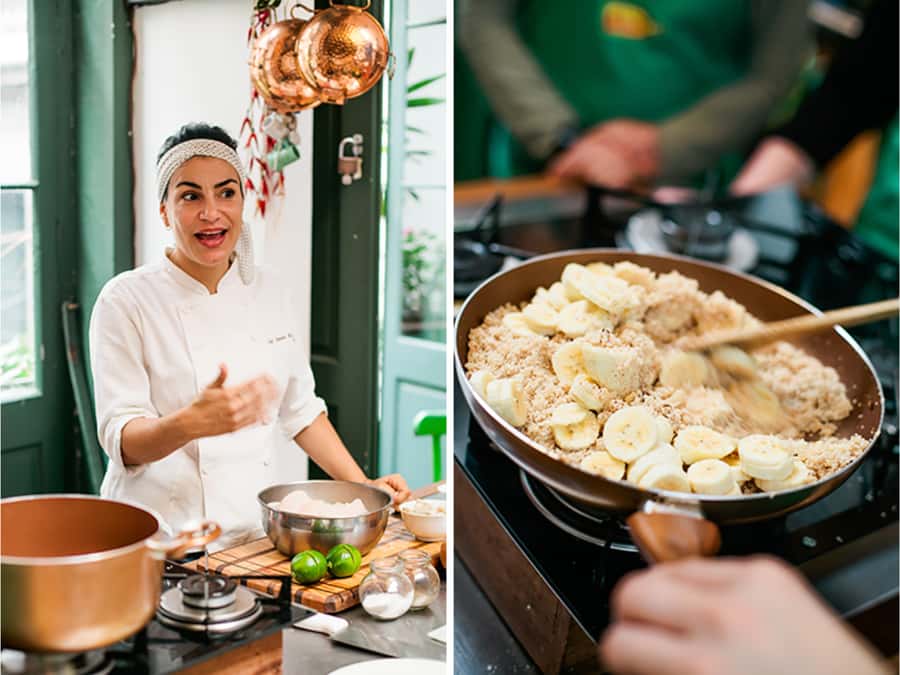
5) Banana farofa with flavored rice
This side is where Brazilian cooking gets its distinctive texture. Farofa brings crunch and a grounded, savory vibe, and it pairs well with both hearty stews and seafood dishes.
Learning this part is valuable because it is not just a random side. It is a core texture in many Brazilian meals, and you can carry it into home cooking later without needing special equipment.
6) Surprise dessert, changing with exotic fruit and what the chef makes
The dessert is a wildcard in a good way. It varies based on available exotic fruits and what the chef produces in her farm. You might end up with brigadeiro or doce de leite.
This is also one of the more “Brazilian homey” touches in the whole experience. Even if you do not make the dessert at home right away, it teaches you that Brazilian sweetness often feels like part comfort food, part celebration.
What the toasting moment is really about
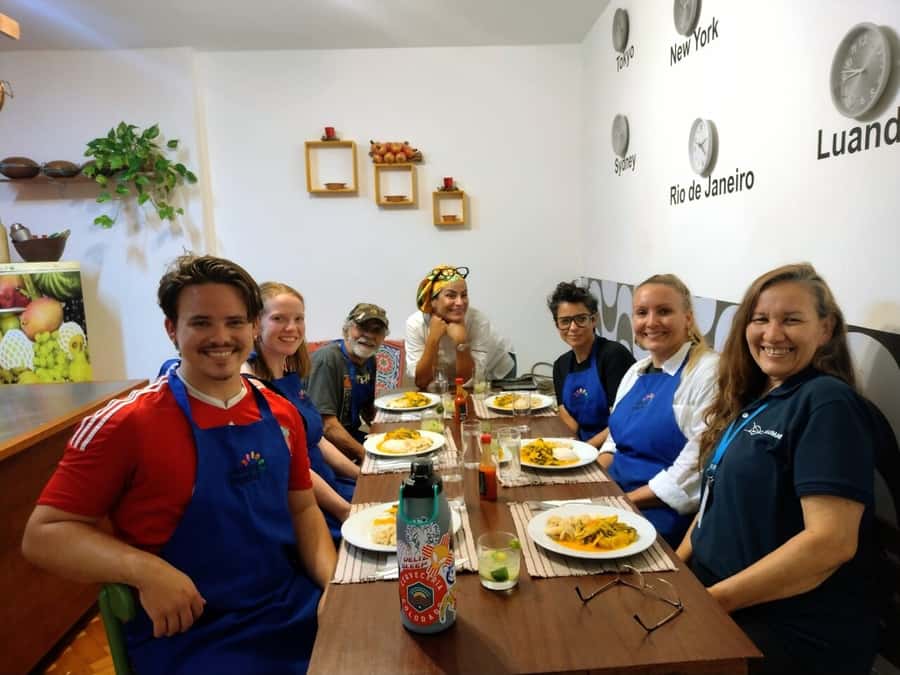
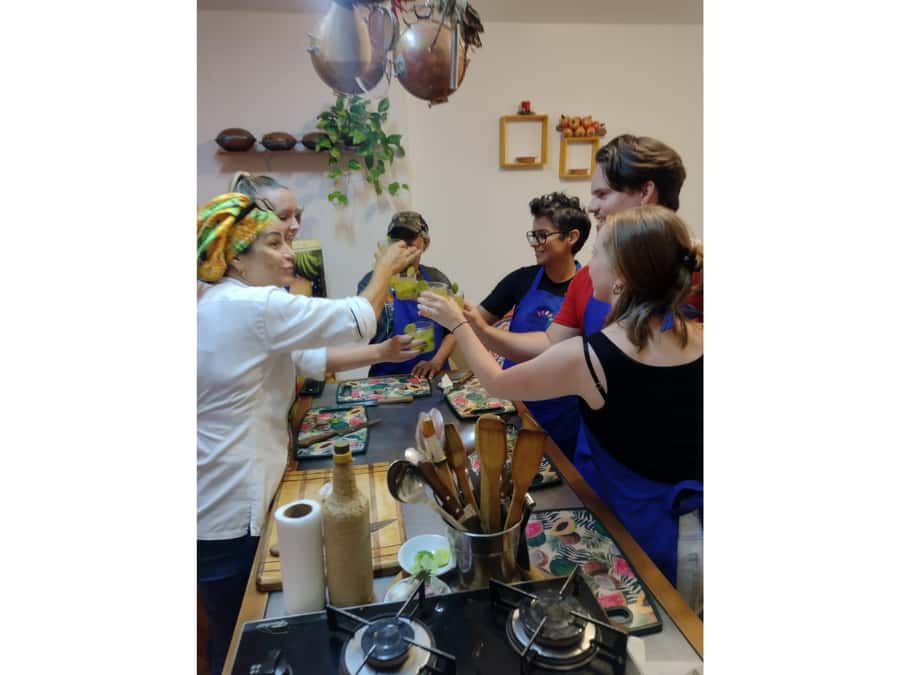
After you cook and the meal is ready, you do not just eat quietly. You sit with the instructor to toast your efforts, then taste the meal together with the included drinks.
That sounds like a small detail, but it changes the class experience. It reinforces that you are finishing something, not just assembling dishes. You get to hear comments from the chef and get a sense of whether your dish is hitting the right notes.
It also keeps the class from feeling transactional. This is not a drop-off activity. It is an actual shared meal moment, which is why solo diners often like it, and why couples often feel like they did more than a standard Rio dinner.
Price and value: is $220 per person worth it?
At $220 per person, this is not a budget activity. But it is also not overpriced for what is included and how the class is run.
Here is what you get for the price:
- A cooking class in a studio setting
- 5 dishes that you help cook
- 2 drinks (caipirinha and batida de coco)
- All ingredients and equipment
- VAT and taxes included
The biggest cost factor you are avoiding is shopping for ingredients and having the kitchen setup. If you have tried to cook Brazilian food at home from online recipes, you know how hard it can be to source the right items and measure correctly without guidance.
The main thing that could affect value for you is the time and the delivery of learning. It is a three-hour experience, and it is focused on getting you cooking. If you are hoping for an all-day culinary deep course, you might want something longer. But for most people looking for a memorable, hands-on taste of Rio, this lands in a fair value zone.
Logistics that matter in Rio: getting to Copacabana
Everything sounds easy, but there is one important practical note: transportation is not included. That means you need a plan to reach the studio in the Copacabana region and then get back.
In Rio, that usually means budgeting time for traffic and figuring out your safest, simplest route. If you are staying near Copacabana, it is likely manageable. If you are farther away, the cost and time of getting there can quietly affect your day.
Also, watch the time description. The class is presented as three hours, while one part of the description talks about a longer four-hour framing. In practice, you should expect a short, focused session where you cook, drink, and eat, but if you are scheduling tight connections, it is smart to double-check the exact start and end time when you book.
Who should book this Brazilian cooking class, and who might not
This class is a great fit if you want:
- A hands-on Rio activity that teaches real technique, not just food facts
- A small-group experience with enough attention to ask questions
- Brazilian comfort food, including a moqueca or feijoada main course
- A social cooking environment where you can talk while you eat
It is especially good for beginners. The lesson is designed so you do not need prior cooking experience. You will still learn what the chef is doing and why.
You might skip it if:
- You hate group activities or conversation
- You are very tight on transportation options and do not want to arrange your own ride
- You are only interested in eating, not cooking
Should you book? My practical take
If you like cooking, or even if you just like eating and want a story to go with your meal, book this. The combination of small group size, a friendly, attentive instructor like Chef Simone, and the fact that you cook and then toast your meal makes it feel like a real Rio experience, not a one-off ticket.
It is also a smart way to experience Brazilian cuisine without guesswork. You leave with a clearer idea of how dishes like feijoada, seafood moqueca, farofa, and classic sweets actually come together.
If you do book, plan for the logistics. Make sure you can comfortably handle getting to and from Copacabana on your own, and pick your day based on whether you want moqueca or feijoada.
FAQ
How long is the Rio de Janeiro Brazilian cooking class?
The cooking class lasts 3 hours.
What main dish do I cook, and does it depend on the day?
Yes. On Mondays, Wednesdays, and Fridays you cook seafood moqueca. On Saturdays you cook black bean feijoada.
What dishes and drinks are included?
The class includes 5 dishes and 2 drinks. The menu includes items such as fried cheese with spicy guava jam, a sausage dish, the main dish (feijoada or moqueca), banana farofa with flavored rice, and a surprise dessert. Drinks include lime caipirinha and batida de coco.
Is transportation to and from the cooking studio included?
No. Transportation, including pick-up and drop-off, is not included.
How many people are in a class?
The class has a maximum of 7 participants, and it is described as a private group.
What languages does the instructor speak?
The instructor speaks Portuguese, English, and Spanish.
Can I pay later, and is free cancellation available?
Yes. You can reserve now and pay later, and you can cancel up to 24 hours in advance for a full refund.
Make Something in Rio De Janeiro





More Cooking Classes in Rio De Janeiro

More Tour Reviews in Rio De Janeiro






Workshops, compared.
 ★ 4.9Beginner Samba Lesson in IpanemaFrom $251,071 reviews
 ★ 4.6Samba Class in CopacabanaFrom $25262 reviews
 ★ 4.6Samba Class and Samba Night TourFrom $63115 reviews
 ★ 4.8Rio: Caipirinha Workshop and Samba ClassFrom $12113 reviews
 ★ 4.5Samba Class in CopacabanaFrom $3552 reviews
 ★ 4.7Surf lessons: in Arpoador in Ipanema.From $3335 reviews
 ★ 3.6Surf lessons with local instructors in Copacabana/ipanema!From $1031 reviews
 ★ 4.8Rio Experience: Caipirinha Workshop (2 Caipis) + Funk ClassFrom $1222 reviews
Also filed under