
Review · DOWNTOWN RIO & OLYMPIC BOULEVARD TOURS
Rio de Janeiro Downtown Tour
Rio’s downtown can feel loud, confusing, and oddly beautiful. This three-hour Rio de Janeiro Downtown Tour strings together the big sights with door-to-door pickup, so you get a working mental map fast. I like the way it hits iconic stops like the Metropolitan Cathedral and the Escadaria Selarón without making you plan a thing.
The other big win is the guide factor. In past groups, guides such as Meilin, Monica, and Cabo have been praised for being attentive and adjusting the pace to what people wanted. The only real drawback to keep in mind: downtown traffic can stretch travel time, and some sights are best seen from the vehicle if your stops get short.
Quick hits (what makes this tour worth your time)
- Small-group, air-conditioned minivan means less stress than public transit in a tight afternoon window
- Maracanã and Sambadrome give you the sports-and-Carnival energy of Rio early in the route
- Metropolitan Cathedral is a modern landmark that feels like a creative reset from the streets outside
- Escadaria Selarón is the kind of place you walk through for photos, color, and craft details
- São Bento Monastery interior is where the tour goes from sightseeing to something genuinely surprising
- Aterro do Flamengo return drive lines up viewpoints along the bay, plus a few major monuments
A Three-Hour Sprint Through Downtown Rio From Your Copacabana Base
This tour is short on purpose. With a duration of three hours, it works best when you have limited time and want a compact, high-impact route instead of a half-day plan. Pickup runs between 2:00 pm and 2:30 pm from many hotels in Leblon, Ipanema, and Copacabana. If your hotel is outside that pickup zone, the meeting point is the Hilton Hotel Copacabana, which is straightforward if you know exactly where you’re headed next.
The route is paced for movement. You’ll spend a chunk of the time riding in an air-conditioned minivan while your guide points out what matters and what to notice. That setup is efficient, but it also explains why some people feel the tour can become more “look and go” than “linger and explore,” especially when traffic piles up.
If you’re the kind of traveler who likes to build confidence quickly, this tour is a strong match. You’ll leave with a practical sense of where things are, which makes your later independent wandering much easier.
Maracanã Stadium And the Sambadrome: Big Rio Energy First
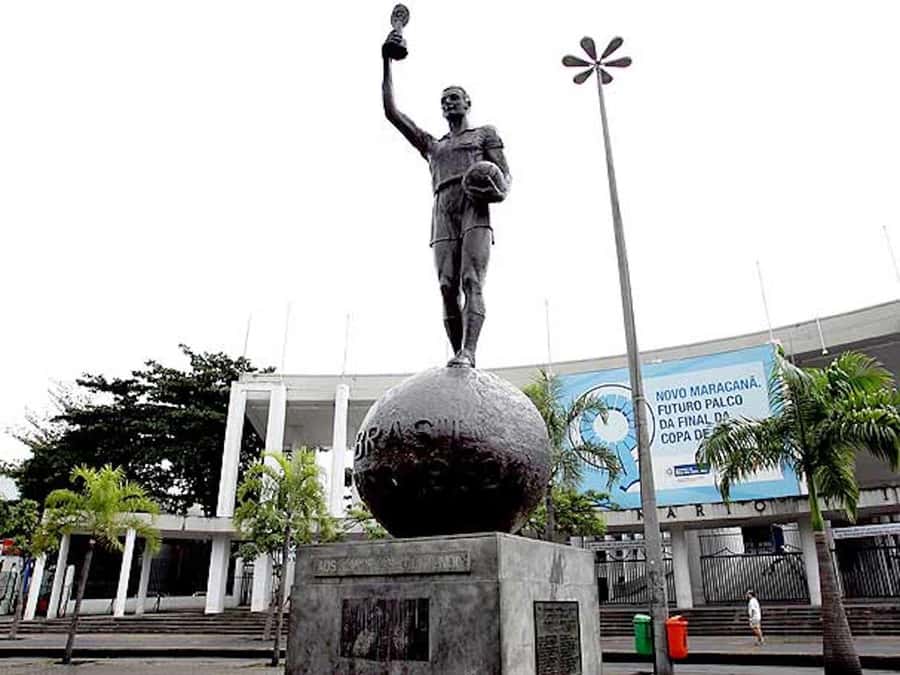
The afternoon starts with a swing by Maracanã Stadium, including the Bellini statue. Even if you are not a hardcore football person, Maracanã is the kind of landmark that instantly signals scale. It’s less about quiet detail and more about understanding how central sports culture is here.
Next comes the Sambadrome, the parade venue for Rio’s main Carnival process. This is one of those stops that helps you see the city’s rhythm. Rio doesn’t just celebrate once a year. The infrastructure, planning, and spectacle are built around the expectation that something huge is coming.
Because this is a brief tour format, don’t expect long on-foot time at each venue. Instead, think of this as a quick orientation to Rio’s major “stages,” so later you know what you’re looking at when you see it from the street or in photos.
Avenida Presidente Vargas To the Palaces And Central Railway Station
After the sports and parade stops, you travel along Avenida Presidente Vargas, one of the downtown arteries. This stretch is valuable because it shows the city’s administrative and institutional side, not only its tourist postcards.
You’ll see the Central Railway Station and two major former government headquarters: Duque de Caxias Palace (linked to the Ministry of the Armed Forces) and Itamaraty Palace (linked to the Ministry of Foreign Affairs). Even from a vehicle, these buildings give you a sense of how power and design were expressed in earlier eras, and how that legacy still shapes the city’s layout.
The route also includes Campo de Santana and continues via Avenida Passos to Tiradentes Square. That sequence matters. It’s the difference between just naming attractions and actually seeing how they connect, block to block, plaza to plaza.
One consideration: short stops mean you may mostly observe from the sidewalk or through a window, depending on the flow of traffic and crowding. If you’re hoping for deep time at each architectural landmark, you’ll feel the time limit. If your goal is getting an efficient overview, this section does the job.
Tiradentes Square, Lapa Arches, Lavradio Street, And Avenida Chile
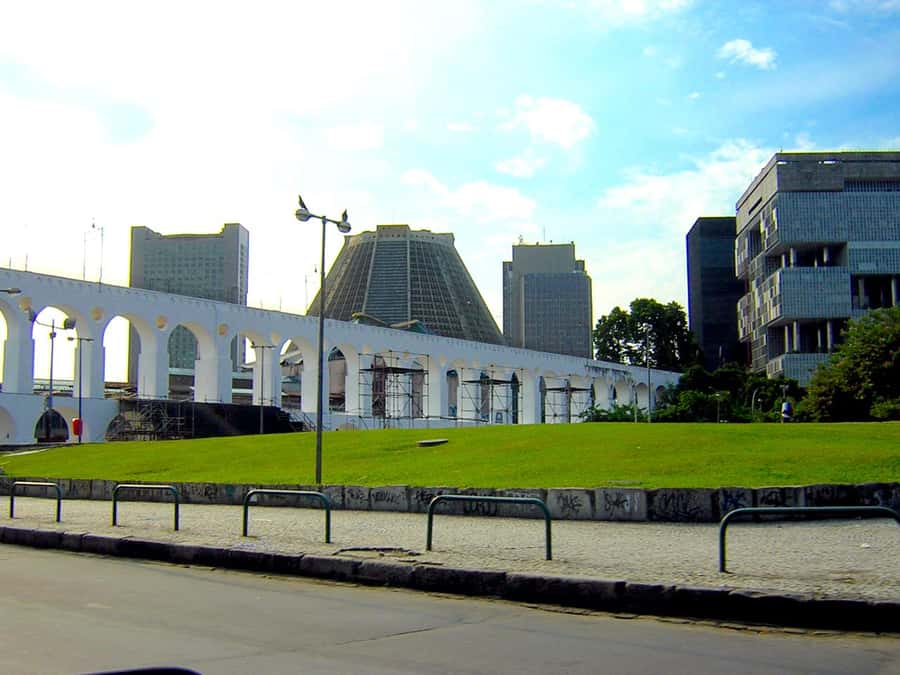
This is where the tour shifts from civic landmarks to street-level downtown character. You’ll pass Tiradentes Square, then move toward the Lapa Arches area and through Lavradio Street and Avenida Chile.
Lapa is one of those neighborhoods where the city feels like it’s in constant conversation with itself. The arches are a strong visual anchor, and Lavradio is the kind of street that rewards quick stops because you can sense what the area is like even if you don’t stay long. You’re not just ticking off points on a list. You’re building a route that makes sense for later exploration.
Avenida Chile helps tie the geography together. It’s part of the way downtown streets funnel you from major landmarks into the more expressive parts of town. Even if you only have a moment to look around, the street scenes you notice become useful reference points.
If you’re a photo person, this stretch is good for quick captures. If you prefer museum-level attention at every stop, the timing can feel rushed. The upside is that you’ll know where you want to return after the tour ends.
Metropolitan Cathedral: A Modern Landmark With Serious Presence
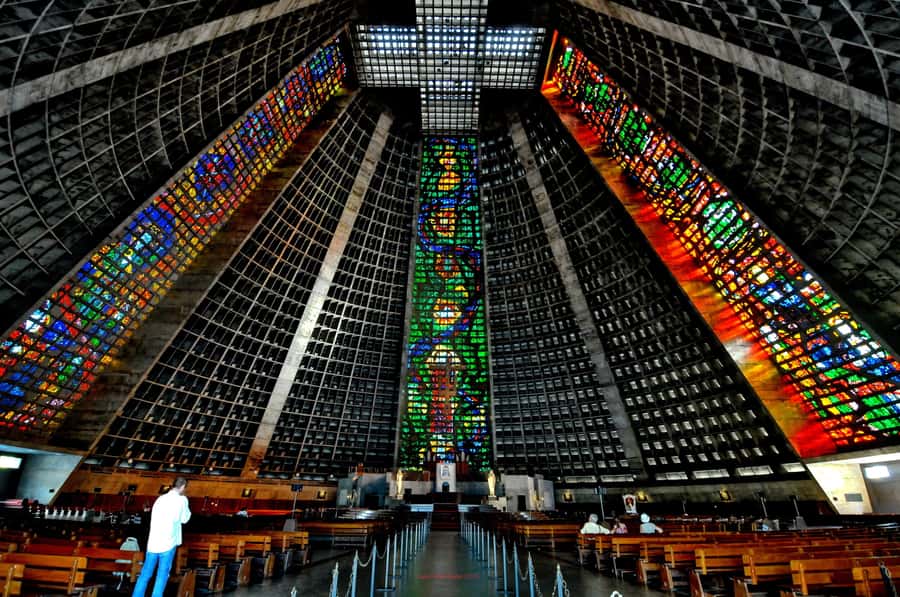
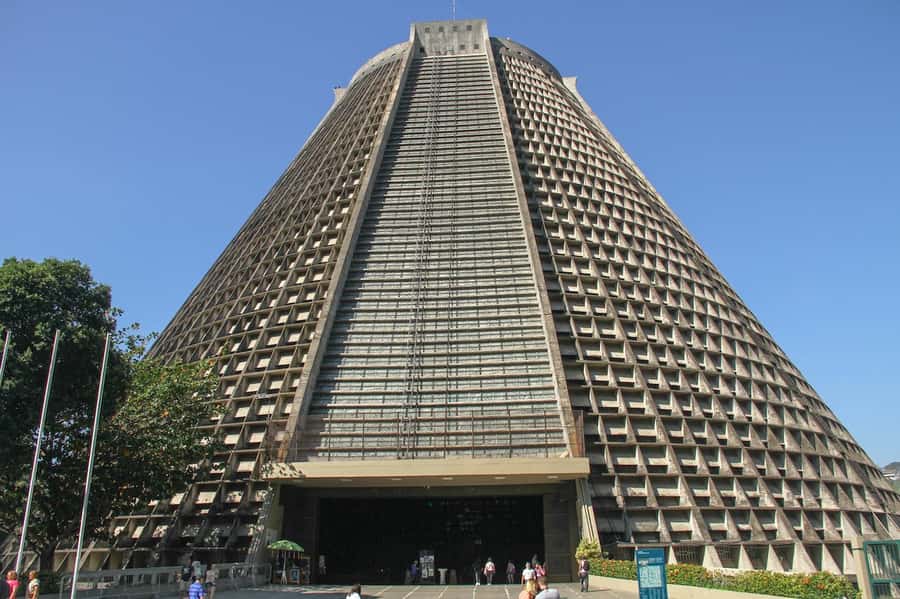
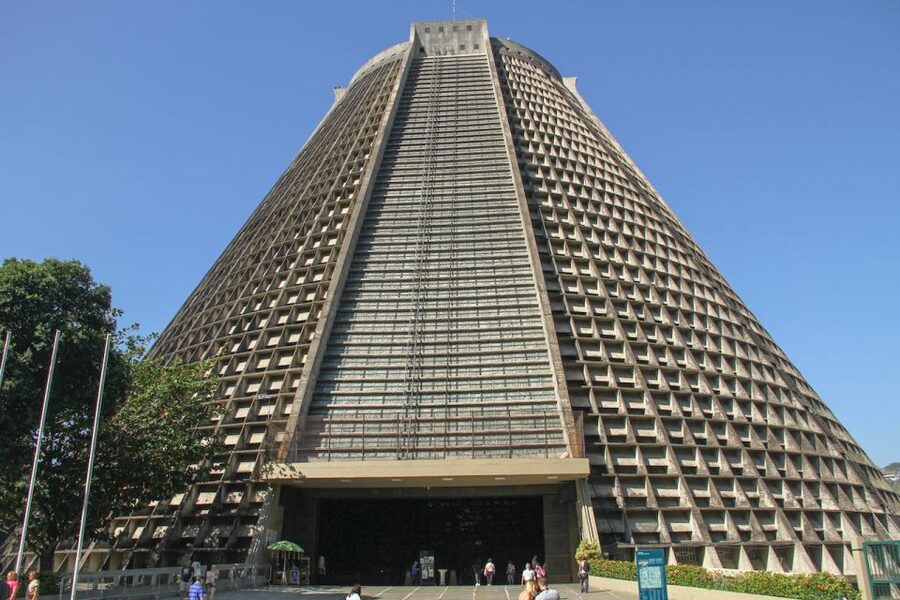
Then you reach the Metropolitan Cathedral, known for its cone-shaped design. This is a classic “stop and look longer” attraction in the route because it doesn’t feel like the other downtown buildings. It’s described as a Brazilian landmark and also a modern art masterpiece, which is exactly how it comes across when you’re standing close.
Why it works in a short itinerary: it gives you contrast. After institutional plazas, palaces, and street corridors, the cathedral’s modern form breaks the pattern. It’s not trying to imitate the past. It’s its own statement.
Even with limited time, you’ll usually have enough of a window to orient yourself and take in the scale. If you only do one interior-like architectural moment on this afternoon, this is often the one you remember because it changes your sense of what downtown Rio can look like.
Escadaria Selarón in Lapa: Color, Craft, And a Human Tribute
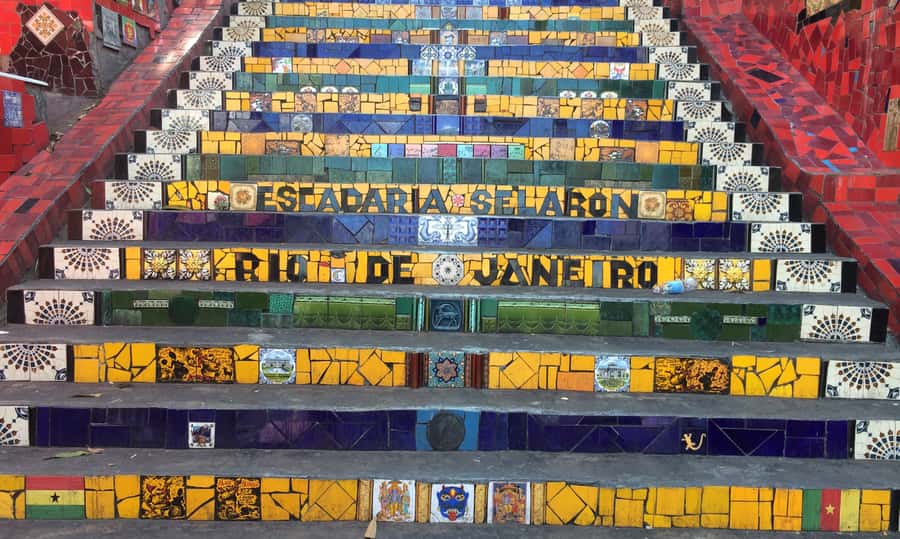
Next comes the bohemian neighborhood of Lapa, with the Escadaria Selarón, one of the most original staircases in the world. This stop is a highlight for a reason: it’s not just a backdrop. It’s a story you can walk through.
The steps are famous for their bright color palette, tied to the Brazilian flag. Those colors are part of a personal tribute by the artist Jorge Selarón to the Brazilian people. That detail turns what could be just a photo stop into something more meaningful. You’re looking at public art that carries a human message.
In practice, the pace matters. You might find the area busy, and the staircase is built for browsing, not speed. Because the tour is only three hours, your time here depends on how the rest of the route goes. If you care about photos, I’d treat this as the moment you slow down, even if you only have a short window.
If you want a strong “Rio street art” memory, this is the stop that usually delivers.
São Bento Monastery: The Exterior Is Simple, the Interior Is Not
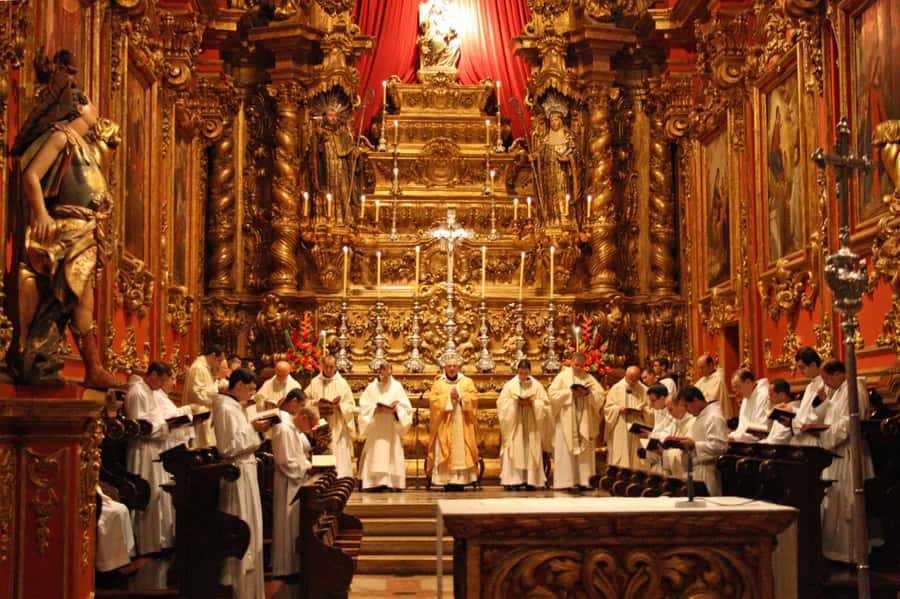
One of the most satisfying parts of the day is the São Bento Monastery. It has been compared to a museum, and that comparison makes sense once you’re inside.
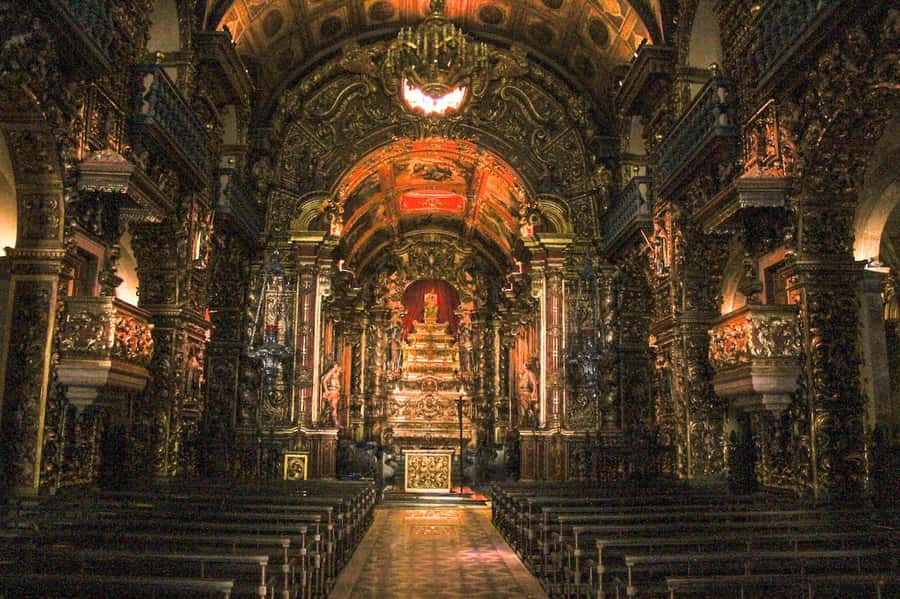
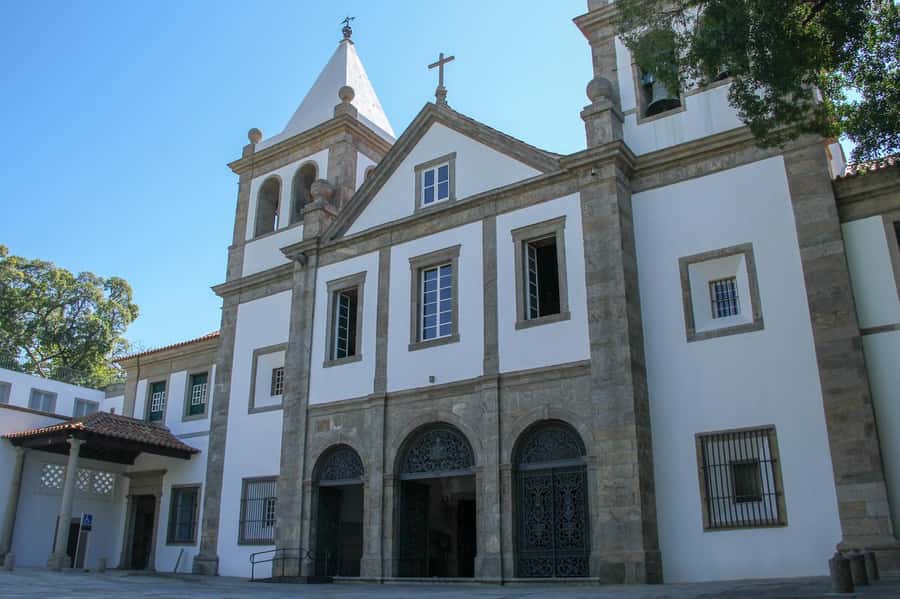
Here’s the key contrast: the exterior has a purposely simple, austere feel. Then the interior hits you with visual richness. You’ll see gilded Baroque engravings with plant motifs, plus exuberant Rococo style in features like the high altar and cross vaulting. The chapel of the Santíssimo Sacramento is another interior focus point highlighted for its ornate detail.
Why this matters on a short tour: it’s one of the only stops where the payoff comes from staying with what’s in front of you. You’re not just seeing a building. You’re seeing the inside reveal, which gives the afternoon a stronger emotional arc.
If you are hoping to spend more time anywhere, this monastery is a great candidate. Even when your stop is brief, the visual contrast is so dramatic that you still feel like you got something out of it.
Aterro do Flamengo Return Drive: Modern Art, WWII Monument, And Bay Views
On the way back, the route runs along Aterro do Flamengo, which is helpful because it shifts your perspective from dense downtown streets to broader views. You’ll pass by the Museum of Modern Art and the Monument to the Fallen in World War II.
You also see the Church of Outeiro da Glória and get views toward the beaches of Flamengo and Botafogo. This matters because it gives you a breath of visual space. Rio is more than monuments and plazas. You’re seeing where the city meets water, and that helps your mental map stick.
Again, timing can limit how long you linger. But the return stretch is often a calmer section, and it’s a good place to watch the city’s shape change from inland streets to waterfront energy.
The tour ends back at your hotel area in Copacabana, Ipanema, or Leblon.
Guide Quality, Language Choices, And the Small-Group Effect
This tour includes a professional guide and uses a small-group format, which is especially useful when your time window is tight. With fewer people, questions are easier to ask and the guide can adjust attention where it’s most helpful.
Languages offered are Spanish and English. That makes it more comfortable if you want explanations without guessing, and it usually leads to a better experience when you’re moving between architectural and street-art sites quickly.
In prior groups, guides such as Meilin have been praised for transmitting real passion for the country and adjusting the itinerary based on interests. Others, like Cabo and Monica, have been noted for being attentive and entertaining. Mailee also stood out for an excellent tour experience. The takeaway for you: you’re not stuck with a rigid script, and a good guide can help you get more meaning out of a short itinerary.
Price And Value For $74: What You Get In Three Hours
At $74 per person, the price is mainly for three things: guided interpretation, door-to-door transport from many hotels, and a compact route that strings together multiple major landmarks. You are paying for the convenience of not having to connect these sites yourself across a traffic-heavy part of town.
If you compare this to doing it solo, you’d spend money on taxis or ride-hailing plus time figuring out transit. But if you’re expecting long, slow, in-depth visits at every stop, this price might feel tight because the tour is designed as a fast overview.
One thing to watch is the balance between riding and getting out. Traffic can cause more time in the minivan and shorter stops. If you know you do better with deeper walking time, plan to use this tour as the orientation phase, then come back later on your own for the stops you loved most.
Who This Downtown Rio Tour Suits Best
This tour fits first-time Rio visitors and anyone short on time who still wants to see the big downtown “signature” sites. It’s a smart choice if you like architecture, street art, and a sense of how different parts of the city relate to each other.
It’s also a good match if you enjoy being told what to notice. With a live guide in Spanish or English, you’ll likely understand why each location matters, which can turn a quick stop into a memorable detail.
You might want to choose another option if:
- you strongly prefer long visits and hate feeling rushed
- you want guaranteed extended time inside multiple interiors
- you want a trip that is more about walking neighborhoods for hours than moving between landmarks
Should You Book This Downtown Rio Tour?
I think you should book it if you want an efficient, guided snapshot of downtown Rio in only three hours, starting from your beach area hotel. The mix of places is practical: sports and Carnival sites early, an architectural modern landmark, a famous street-art moment, and then an interior surprise at São Bento.
If you are sensitive to traffic delays and want maximum time outside the vehicle, go in with the right expectations. This is an overview tour, not a slow, deep study. When you treat it like an orientation and photo-building afternoon, the value usually lands.
FAQ
How long is the Rio de Janeiro Downtown Tour?
The tour duration is three hours.
What is the price per person?
The price is $74 per person.
What is included in the tour?
It includes a professional guide, hotel pick-up and drop-off (selected hotels only), a small-group tour, and transport by an air-conditioned minivan.
Where is hotel pick-up available?
Pick-up is available from most hotels in Leblon, Ipanema, and Copacabana. If your hotel is outside the pick-up area, the meeting point is the Hilton Hotel Copacabana.
When does pick-up happen?
Pick-up is between 2:00 pm and 2:30 pm from selected hotels in Leblon, Ipanema, and Copacabana.
What languages are spoken by the tour guide?
The live tour guide offers Spanish and English.
What major sights are visited during the tour?
The tour includes Maracanã Stadium, the Sambadrome, Avenida Presidente Vargas sights (including Central Railway Station and key palaces), the Metropolitan Cathedral, the Escadaria Selarón in Lapa, the São Bento Monastery, and return-route stops along Aterro do Flamengo including the Museum of Modern Art and a World War II monument.
Is there free cancellation?
Yes. You can cancel up to 24 hours in advance for a full refund.
Can I reserve now and pay later?
Yes, there is a reserve now and pay later option, so you can book your spot and pay nothing today.
More Tours in Rio De Janeiro






More Tour Reviews in Rio De Janeiro



Centro and the Port, Walked Properly





Downtown Rio & Olympic Boulevard Tours, compared.
 ★ 4.8Paraty: Historic Centre Walking Tour & Cachaça TastingFrom $1996 reviews
 ★ 5.0Learn the History of Rio with an Unforgettable City Center Walking TourFrom $4982 reviews
 ★ 4.5Olympic Boulevard, Museum of Tomorrow & Historical RioFrom $7266 reviews
 ★ 4.4Yup Star Observation Wheel TicketFrom $1865 reviews
 ★ 4.5Rio: Olympic Boulevard, AquaRio and Museum of Tomorrow TourFrom $4954 reviews
 ★ 4.5Aqua Rio + Olympic Boulevard Tour – Rio de Janeiro by Pepe Rio ToursFrom $4554 reviews
 ★ 4.1Rio: Olympic Boulevard, Museum of Tomorrow & History TourFrom $6747 reviews
 ★ 5.0Centro Historico and Lapa – Santa Teresa Walking, Historical and Bohemian TourFrom $13744 reviews
Also filed under