
Review · LAPA & SANTA TERESA BOHEMIAN TOURS
Rio de Janeiro: Historical Downtown and Lapa Walking Tour
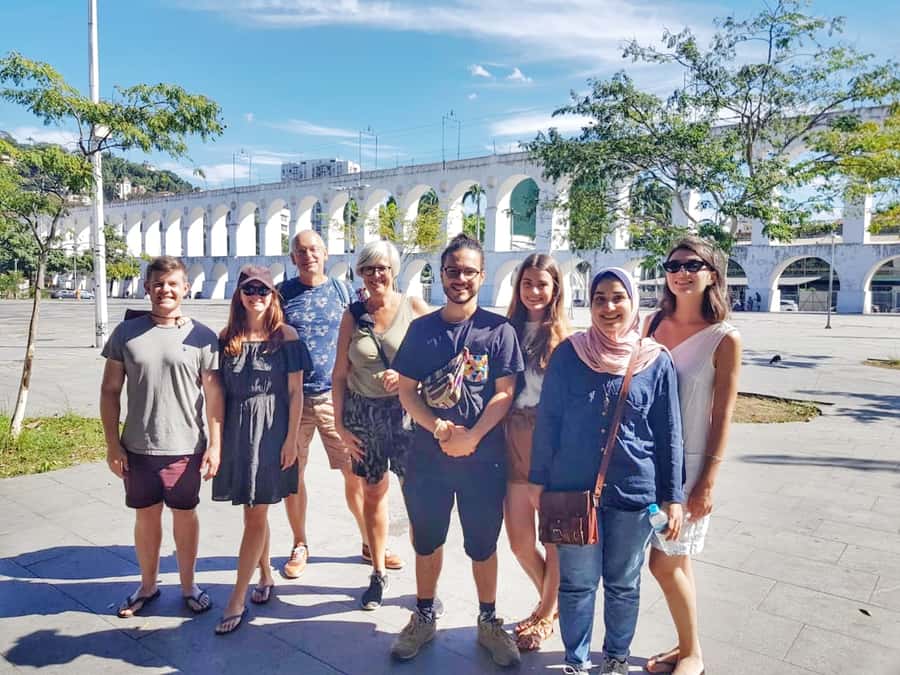
Rio makes history feel close. This 3-hour walk turns Rio’s downtown into a story you can actually follow. You’ll also get that street-level contrast between what still feels European and what looks very modern, all while moving on foot through the city core.
I like how the tour combines classic landmarks with everyday local life, so you see Rio as more than photos. Two wins for me: the interior visits (old cathedral, imperial palace, national library) and the way the guides connect monuments to how people live and move around town today.
One thing to consider, especially if you’re sensitive to accents, is that the guide’s English can vary in clarity, and you’ll want to make it to the meeting point exactly (in front of Theatro Municipal at Praça Cinelândia).
Key highlights worth planning around
- Small group (up to 10) keeps it more personal for questions and detours
- Cathedral, imperial palace, and national library interiors add real value beyond outside views
- Historic meets modern architecture teaches you how Rio grew up over time
- English, Portuguese, and Spanish live guiding helps you match your comfort level
- Rain or shine walking means you should pack for weather, not hope for perfect skies
Why Rio’s Historic Downtown and Lapa Work So Well Together
Rio’s best trick is scale. From sea level to mountain viewpoints, you get big drama fast. This tour adds a different kind of drama: the drama of power, faith, and paperwork, packed into a walkable central area.
The idea is simple. You start in the city’s landmark zone, then you follow the threads that shaped Rio when it was tied to courts, empires, and freedom movements. Along the way, you see the tension between old stones and newer city life, which is what makes downtown Rio feel real.
If you’re new to Rio, this is a strong first “orientation” move. Not orientation like a bus tour. More like, get your bearings fast in the places where the city’s identity formed.
Start at Theatro Municipal, Praça Cinelândia (Your Easy Reference Point)
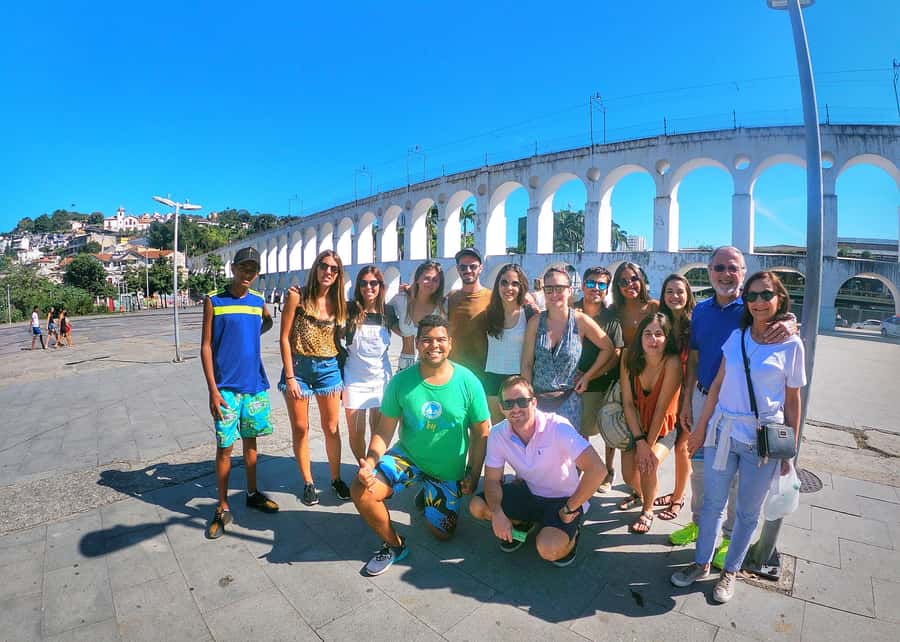
Your meeting point is easy to find on foot and by landmark: in front of Theatro Municipal at Praça Cinelândia. That matters more than you might think, because this is a 3-hour experience with a tight walking rhythm.
I like this setup because it anchors the rest of your day. Once you know where Praça Cinelândia sits in relation to major downtown streets, you can reconnect the dots later, even if you branch off toward Lapa or other neighborhoods.
Also, since the tour runs rain or shine, starting at a well-known place helps you avoid the classic travel problem of “where exactly are we supposed to meet if the sky opens up?”
City Center Walk: Seeing Daily Life Between Big Monuments
One of the most useful aspects of this style of tour is that it treats the sidewalks as part of the sightseeing. You’re not just collecting buildings. You’re watching how people use the area: what storefronts look like, how spaces feel at street level, and how the city moves around its history.
That’s what turns “historic downtown” from a list of stops into context. You start to understand how the city’s story lives alongside buses, errands, and normal conversations.
And because the tour is designed to show modern and historical architecture side by side, you’ll notice the changes more clearly. You’re not only seeing old Rio. You’re seeing how the city layered new eras on top of older ones.
Old Cathedral Interior: When Faith Is Also Architecture
The tour includes an interior visit to the old cathedral, not just a look from the street. That’s a big deal for value, because cathedral interiors usually take you beyond the postcard version.
Inside, you’ll get a clearer sense of scale and design choices that look different once you’re standing under them. From a practical viewpoint, interiors also help break up the walking. You get a calmer pace for photos and listening, even on hot or rainy days.
For me, this stop is where the tour earns its “history and culture” promise. Outside, you might see a famous building. Inside, you can feel why that building mattered to daily life and public identity.
Imperial Palace Stop: From Monarchs to a City Still in Motion
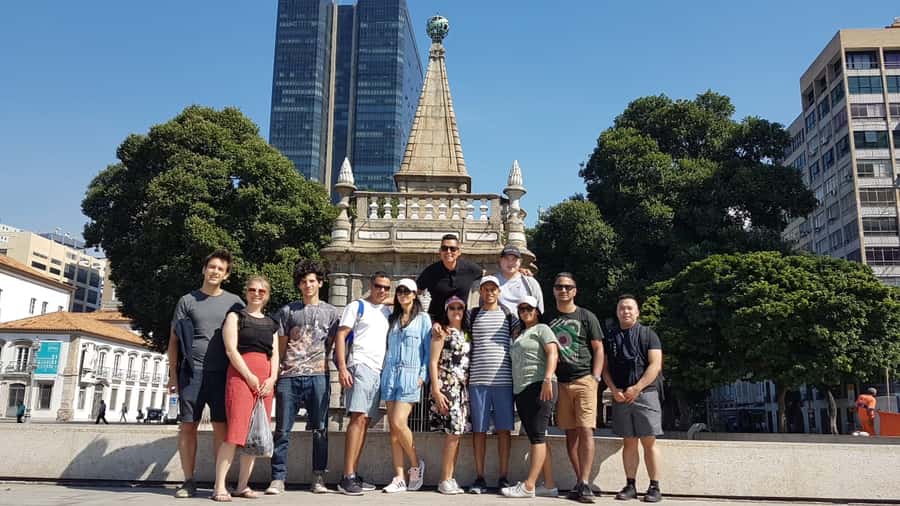
Another interior highlight is the imperial palace. This is the kind of stop that makes a city’s political past feel less abstract.
You’re not just viewing a structure. You’re linking it to a timeline that includes kings and queens, emperors, and the people who pushed back against control. Even if you don’t memorize dates, you’ll understand the role these seats of power played in shaping the city’s direction.
And because this is a walking tour rather than a museum-only schedule, you get a contrast effect. After palace interior time, you walk back into the street. That shift helps the story click.
National Library Interior: Why Documents Matter in Rio
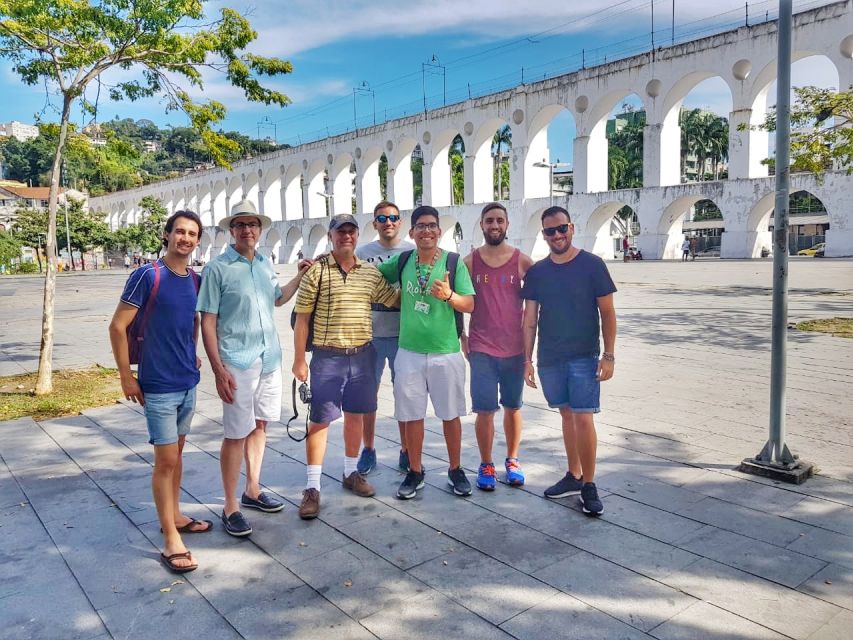
The tour also includes an interior visit to the national library. Libraries sound quiet on paper, but in cities shaped by empire and revolution, libraries represent something loud: records, ideas, and influence.
This is where you’ll likely connect more dots about civic change. When power shifts, information systems shift too, and libraries are one of the most physical ways to see that.
Even if you’re not a book person, this stop can change your perspective. You’ll probably start looking at architecture as a “machine” built for history, not just decoration.
Lapa Feel on Foot: Street Vibe, Not Just Landmarks

The experience is described as a historical downtown and Lapa walking tour, and that matters for how you’ll experience the city. Lapa, in particular, is one of those places where you learn Rio by noticing small things: the energy of streets, the way people gather, and the vibe that hints at evenings ahead.
You might not spend hours in a single neighborhood square, but the combination approach works. You build the historical frame in the core, then you add neighborhood flavor with the walk continuing into Lapa’s orbit.
If your next plan involves samba or caipirinhas later, this tour can set you up. The guide will help with practical advice for where to go for photos, food, and evening fun, based on what fits your schedule.
Colombo Café Pit Stop: A Small Break That Helps the Story Stick
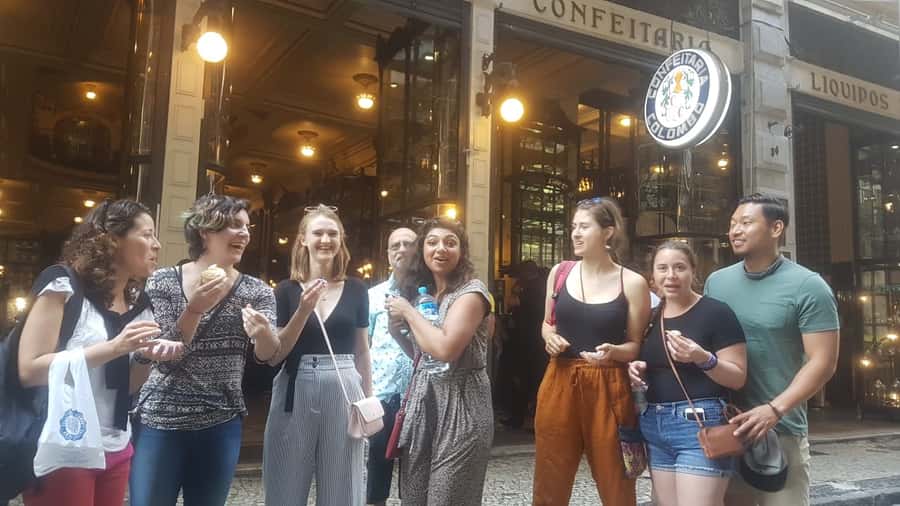
One review noted a well-timed pitstop at Colombo café. I take that as a sign the pacing is designed to stay human.
A coffee or snack break can do more than refresh you. It gives your brain time to organize what you just heard. After a few interiors and architectural details, that pause helps the whole tour feel smoother instead of rushed.
If you want great photo light, you can use the break to reposition yourself without needing to chase your group. Just remember, you still need comfortable shoes, because the walking continues.
Guides, Language, and Getting Answers Without Feeling Rushed

The tour is led by a live guide in English, Portuguese, and Spanish, and the group stays small, up to 10 people. That format is great for questions. If something doesn’t make sense, you can ask and get a direct answer while you’re still standing near the relevant building.
One caution from a past booking: the guide’s accent in English may be strong enough that you miss a few words. If that’s a concern for you, consider choosing Portuguese or Spanish if you can, or go in knowing you can still follow most of the story through pace, body language, and what’s happening around you.
I also like that the guides are encouraged to share more than facts. They can point you toward good spots for pictures, recommend restaurants, and suggest where to go later for samba and caipirinhas.
Price and Value: What $60 Really Covers Here
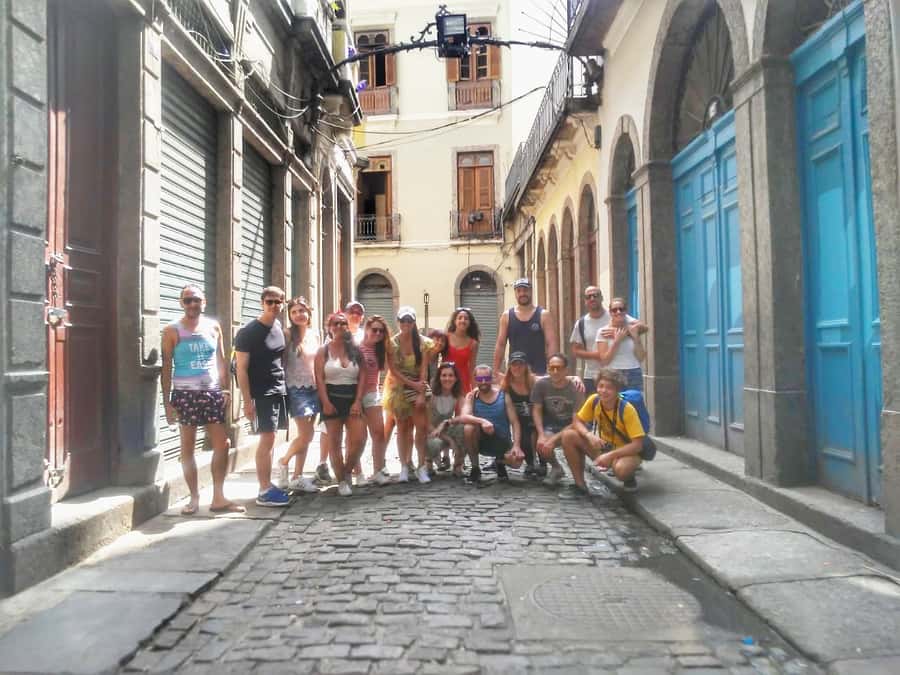
At $60 per person for about 3 hours, this is priced like a guided walking experience with meaningful add-ons. The big value point is not the distance. It’s the included interiors: old cathedral, imperial palace, and national library.
Outside-only city walks can be cheaper because they don’t require timed entries. Here, you’re paying for access and guided interpretation while you’re inside. For first-timers, that can be worth it because you’re learning the why behind the wow.
It’s also a small-group format. When you’re not packed shoulder to shoulder, the guide can adjust for questions and pacing. That typically makes the experience feel more efficient, not just more comfortable.
Walking Comfort: What to Bring and How to Plan Your Day
This is a true walking tour that happens rain or shine. So bring comfortable shoes and expect that you’ll spend most of your time moving on sidewalks.
Because it’s only 3 hours, plan your day so you’re not rushing right after. You’ll probably want a little time to process what you saw, grab a meal nearby, or head toward your next stop with a clearer map in your head.
The tour also is not suitable for people with mobility impairments, which is worth taking seriously when you’re choosing between Rio tours.
Who This Tour Fits Best
This is a good match if you:
- want a first look at Rio through history plus street-level life
- like architecture and want more than exterior photos
- enjoy asking questions and hearing a guide explain what you’re seeing in context
- want a manageable time commitment, about 3 hours, without getting stuck all day
It might be less ideal if you:
- need mobility-friendly options
- prefer very free-form strolling without structured interior stops
- have trouble understanding stronger-accent English and can’t switch languages
Should You Book This Historical Downtown and Lapa Walk?
If you want a smart, efficient way to understand Rio beyond beaches, I’d book it. The tour checks a few boxes that matter: interior access to major landmarks, a small group size, and guided context that connects buildings to the city’s story.
Book this one especially if you’re planning to spend the rest of your trip exploring on your own. When you finish, you’ll have a better sense of where things sit and why certain areas feel the way they do.
Just do two practical things: wear comfortable shoes and show up to Praça Cinelândia near Theatro Municipal with enough time to feel confident. That way, you start calm, not stressed, and the rest of the 3 hours feels worth every step.
FAQ
What is the duration of the Rio de Janeiro Historical Downtown and Lapa walking tour?
The tour lasts 3 hours.
Where does the tour meet?
The meeting point is in front of Theatro Municipal at Praça Cinelândia.
What is included in the tour?
It includes a walking tour at the city center of Rio de Janeiro with interior visits to the old cathedral, the imperial palace, and the national library.
How large is the group?
The group is small, limited to up to 10 participants.
Which languages are available for the live guide?
The live guide is available in English, Portuguese, and Spanish.
Does the tour run if it rains?
Yes, the tour happens rain or shine.
Is this walking tour suitable for people with mobility impairments?
No, it is not suitable for people with mobility impairments.
More Tour Reviews in Rio De Janeiro






Under the Arches: More Lapa Nights






Centro and the Port, Walked Properly




Lapa & Santa Teresa Bohemian Tours, compared.
 ★ 4.7Rio: Pub Crawl in Lapa with Cachaça Tasting and Live SambaFrom $33881 reviews
 ★ 4.5Santa Teresa, Lapa, and Cinelândia with Tram Ride and Selarón StepsFrom $60274 reviews
 ★ 4.4Historic Rio and Santa Teresa Half-Day TourFrom $47228 reviews
 ★ 4.5Ancient Rio and Santa Teresa Tour with Hotel pick-up and drop-offFrom $55154 reviews
 ★ 4.2Rio Scenarium Entrance, Dinner, and Open BarFrom $111126 reviews
 ★ 5.0Walking tour of the bohemian neighborhoods of Santa Teresa and LapaFrom $7259 reviews
 ★ 5.0Centro Historico and Lapa – Santa Teresa Walking, Historical and Bohemian TourFrom $13744 reviews
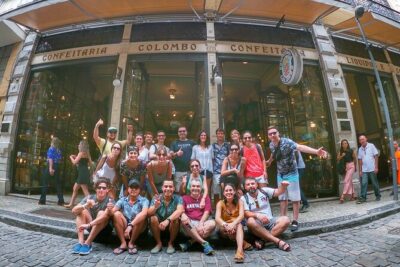 ★ 5.0Historical Downtown and Lapa – Walking TourFrom $4044 reviews