
Review · RIO SURFING & PADDLEBOARDING
Rio de Janeiro: Surflessons and surfcoach.
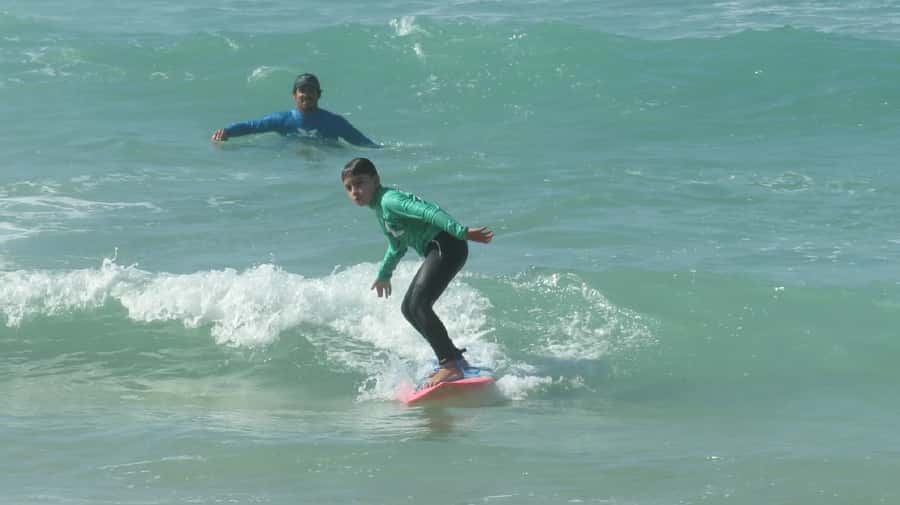
One great lesson can change everything about your surf. This small-group surfcoach session in Rio builds real skills fast, and the video analysis makes it easier to spot what to fix. The main thing to consider is that it is short at one hour, so you should want focused coaching, not a long beach day.
What I like most is the tight teaching rhythm. You get a quick warm-up, then a wave-and-goals discussion, then practice in the water with filming, and finally a wrap-up video review. Also, the coach support feels patient and structured, with instructor Henry highlighted for taking the time to teach. The only drawback is the time budget, plus you still need to handle meals on your own.
Key Points You’ll Care About
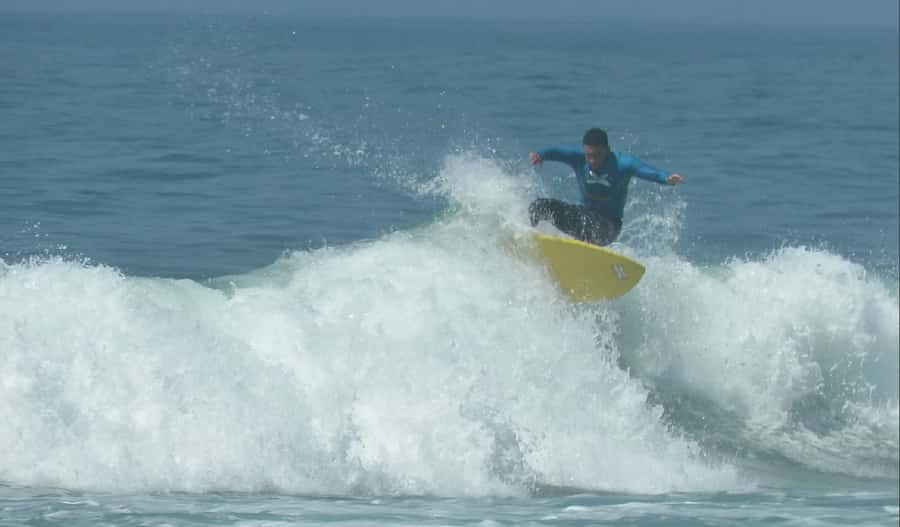
- Filming and video analysis during and after the session, so you improve with specifics, not vague tips
- Small group, max 5 participants, which means you get real attention in the water
- Surf training for beginners, intermediate, and advanced, so nobody gets stuck or bored
- All gear included (board, leash, wetsuit, wax) plus a wetsuit-friendly setup at base
- Training in the best conditions of the day, with coaches choosing the surf focus for that moment
- Accessible and practical base at CADES, with bathrooms, showers, and a skateboard surf simulator
The Setup: Coaching That’s Built for Real Progress
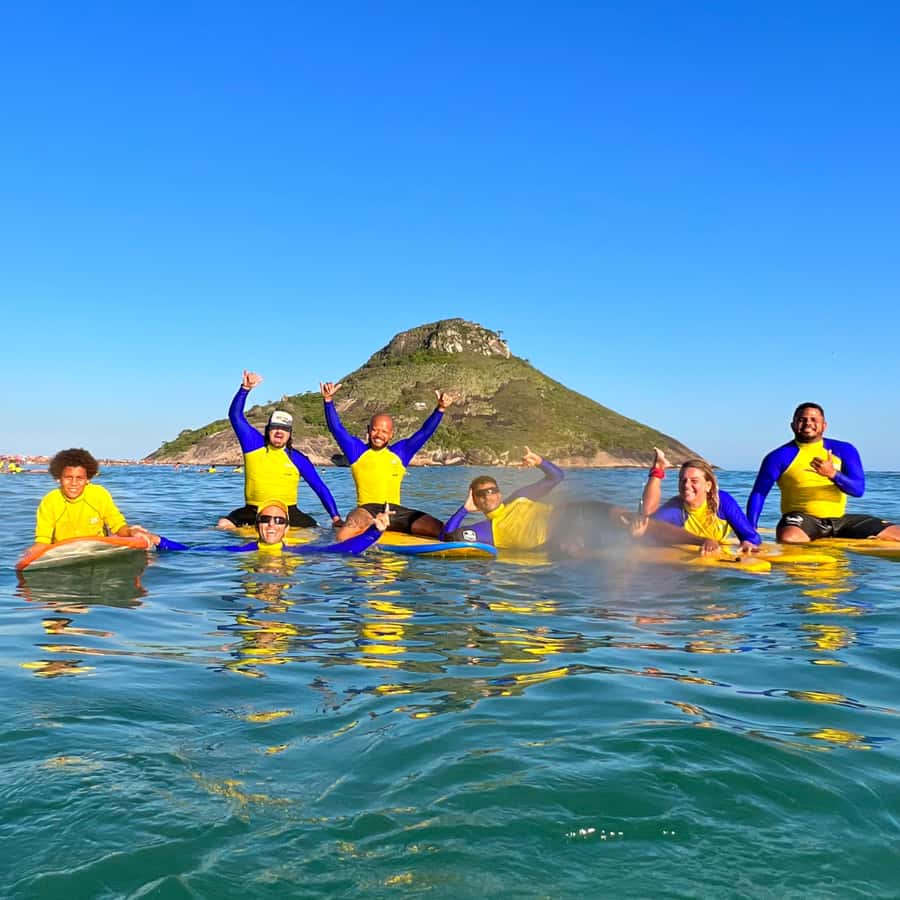
If you have ever gone to the beach, stared at the waves, and wondered why your board won’t do what you want, this style of surf instruction helps. The session is designed around coaching cues you can actually use immediately.
A big reason it works is how it mixes planning with practice. You start with a short warm-up and a brief read of the sea and the waves. Then you go to the water with clear objectives. That means you are not just trying to catch a wave, you are rehearsing specific movements and decisions.
And because the group is limited to 5, the coach can adjust. That matters a lot for technique, balance, and wave selection. You do not want a one-size-fits-all lesson when you are still learning what your body should do.
Meeting at CADES Headquarters: What You Get Before You Even Paddle
You meet at CADES headquarters at the start, where the crew runs the session from a proper base. That is a quiet advantage people often forget. When you have bathrooms, showers, and an activity room on site, you spend less time scrambling and more time preparing your body for saltwater.
There is also a skateboard surf simulator training track in their space. You might not use it every moment, but it signals something important: they teach surfing like a skill. Not just a random run to the shore. Even a short simulator moment helps you connect stance and balance before your feet get slippery in a wetsuit.
Also included is the stuff you really do not want to overthink. All equipment is provided: surfboard, leash, wetsuit, and wax. That removes the usual Rio friction, where you either rent gear and hope it fits or you show up underprepared.
If you need it, transfers between CADES space and the surf spot are included. They do not specify every detail for every situation, so assume you will be told the plan when you arrive. Still, it is good to see they consider getting you to the right water part of the service.
On Shore Routine: Warm-Up and a 5-Minute Wave Check
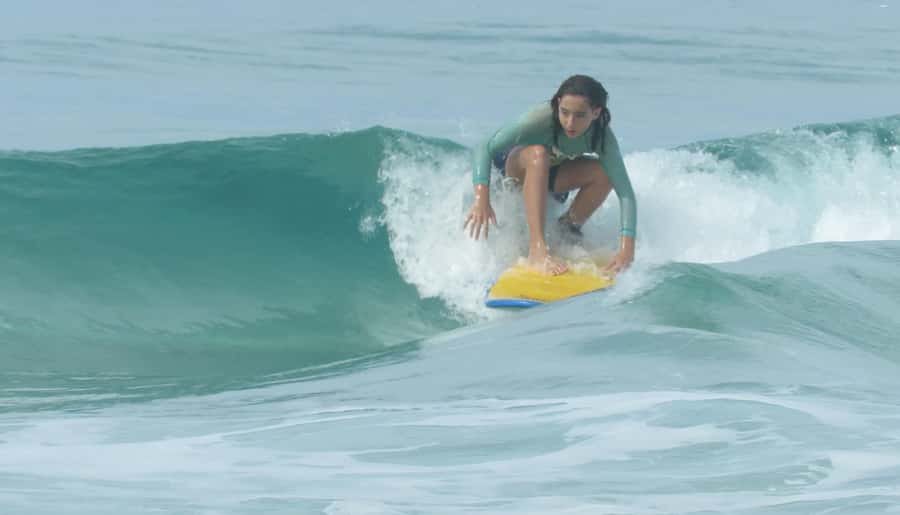
Right after meeting, you do a brief 10-minute warm-up. It sounds basic, but in surfing, your shoulders, hips, and knees need to wake up. A wetsuit on cold water can make you feel stiff fast.
Then comes the part I really like: you do a short 5-minute analysis of the sea and waves together with the instructor. This is not a long lecture. It is a quick read focused on what you should watch for once you are out there.
What you are trying to understand in that window:
- Where waves are forming
- What the session goals are for that day
- How the surf conditions affect your takeoff and turn options
This is especially useful if you are a beginner. You do not need a history lesson about surfing. You need a practical map for what to look for.
In the Water: 50 Minutes of Technique Work With Filming
Once you hit the surf spot, the lesson shifts into training mode. The coach and surfer meet at the chosen training surf spot, where there is another quick check-in. You get a short 10-minute discussion about the peak and the waves, plus the objectives for that specific session.
That matters because “best waves in Rio” is not one fixed location or one fixed wave. Conditions change. Wind changes. Sets change. A good coach adapts. The session explicitly targets surfing in the best conditions of the day.
Then you get 50 minutes of practical time in the water, and here is the difference-maker: the session includes recording images. Filming is not just for fun. It is for feedback. It helps you see what you actually did, not what you thought you did when your brain was busy surviving the wipeout.
What I’d watch for during your time:
- Are you being coached on stance and timing, not just wave-catching?
- Do you get repeated attempts that build toward the same goal?
- Does the coach correct specific issues you can test again immediately?
Because the group stays small, you should get turns that feel coached, not crowded.
Also, this is built for multiple levels. The description says training for beginners through intermediate and advanced. In real terms, that usually means your objectives should adjust to your comfort. Beginners often focus on basics like paddling position, board control, and popping up with less panic. Intermediate surfers might work on more fluid transitions. Advanced surfers likely get sharper goals, like reading sets and improving lines. You will not know until you start, but the structure is there to support all levels.
Video Analysis After Paddling: The 20-Minute Fix Loop
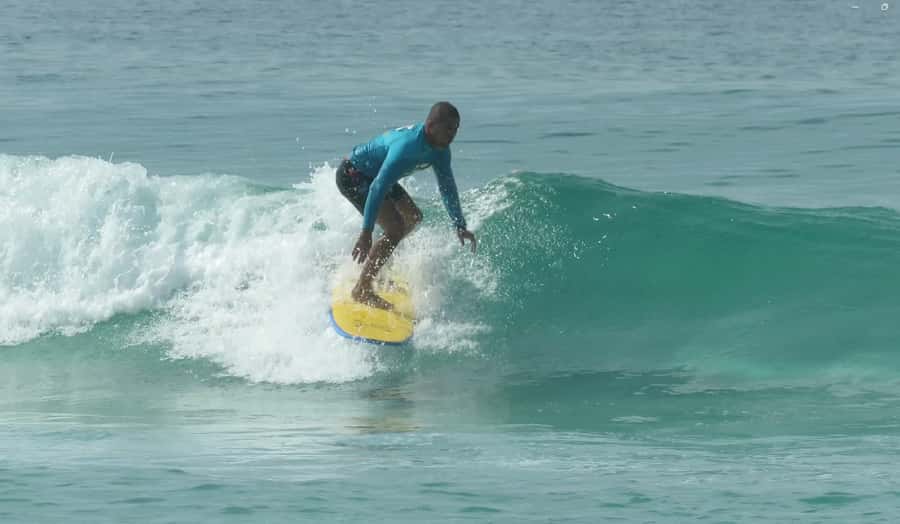
At the end, you do 20 minutes of video analysis, either at the CADES space or at the surf spot. This final step is where improvement starts to accelerate.
In most surf lessons, the session ends when you stand back on the sand, adrenaline still high, saltwater still in your hair. This one is different because it gives you a clear before-and-after opportunity.
When video is part of the plan, you can connect coaching language to real body movement. That means less guessing. It also makes it easier to understand why something worked one wave and fell apart on the next.
If you are the type who learns by seeing your own mistakes, this will feel like the best part. If you hate watching yourself on camera, you can still use it, because you are not there for vanity. You are there for correction.
The $90 Value: Why One Hour Can Be Enough
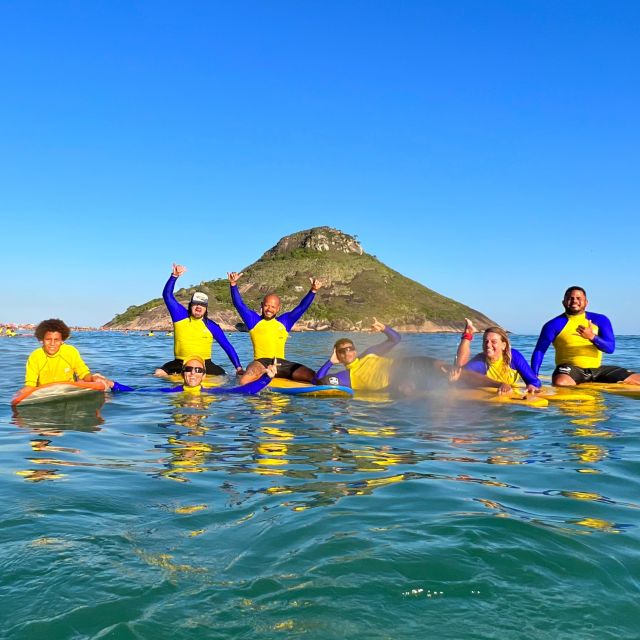
Let’s talk money and why this feels fair at $90 per person for a one-hour class.
For surfing, the expensive part is not just the instructor. It is the gear, the wetsuits, the coaching time in the water, and the setup that gets you to the right conditions. Here, a lot of the usual extras are handled for you:
- Board, leash, wetsuit, wax are included
- The session uses filming and video review
- The base has showers and bathrooms
- Equipment and training support are ready at CADES
- Transfers are included if needed
You still need to bring your own transport to the meeting point unless you are covered by a transfer arrangement. Meals are also not included, and they estimate about USD $10 per meal per person.
So is one hour short? Yes. But if your goal is to learn something actionable quickly, one hour with proper coaching can be better than a long, unstructured outing. You get a clear arc: warm-up, wave read, coaching objectives, filmed practice, feedback.
This is not the best fit if you want a slow, scenic beach day with lots of free time. It is a good fit if you want progress and you like instruction.
Who This Session Fits Best in Rio
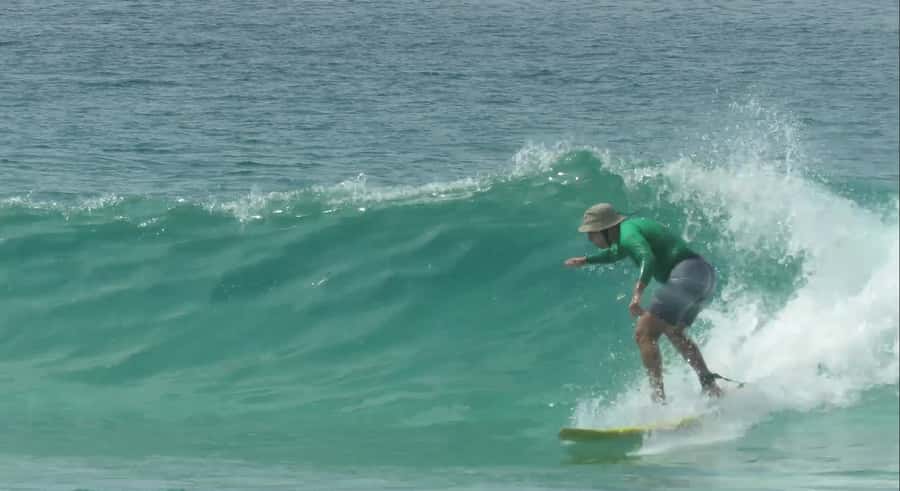
This surfcoach format works well if you fall into one of these groups:
- You are a beginner and want structured steps, not trial and error
- You already surf but want technique coaching you can measure
- You like learning with feedback and do not mind filming
- You prefer a small group so you get attention and not just “good luck out there”
It is also described as wheelchair accessible, which is a real plus if you need that kind of setup.
Language support is practical: Portuguese, Spanish, and English. That matters in surf instruction, where small coaching cues can make the difference between standing up and falling immediately.
And because it is described as teaching from all ages, it can work for different trip styles. Still, the session length stays one hour, so plan your expectations accordingly.
What to Bring: Simple Stuff That Makes It Easier
You do not need to bring surf gear. But you do need the basics that make the session smooth.
Bring:
- Change of clothes
- Water
- Beachwear
- Clothes that can get dirty
Also, I recommend you show up already thinking about comfort. Saltwater and sand do not care about your travel outfits. Plan for getting a little messy, then changing quickly when you get back.
Final Thoughts: Should You Book?
I’d book this if you want coach-led technique, a small group, and a lesson that finishes with real feedback instead of ending after your last wave. The filming and video analysis are the standout reason to choose it, especially if you are serious about improving.
I would skip it if you want a long outing with plenty of free time, or if you hate being in the water for focused practice. One hour is intense, and that is by design.
If your trip to Rio includes at least one day where you want to learn, train, or sharpen your surfing, this CADES Surflessons and Surfcoach session is a strong value. You’ll leave with clearer guidance, not just a sunburn and a story.
FAQ
How long is the surf lesson?
The duration is 1 hour.
Where do we meet for the class?
You meet at CADES headquarters.
What happens before going into the ocean?
First you do a brief 10-minute warm-up. Then you and the teacher analyze the sea and waves together for about 5 minutes.
Is this only for beginners?
No. It is for beginners, intermediate surfers, and advanced surfers, with different training workouts for different levels.
Do you get coaching in the water or just general instruction?
You get practical coaching in the water for about 50 minutes, with technical training led by the coach.
Is video included?
Yes. The activity includes recording images, and there is about 20 minutes of video analysis at the end.
What equipment is provided?
You get all equipment, including the surfboard, leash, wetsuit, and wax.
Are transfers included?
Transfers are included if necessary between the CADES space and the surf spot.
Is there a limit on group size?
Yes. The group is limited to 5 participants.
What languages are the instructors?
The instructor can teach in Portuguese, Spanish, and English.
More Tour Reviews in Rio De Janeiro






More Boards in the Water



Rio Surfing & Paddleboarding, compared.
 ★ 5.0Rio Surf Experience!From $9085 reviews
 ★ 3.7Stand-Up Paddle – Copacabana Beach SunriseFrom $7039 reviews
★ 4.9Rio Surf ExperienceFrom $10037 reviews
★ 3.7Stand-Up Paddle – Copacabana Beach SunriseFrom $7039 reviews
★ 4.9Rio Surf ExperienceFrom $10037 reviews
 ★ 4.7Surf lessons: in Arpoador in Ipanema.From $3335 reviews
 ★ 3.6Surf lessons with local instructors in Copacabana/ipanema!From $1031 reviews
 ★ 3.7Copacabana Sunrise Stand Up Paddleboard TourFrom $586 reviews
Also filed under