
Review · RIO SURFING & PADDLEBOARDING
Rio Surf Experience
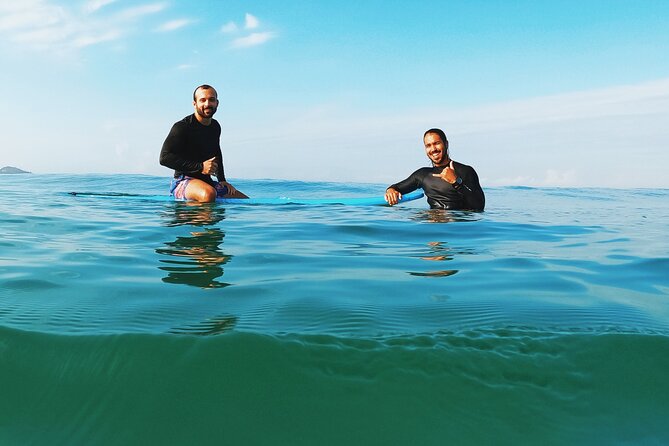
Surfing in Rio gets way better when you match conditions to your level. Rio Surf Experience focuses on the right waves for beginners through advanced surfers, then adds a calm, beautiful stop after the session. I especially like the small-group setup and the hands-on coaching that pushes you from first attempts to real wave riding.
One thing to plan around: the total 4 hours can vary because the team may need to drive to find suitable surf. Also, the ocean can be chilly, and it is not for non-swimmers, so bring your confidence and your towel.
Key things to know before you go
- Best-conditions surfing for your level, so you are not just showing up and hoping.
- 1 hr and 30 minutes in the water, plus extra coaching time on the beach before you paddle out.
- Limited group size (up to 6), which makes it easier to get corrections that actually stick.
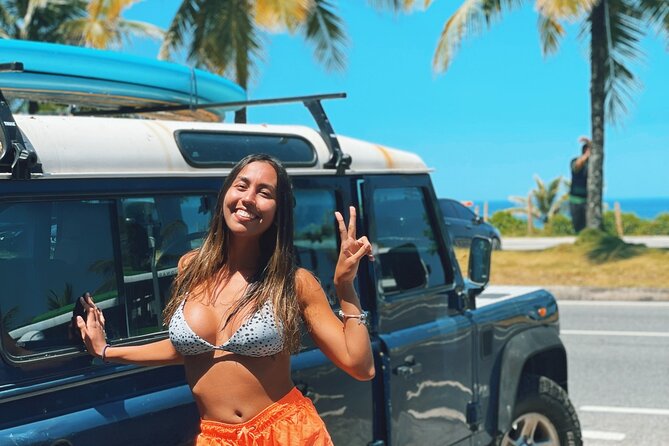
- Trilingual instruction (Portuguese, Spanish, English) from instructors with long coaching experience, including names like Gabriel, Emiliano, and Emilio.
- Transport included to the beach with the day’s best waves, with flexibility if local conditions near the meeting point are not ideal.
- A scenic stop after surfing where the goal is a view that feels local, not tour-bus predictable.
Surfing in Barra da Tijuca, then going where the waves make sense
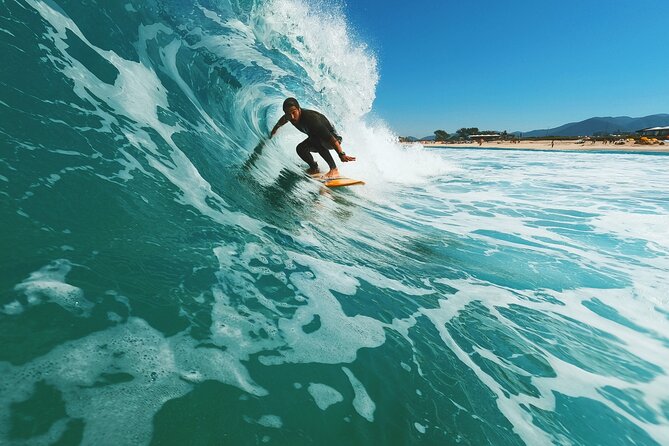
This is a practical half-day plan: you start near Barra da Tijuca and then the team looks for the best surf conditions for your ability. If conditions by the meeting area are good, you might not drive at all. If they are not, you will use the included transportation to chase waves that fit what you can handle.
That “chasing conditions” part matters more than most people expect. Surf lessons fail when the ocean is too strong, too weak, or too chaotic for the group. Here, the whole structure is built around timing the session to match who is in the lineup.
You also get the benefit of learning Rio’s west-side coastline in a way that feels like a local routine. You are not stuck staring at one beach because it is famous. You are moving with the day, which is exactly how surfers think.
The 4-hour rhythm, and what the timing really means
The experience is listed as 4 hours total, but the key number is the actual surf time: 1 hour and 30 minutes in the water. The difference comes from travel time and where the team finds workable surf.
In cold or awkward conditions, expect the team to prioritize safety and skill-building over forcing extra paddling. One past participant noted the ocean felt cold and waves were breaking close to shore, and the session timing felt shorter than the full block. That kind of change is usually the trade-off when conditions do not cooperate.
So plan your day with a buffer. This is a morning-style activity, and it is designed to feel like a focused surf block, not a rushed “grab-and-go” photo stop.
How the lesson is structured for beginners and advanced surfers
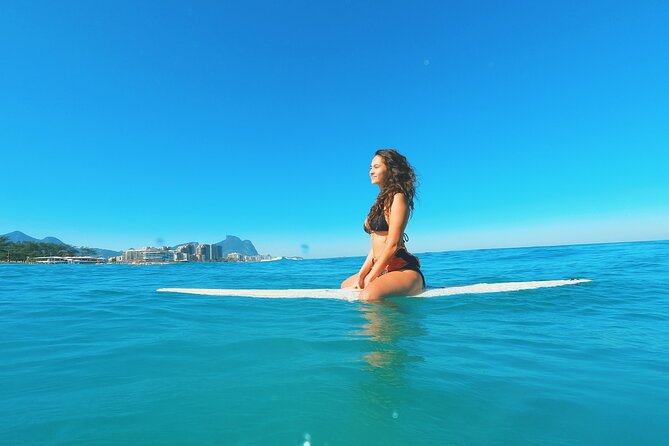
The coaching has a clear goal: you surf at the beach with the best conditions for your level, whether you are brand new or you already know how to read a lineup. The team’s job is to place you in waves you can learn from, not just survive.
Before you hit the water, you warm up and practice key movement skills on land. Then you go into the ocean with the plan to catch waves as soon as it makes sense for your level.
What stands out in instructor feedback is patience paired with real correction. People repeatedly praise instructors like Gabriel and Emiliano for taking time, explaining clearly, and making you feel safe while you improve. That is a big deal for beginners, because surfing is mostly about timing and confidence, not just strength.
If you are advanced, you still benefit from the structure. You get a targeted session aimed at technique and wave selection, not random paddling. The “right waves” choice can be just as valuable at higher levels because it reduces the frustration of your time being wasted in waves that do not match your skill.
Safety brief, warm-up drills, and the pop-up practice that speeds things up
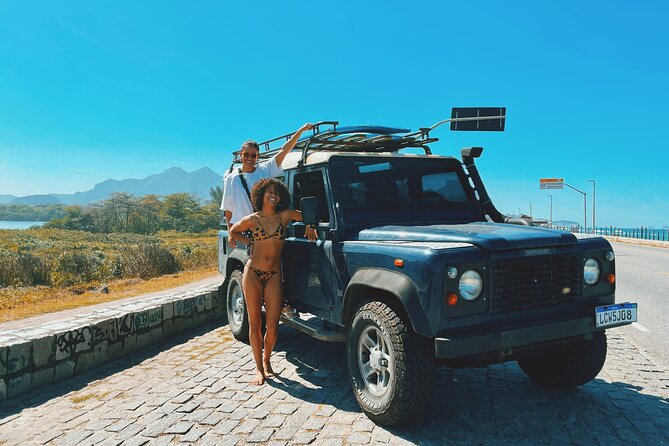
The session starts with safety measures at sea, then a warm-up. The practical part is the pop-up movement practice. The process goes in layers: first you practice the movement on the sand, then you transfer it to the board when it is time to paddle out.
This is one of those small details that can make or break your progress. If your pop-up is late or clunky, you spend your whole session standing up too late, which turns learning into a scramble. Practicing it on sand is a low-stress way to build muscle memory before you have waves pushing the clock forward.
Then you move into catching waves. Your instructor focuses on what you need in the moment, and the small group size helps because you are not lost in a crowd.
The team also provides gear, including a surfboard and a wetsuit or rash guard, which matters in Rio where water temperature and sun intensity can change your comfort level fast.
The secret-feeling post-surf stop with a real Rio view
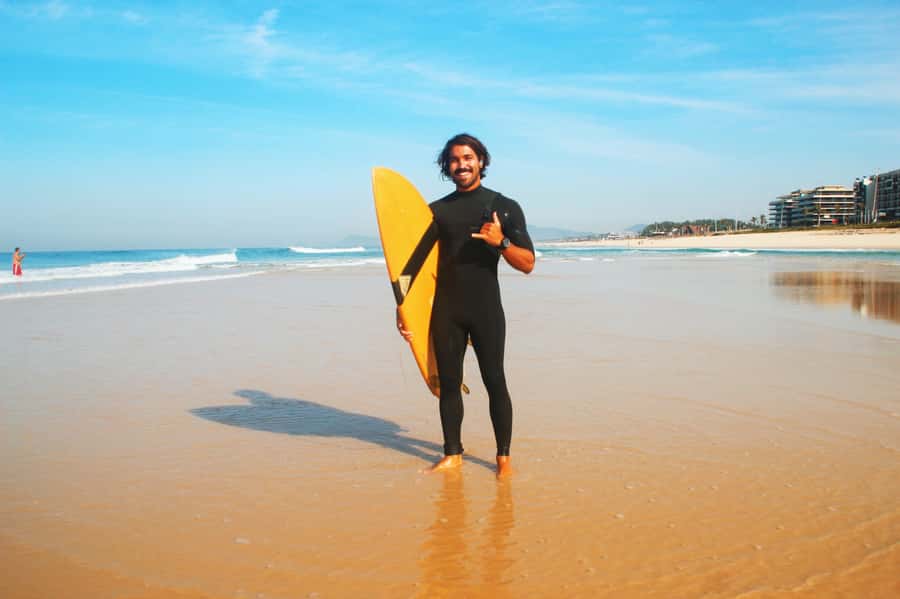
After the surf session, you go to a place of unique beauty to enjoy a view. The point is not just scenery. It is the reset that makes the whole half-day feel like an experience, not only a workout.
People describe the overall vibe as friendly and Rio-style, with the instructor team helping the group feel connected. That matters because surfing can be intense. You come out tired and focused, and then you get a calmer moment to breathe, look around, and appreciate the coastline beyond the waterline.
It also helps that the route tends to include parts of Rio that are less tourist-driven. The promise is “one of Rio’s beautiful but not very touristy beaches on the west side,” and the end stop fits that same idea: a view that feels earned, not staged.
Gear, what’s included, and how good value works at $100
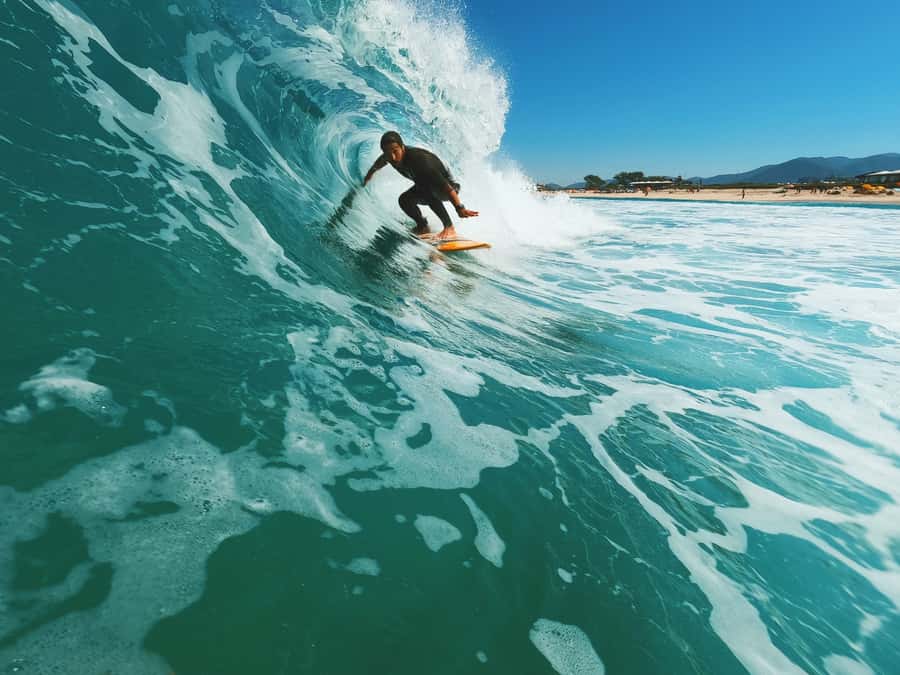
At $100 per person, you are not paying just for standing on a board. You are paying for the package that makes learning possible: transportation to the day’s best surf spot, the board, and the wetsuit or rash guard, plus a long enough session to actually improve.
Here is what is included:
- Surfboard
- Wetsuit or rash guard
- Transportation to the beach with the best conditions for your level
- Limited number of guests (small group)
- 1 hr and 30 minutes surf session
- Trilingual instructor (Portuguese, Spanish, English) with 15+ years of experience
- A post-surf visitation to a special scenic spot
Not included: professional photo/video packages with a camera, and GoPro video. You can add a surf photos package for extra cost.
That photo detail is worth thinking about. If you want action shots, plan on adding the package. If you are okay with your own phone and the memory in your body, you can skip it.
In practice, the best value here is the combination: small group plus instruction plus transportation plus enough water time to matter. Most bargain surf lessons cut one of those, and that is where frustration usually comes from.
Meeting point, transport timing, and how to be ready fast
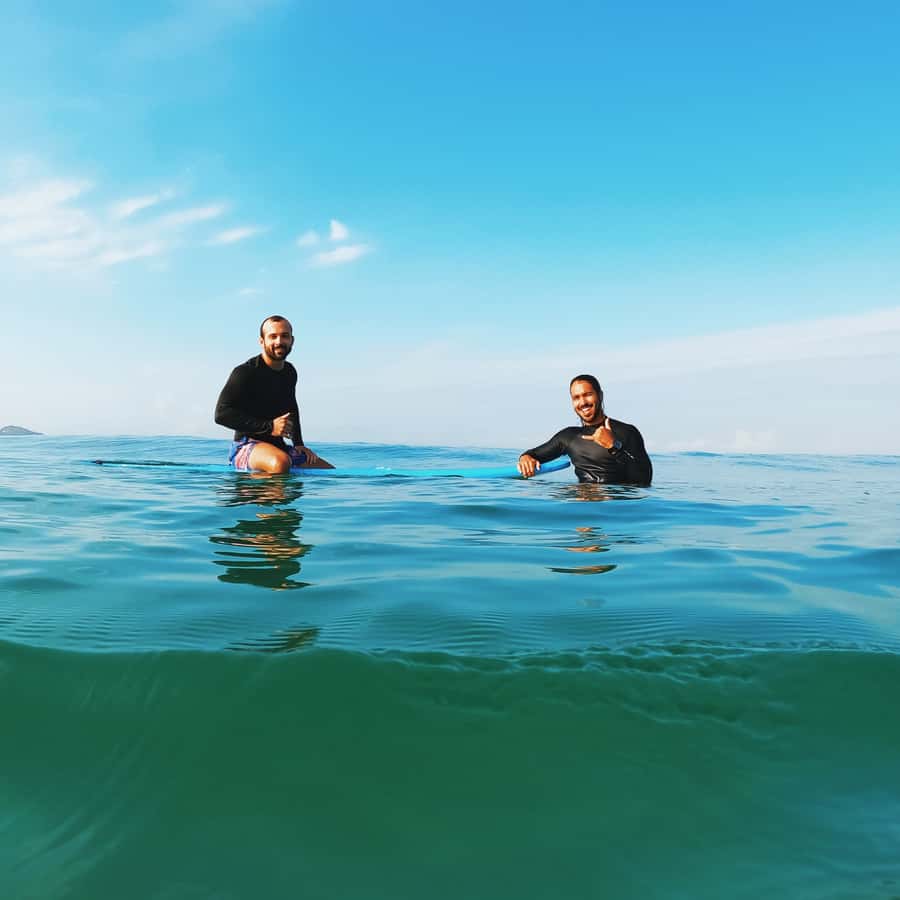
You meet at the BR gás station, and there is a cafe and an açaí store right there. That is handy because you can grab something before you head to the beach, and it makes the start of the day feel easier.
Transport works like this: you either stay close if the surf near the meeting point is already good, or you drive to find better waves. Either way, you have wheels, which is a huge time-saver in Rio.
The experience lasts 4 hours on average, but the surfing block is fixed at 1 hr 30 minutes. The rest of the time is travel and setup. So show up on time and keep your start smooth.
What you should bring:
- Sunscreen
- Towel
- Water
- Change of clothes
That last one is not optional in practice. You will be wet, you will be salty, and getting comfortable quickly makes it easier to enjoy the scenic stop after.
Who should book Rio Surf Experience (and who should skip it)
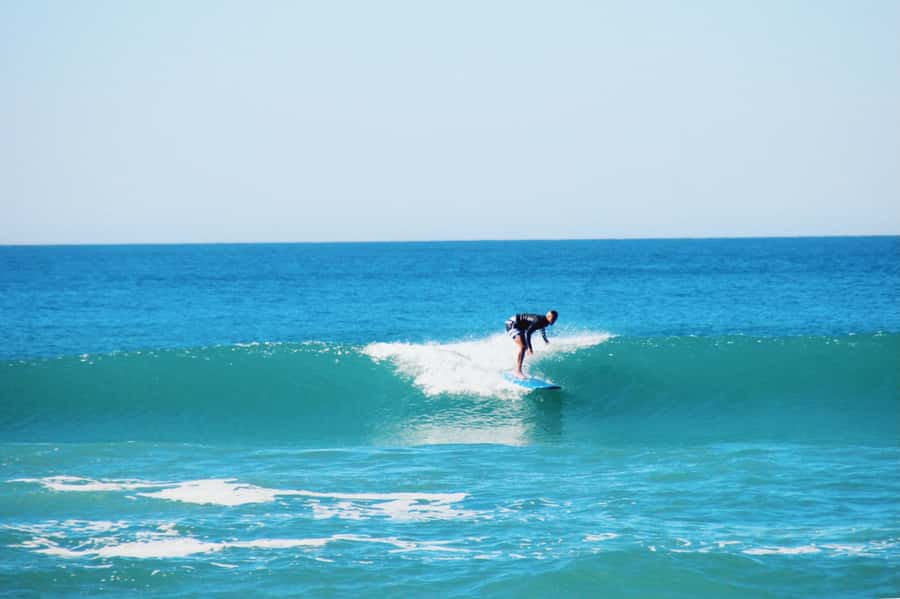
This suits you if you want a structured surf lesson with real coaching time and the comfort of being taken to the right beach for the day’s conditions. It works for first-timers who feel nervous about getting in the water, and it works for experienced surfers who want technique feedback and a well-chosen session.
It is also a good match if you like small groups. With up to 6 participants, instructors can watch your timing, not just give general advice.
Skip it if you are a non-swimmer. The activity includes ocean safety guidance, but you still need the ability to swim. Surfing is water sports, and that rule keeps it honest.
If you hate uncertainty and do not want any chance of driving, this might feel slightly unpredictable, since the team may move to find better conditions. Still, that flexibility is exactly what helps beginners get waves they can handle.
Should you book it?
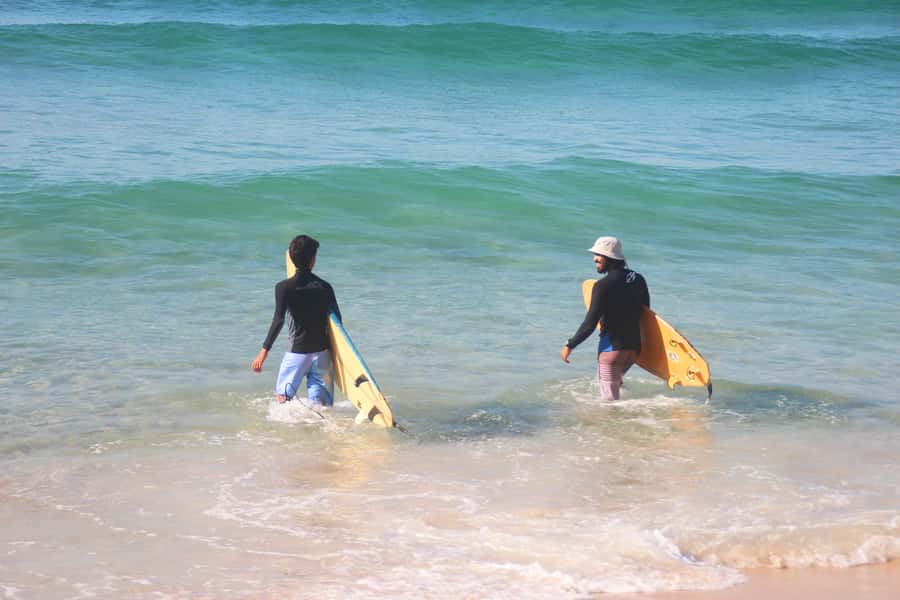
Yes, if your goal is progress and you want Rio surfing without the guesswork. The biggest reasons to book are the 1 hr 30 minutes in the water, the small group size, and the way the team aims for waves matched to your level. You also get a post-surf scenic stop that turns your morning into a real Rio experience instead of a one-dimensional lesson.
I would book with extra confidence if you care about instruction quality. Past participants specifically praised instructors like Gabriel, Emiliano, and Emilio for patience and focused feedback, and they liked the friendly team energy.
One caution: dress for ocean time, bring your towel and change of clothes, and be ready for cooler water on some days. If you are comfortable with that, you are set for a surf day that feels both coached and genuinely local.
FAQ
How long is the surfing session?
The surf session is 1 hour and 30 minutes.
How long does the whole experience take?
The total duration is about 4 hours on average, and it can change depending on how far the team needs to drive to find the waves.
Is this experience for beginners?
Yes. The session is designed to surf at the beach with the best conditions for your level, including complete beginners and more advanced surfers.
What surf gear is provided?
You get a surfboard and a wetsuit or rash guard.
Is professional photos and video included?
No. Photos and videos with a professional camera, and GoPro photos or videos, are not included. You can add a surf photos package for an extra cost.
Where is the meeting point?
You meet at the BR gás station, where there is also a cafe and an açaí store.
What happens if the waves are not good near the meeting point?
If the conditions near the meeting place are good, the team will not drive. If not, transportation will be used to reach the beach with better conditions for your level.
Do I need to be able to swim?
Yes. This experience is not suitable for non-swimmers.
What should I bring?
Bring sunscreen, a towel, water, and a change of clothes.
More Tour Reviews in Rio De Janeiro





More Boards in the Water



Rio Surfing & Paddleboarding, compared.
 ★ 5.0Rio Surf Experience!From $9085 reviews
 ★ 3.7Stand-Up Paddle – Copacabana Beach SunriseFrom $7039 reviews
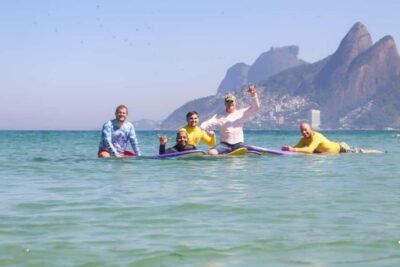 ★ 4.7Surf lessons: in Arpoador in Ipanema.From $3335 reviews
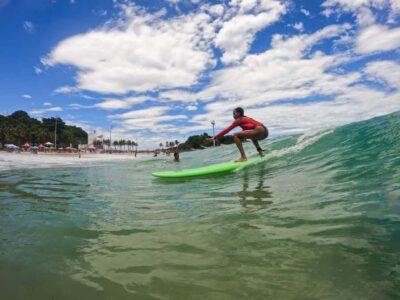 ★ 3.6Surf lessons with local instructors in Copacabana/ipanema!From $1031 reviews
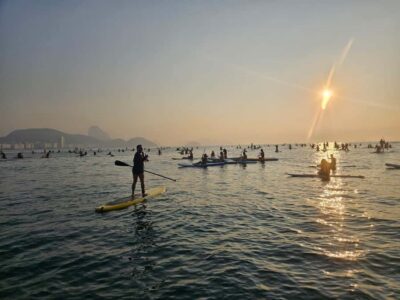 ★ 3.7Copacabana Sunrise Stand Up Paddleboard TourFrom $586 reviews
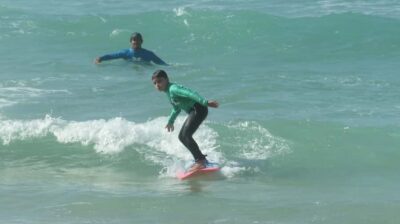 ★ 5.0Surflessons and surfcoach.From $903 reviews
Also filed under