
Review · HISTORICAL TOURS
Rio Culture and History through the Art of Traditional Foods
Rio food is more than a meal, it’s a story you can walk through. This guided tour uses traditional foods and real neighborhood stops to show you how Rio eats, drinks, and celebrates, with Santa Teresa and Lapa at the center of the day. You’ll also get city sights mixed in, including a tram ride over the Lapa arches aqueduct and panoramic views.
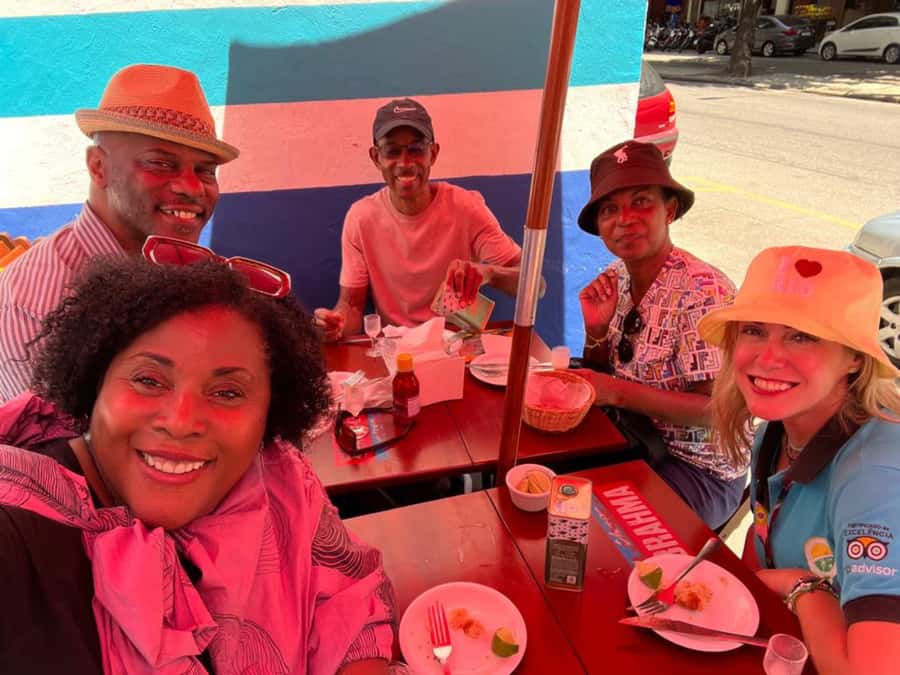
I especially like the food-first approach. You don’t just see places, you sample them, from pão de queijo and coxinha to sweets and salty snacks at Colombo confectionery. I also like that the tour is guided by people who know the food culture in a personal way, with guides like Romayne or Camila bringing the history and family traditions behind the bites to life.
One thing to consider is the format: you’ll do a walking tour that totals about 1 mile, and you’ll be on your feet for hours. If you want long sit-down breaks every stop, you might find the pace a bit tight.
Key points I’d plan around
- Colombo confectionery is a major sweet-and-snack highlight, and you’ll sample a mix of flavors along the way
- Lapa Arches tram ride plus Ruinas Park views gives you big city payoff without turning it into a full sightseeing day
- Traditional Brazilian ingredients show up in tastings, like tapioca and manioc flour
- Drinks are part of the learning, including local beer and cachaça
- Guides like Romayne or Camila focus on storytelling, not just facts, so the day feels connected
- No hotel pickup, so you’ll meet the guide and start promptly, at 10:45 am
Rio food history, told through Santa Teresa and Lapa bites

Rio has a talent for turning everyday food into identity. This tour leans into that idea hard, using tastings as your map. You move through Santa Teresa and Lapa, two neighborhoods that feel different from each other, and you learn why the flavors make sense in each setting.
I like that you’re not stuck in a single restaurant. The stops are spread out enough that you get a sense of everyday Rio life, from snack counters to beverage moments, without turning the day into chaotic restaurant hopping. You also get a local expert who can answer your questions, which matters when you’re trying to understand what makes a food Brazilian and what makes it regional.
Meeting at 10:30, departing at 10:45, and building a 6-hour rhythm
The day starts with check-in at 10:30 am and departure at 10:45 am. That timing is smart because it gives you daylight for views and keeps the tour moving before the hottest part of the afternoon.
This is a 6-hour experience with a walking component, plus a tram ride. The tour’s rhythm is built around short segments: you walk, taste, walk, taste again, then get a transit moment and a view. If you tend to get hangry, you’ll appreciate that the tastings are frequent, and the guide keeps you moving through the food story rather than letting the day drag.
One practical note: there’s no hotel pickup or drop-off. You’ll meet the guide at the designated meeting point, so plan to arrive early and with your group expectations set.
The Lapa Arches tram ride and Ruinas Park panoramas
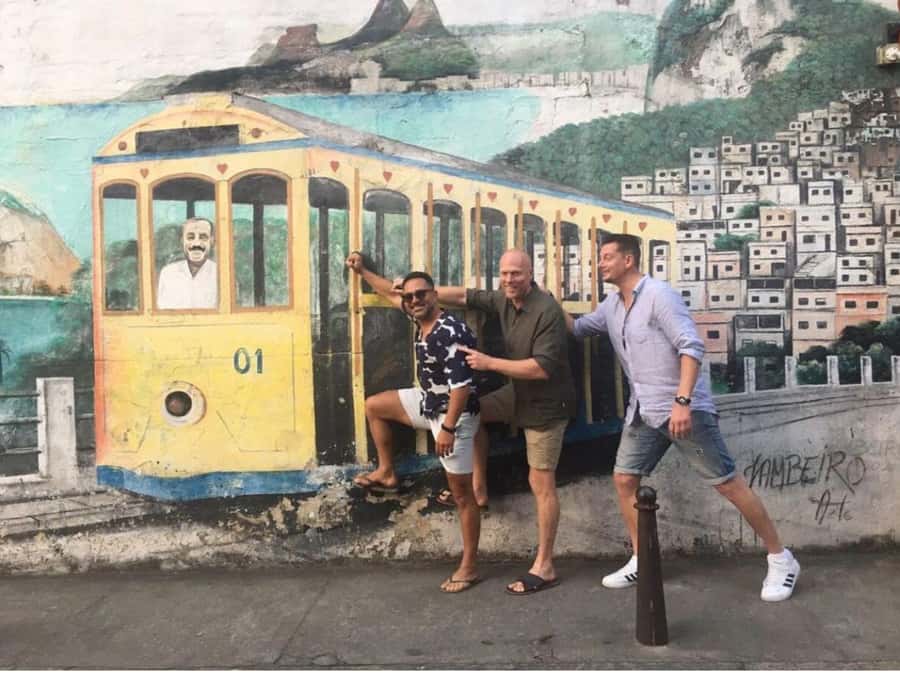
A big reason this tour feels worth the time is that it pairs eating with real Rio angles. Midday, you hop on a charming tram ride that goes over the Lapa Arches aqueduct. You’ll also pass by Ruinas Park, which gives you a sense of the city’s scale from a higher perspective.
This is where the tour becomes more than food samples. The tram segment works like a visual reset. After a few tastings and snack stops, you get breathing room and a panoramic payoff, so you can absorb what you’re seeing, not just what you’re eating.
Also, the route matters: the tram ride helps you move from downtown toward Santa Teresa. That shift in neighborhoods is part of the lesson, because food habits and shop culture change as the streets change.
Colombo confectionery: the sweet-and-salty Rio snack mission
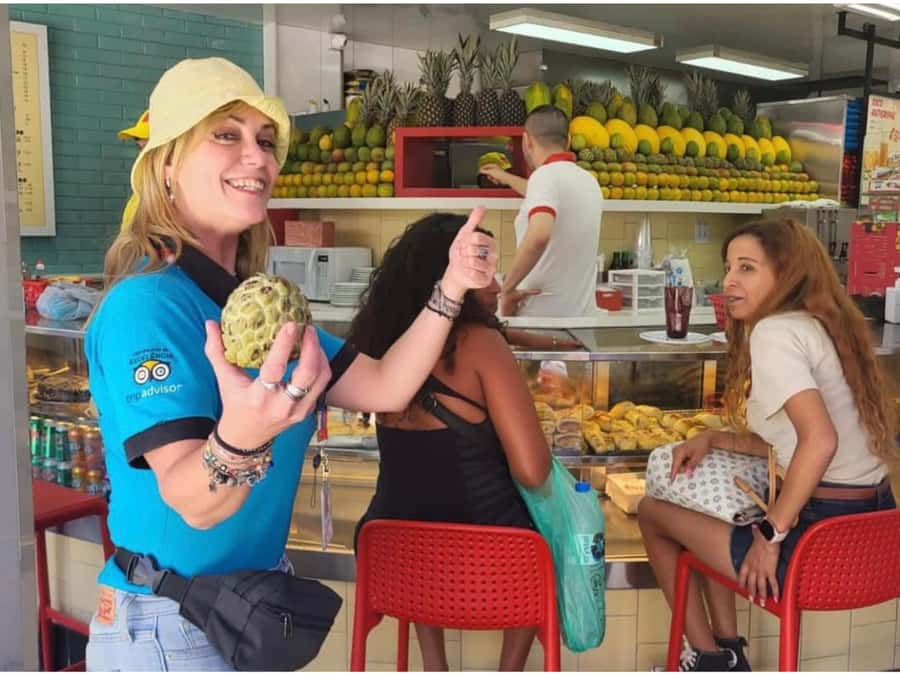
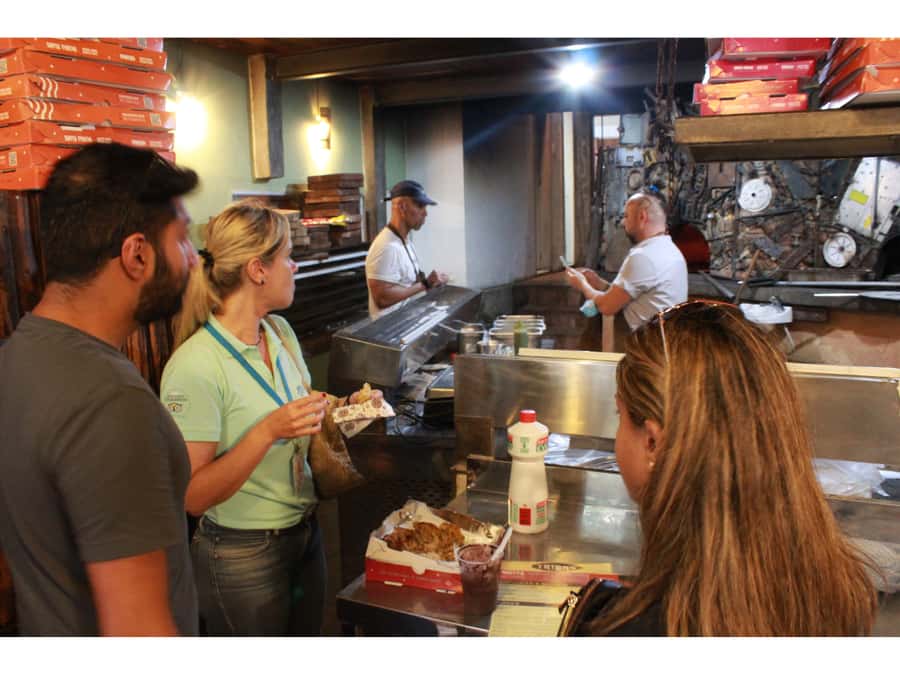
If you have a soft spot for sweets, Colombo confectionery is a centerpiece stop. The tour is built to help you lose yourself among sweets and salty snacks here, which is exactly how snack time often plays out in Rio, not as one dessert, but as a string of small hits.
What I like about this kind of stop is variety. Even if you’re not a big dessert person, there’s usually a salty companion to balance things out. Colombo is also the kind of place that makes sense to visit with a guide because you’re learning what you’re eating while you taste it, not hunting around trying to translate everything alone.
Bring your appetite. This is not the kind of tour where you snack lightly and then call it a day. The day is designed so you should arrive hungry and leave satisfied.
Traditional Brazilian bites: pão de queijo, coxinha, tapioca, and manioc flour
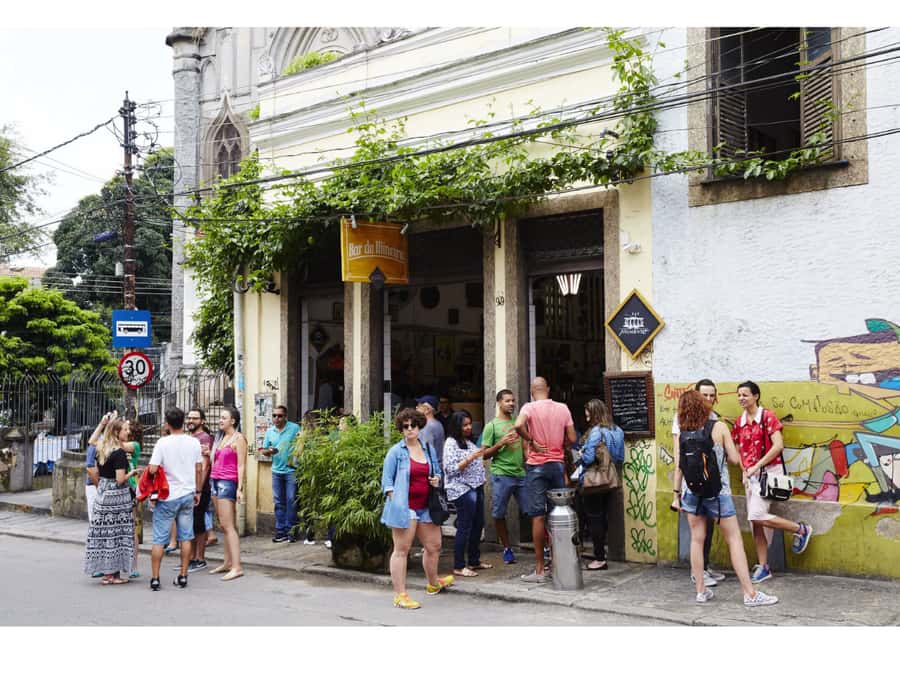
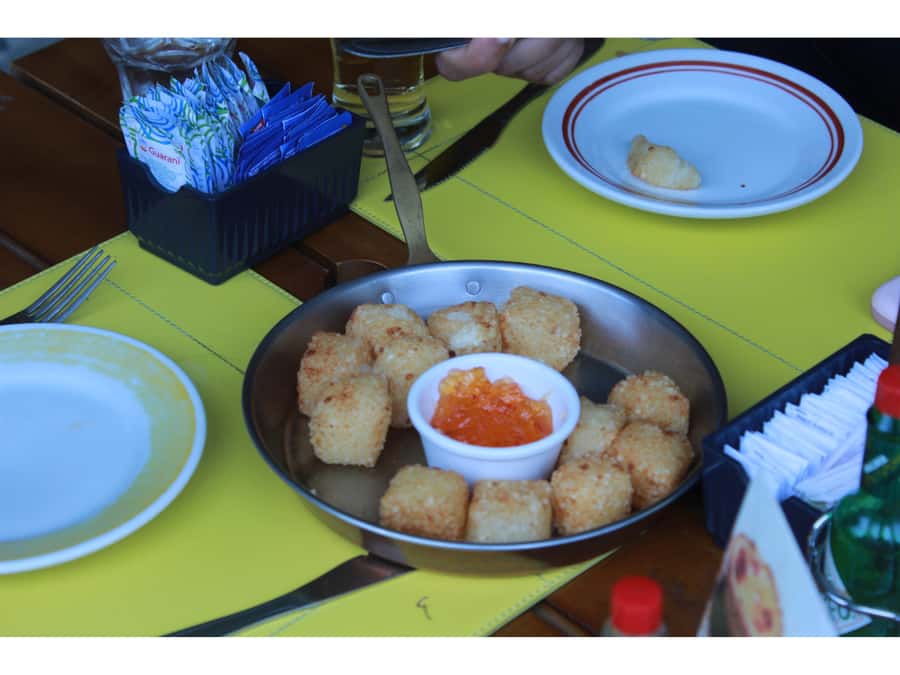
One of the best parts of the tour is that the tastings aren’t random. They point to core ingredients and popular street-and-home foods that show up across Brazilian cuisine.
Here are some of the standouts you can expect:
- Pão de queijo: those chewy, cheesy bites that seem simple until you taste how good fresh can be
- Coxinha: a savory favorite, often associated with comfort food and casual snack culture
- Ingredients like tapioca and manioc flour: staples that help explain why Brazilian food tastes the way it does
- You may also sample other local foods and snacks tied to each neighborhood’s food culture
A practical tip: eat slowly during the tastings. Some foods are richer than they look, and because you’re tasting repeatedly, you’ll feel better if you pace yourself. You don’t want to hit the final stops already full halfway through.
Cachaça, caipirinhas, and local beer, plus the stories behind them
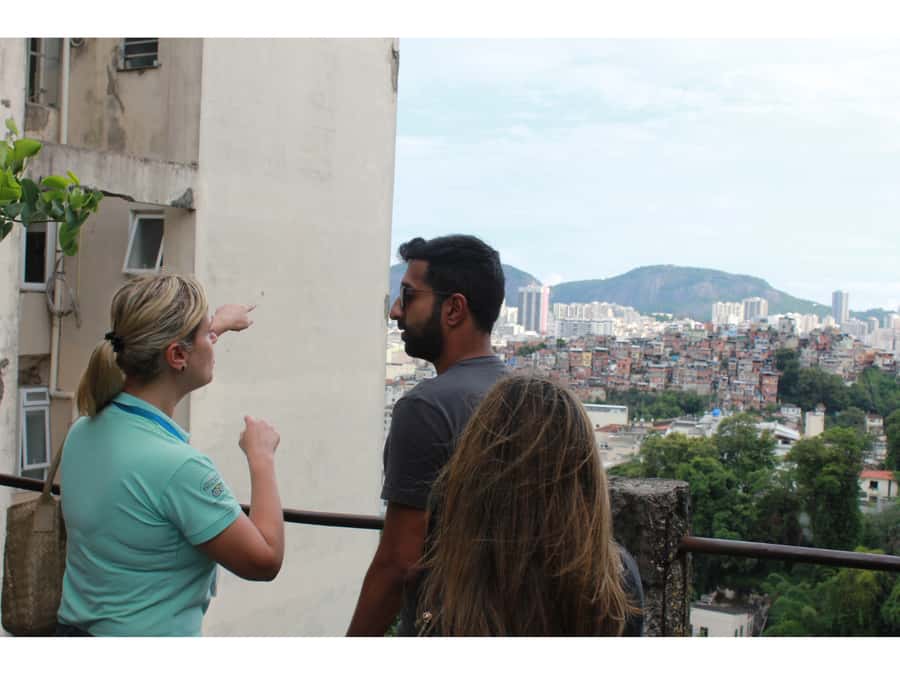
Food tastes better when you know why it exists. This tour doesn’t treat drinks as an afterthought. You’ll taste local beer and cachaça along the route, and you may also have classic Brazilian mixed drinks like caipirinhas depending on the day’s tastings.
The reason this matters is that alcohol and food in Brazil are tied to social life. The guide explains culture and history, including family traditions behind the food locales you visit. That guidance is especially useful with cachaça, since it’s one of those drinks that can feel intimidating if you don’t know how to order it, what to ask about, or what regional styles mean.
I also like that you’ll be able to ask questions. If you’re curious about ingredients, how foods are made, or why certain snacks show up where they do, this format gives you a real conversation instead of just tasting and moving on.
Santa Teresa and Lapa streets, bars, and the city in layers
Santa Teresa and Lapa aren’t just backdrops on this tour. The neighborhoods shape the day. The tour highlights both areas with their mix of local life, including trendy bars and restaurants, but it keeps the focus on street-level food and beverage culture.
Santa Teresa has a different mood than downtown, and you’ll feel it in the way the streets and food stops change. Lapa adds an energy that fits well with food and drink. As you move through these neighborhoods, it’s easier to understand why people treat certain snacks as part of everyday routine, not special occasions only.
If you like learning while you walk, this is a good match. The guide points out sights and ties them to the food history you’re tasting. That combination is what makes the tour more satisfying than a simple food crawl.
Pace, walking distance, and what to wear
The walking distance is about 1 mile, which is suitable for most fitness levels. Still, you’re out for 6 hours, so the key is comfort and timing.
For what to bring, the essentials are:
- Sunglasses
- Sun hat
- Comfortable clothes
- Outdoor clothing suited to warm weather
And for what not to bring: no luggage or large bags. Keep it light. If you need space for water, snacks you didn’t finish, and any small purchases, plan for a small day bag only.
If you’re visiting Rio in hot conditions, also plan hydration. The guide handles the tastings, but you’re still responsible for pacing your body between stops.
Price and value: what $198 gets you in Rio

At $198 per person for a 6-hour tour, the price is not low, but it is built for value. You’re not just paying for walking and sightseeing.
What you get includes:
- A professional guide
- Tastings and food samples
- A tram ticket
- Entrance fees
- A walking tour
When I look at value, I ask what the alternative would cost if you DIY’d it: buying multiple snacks and drinks in multiple neighborhoods, paying for tram transit, and trying to understand food culture without a local expert. Doing that on your own in Rio can add up quickly, especially once you factor in time and the hassle of figuring out where to go and what to order.
This tour also feels worth the spend because the tastings are tied to learning. You get more than taste, you get context, plus a guided route that links neighborhood changes to food traditions.
Who this tour is best for
This is a strong fit if you:
- Want Rio food history with a local expert, not just a list of items to eat
- Enjoy guided walking days that include neighborhoods like Santa Teresa and Lapa
- Like trying both snacks and drinks, including cachaça
- Prefer a moderate day where you’re not hiking up steep trails
It’s also a good choice if you’re the kind of traveler who likes to ask questions and get answers right in the moment, especially about ingredients and traditions behind Brazilian classics.
Guides you might get: Romayne and Camila
Based on real experiences, the energy of the guide can make this day. Romayne is described as high energy, a strong storyteller, and someone with relationships around the city that can make stops feel extra welcoming. Camila is described as personable, passionate, and focused on showing how Rio locals actually live and eat, even adding personal touches like sharing an apartment stop in one case.
Your exact guide can vary, but the common theme is clear: this is a storytelling food tour, and the guide is part of the main value.
FAQ
FAQ
How long is the Rio Culture and History through the Art of Traditional Foods tour?
It lasts 6 hours.
Where do I meet the guide and when does the tour start?
You check in at 10:30 am and the tour departs at 10:45 am. You meet the guide at the designated meeting point and should arrive at least 10 minutes early.
Is hotel pickup included?
No. Hotel pickup and drop-off are not included, so you’ll meet the guide at the meeting point.
What food and drinks are included in the tastings?
The tour includes tastings and food samples, such as pão de queijo and coxinha, and it also includes foods featuring traditional Brazilian elements like açai, tapioca, and manioc flour. Drinks include local beer and cachaça, and the tour also includes beverages like caipirinhas.
Is the tour mostly walking?
You’ll do a guided walking tour, and the distance walked is about 1 mile, suitable for most fitness levels. You’ll also ride a tram as part of the experience.
Are there any restrictions on bags or luggage?
Yes. Luggage or large bags are not allowed.
What is included in the tour price?
Included are a professional guide, tastings and food samples, a tram ticket, entrance fees, and the walking tour.
Should you book this Rio food and culture tour?
If you want a Rio day that connects food, neighborhoods, and city views, this is a smart booking. The biggest reason I’d say yes is the mix: you taste traditional staples, you hit a major sweet-and-snack stop at Colombo, you drink Brazilian favorites like cachaça, and you also get a memorable tram ride over the Lapa Arches aqueduct with panoramic views.
Book it if you’re hungry for more than random snacks. Skip it if you hate walking for a full half day, or if you only want museum-style sightseeing without the food-and-drink focus.
Old Rio De Janeiro, Walked Slowly






More Tour Reviews in Rio De Janeiro






Historical Tours, compared.
 ★ 4.4Historic Rio and Santa Teresa Half-Day TourFrom $47228 reviews
 ★ 4.9Little Africa Heritage Walking TourFrom $40177 reviews
 ★ 5.0Explore Little Africa : Unveiling Afro Heritage in Rio de JaneiroFrom $8297 reviews
 ★ 4.8Paraty: Historic Centre Walking Tour & Cachaça TastingFrom $1996 reviews
 ★ 5.0Learn the History of Rio with an Unforgettable City Center Walking TourFrom $4982 reviews
 ★ 4.5Rio’s city walking tour: a glimpse of history and olympic legacyFrom $6078 reviews
 ★ 4.5Olympic Boulevard, Museum of Tomorrow & Historical RioFrom $7266 reviews
 ★ 5.0Private walk tour of Paraty’s historical center – BY PARATY TOURSFrom $8049 reviews
Also filed under